Semi-dry mortar floor screed conveyor
2025-11-27 16:17:44
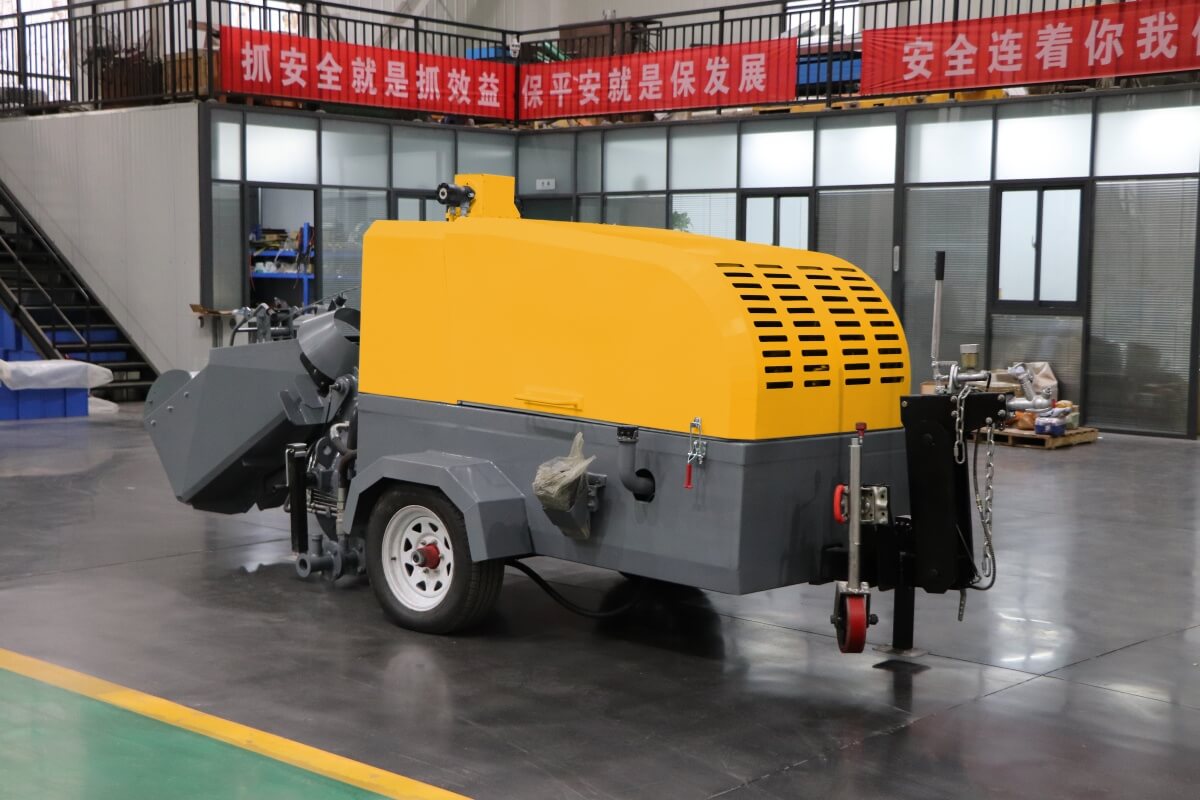
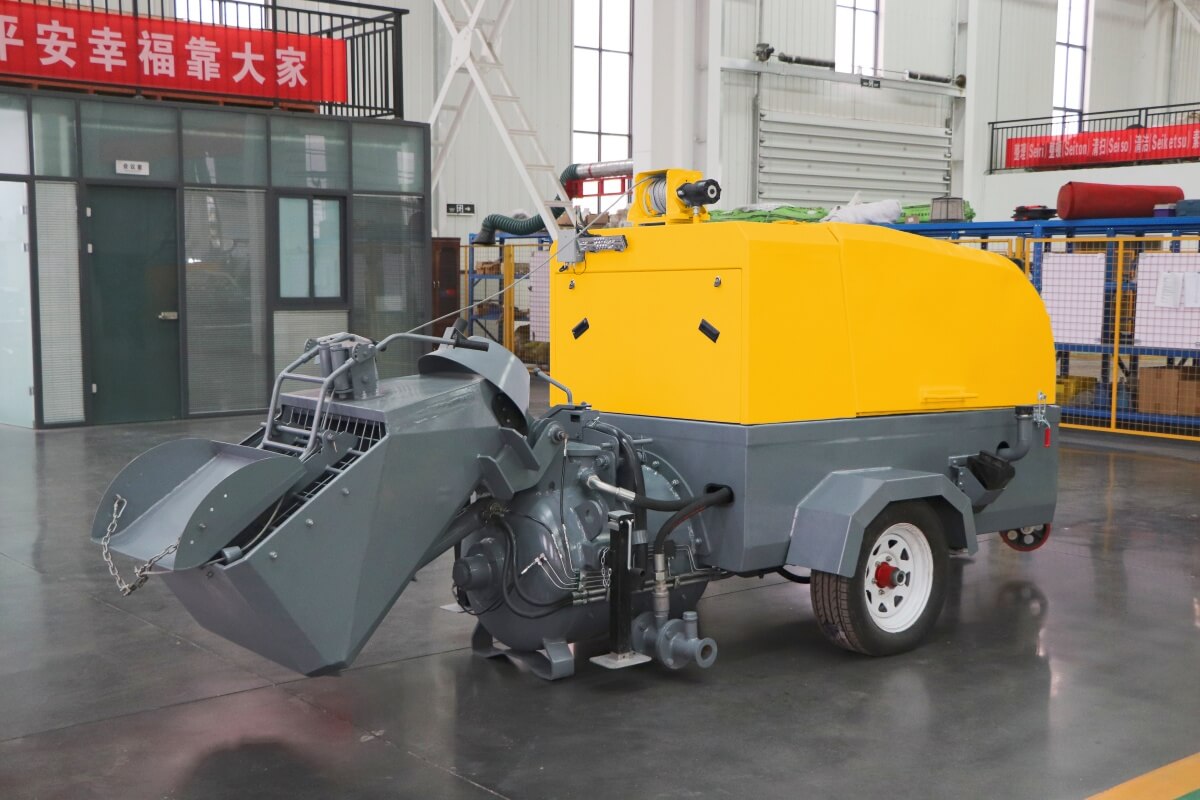
The core function of a semi-dry mortar floor screed conveyor is to achieve efficient and precise leveling of semi-dry mortar through a mechanical conveying and paving system.
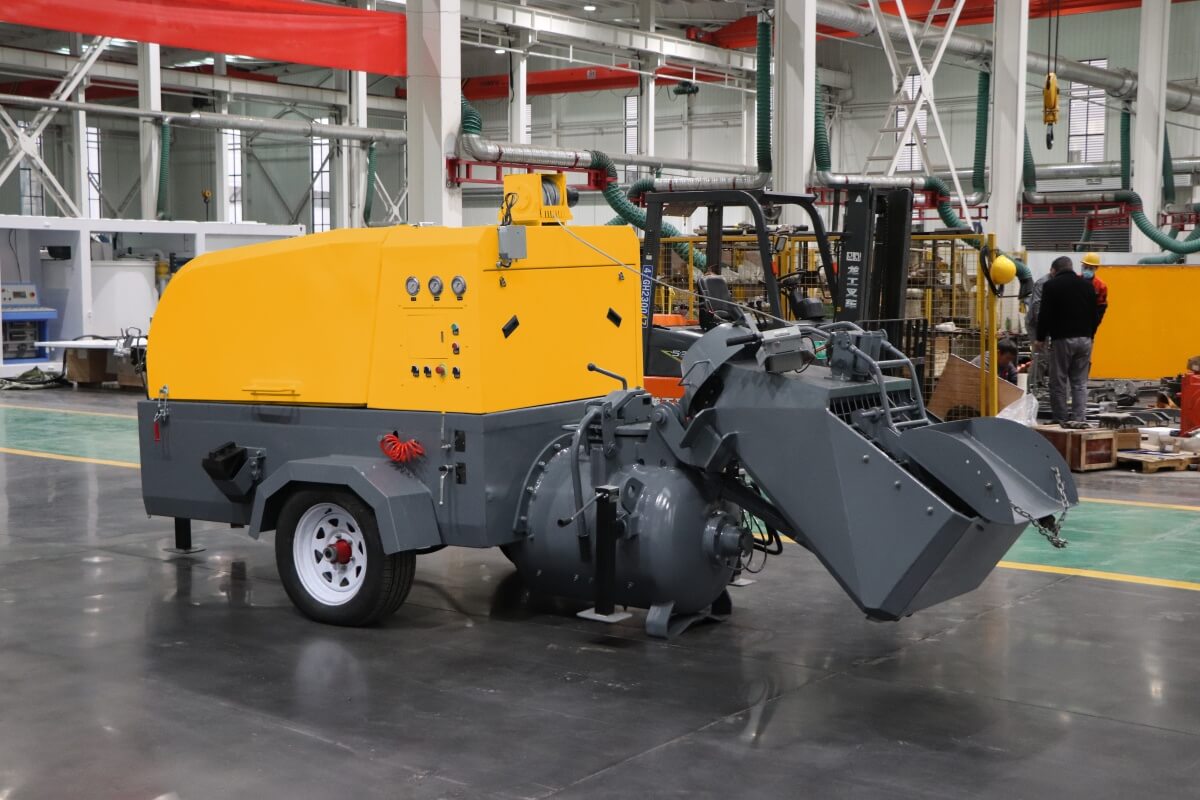
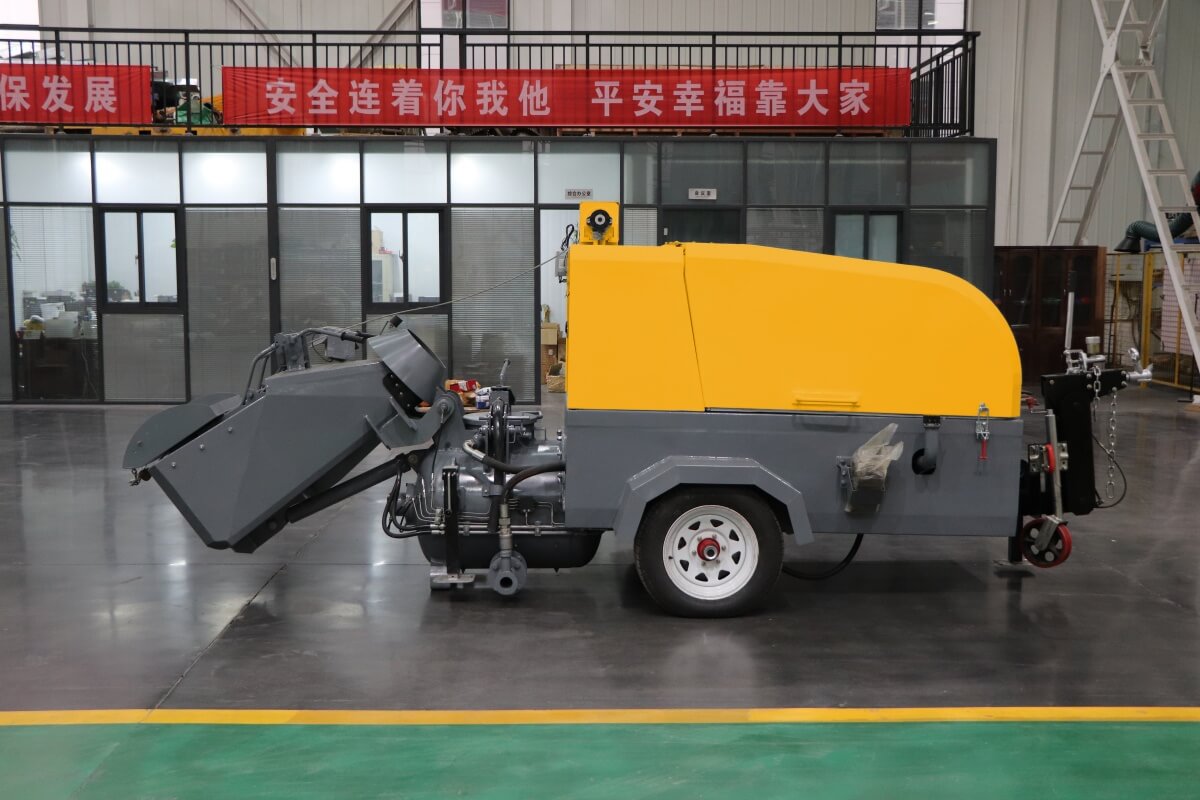
Semi-dry mortar is a floor screed material with low water content (typically only about 6% water), fast hardening speed, and low shrinkage. Its application needs to be completed quickly to avoid hardening failure. The semi-dry mortar floor screed conveyor achieves efficient construction through the following technologies: Equipped with a screw conveyor or belt conveyor, the semi-dry mortar is continuously transported from the storage silo to the paving area, avoiding material segregation or waste caused by manual handling. For example, one model uses an adjustable-flow screw conveyor, which dynamically adjusts the mortar supply according to the construction speed to ensure uniform paving. The mortar delivered to the paving area is initially leveled using a vibrating trowel or rotating trowel. The trowel angle (usually 10°~15° to the ground) and rotation speed are adjustable to accommodate different thicknesses (e.g., 1mm~50mm) and flatness requirements. Some high-end equipment integrates laser or ultrasonic leveling systems, achieving millimeter-level precision control. Addressing the rapid hardening of semi-dry mortar, the semi-dry mortar floor screed conveyor employs a lightweight structure and quick-assembly/disassembly design, shortening construction intervals.
1. Increased construction efficiency
Manual construction completes approximately 50~100㎡ per day, while mechanical construction can achieve 300~500㎡/day, increasing efficiency by 3~5 times. For example, in one project, leveling 2000㎡ of floor using a conveyor took only 4 days, while manual construction would have taken 15 days.
2. Stable Construction Quality
Mechanical paving eliminates thickness deviations caused by manual operation (human error is typically ±5mm, while mechanical error can be controlled within ±2mm), ensuring the flatness of the ground meets national standards.
3. Reduced Overall Costs
Although the initial investment in equipment is higher, in the long run, savings in labor costs (reducing labor by 50%~70%) and material waste (reducing mortar usage by 10%~15%) can cover equipment depreciation, resulting in an overall cost reduction of 20%~30%.
The Semi-Dry Mortar Floor Screed Conveyor is suitable for the following scenarios:
Residential Renovation: Leveling the base layer before laying indoor floor tiles, especially suitable for large open spaces (such as living rooms and bedrooms). It can work in conjunction with tile laying robots to achieve full automation of the "leveling-laying" process.
Commercial Flooring: For shopping malls, supermarkets, and other places requiring highly flat floors, the equipment can be used in conjunction with epoxy flooring construction processes to meet special requirements such as wear resistance and slip resistance.
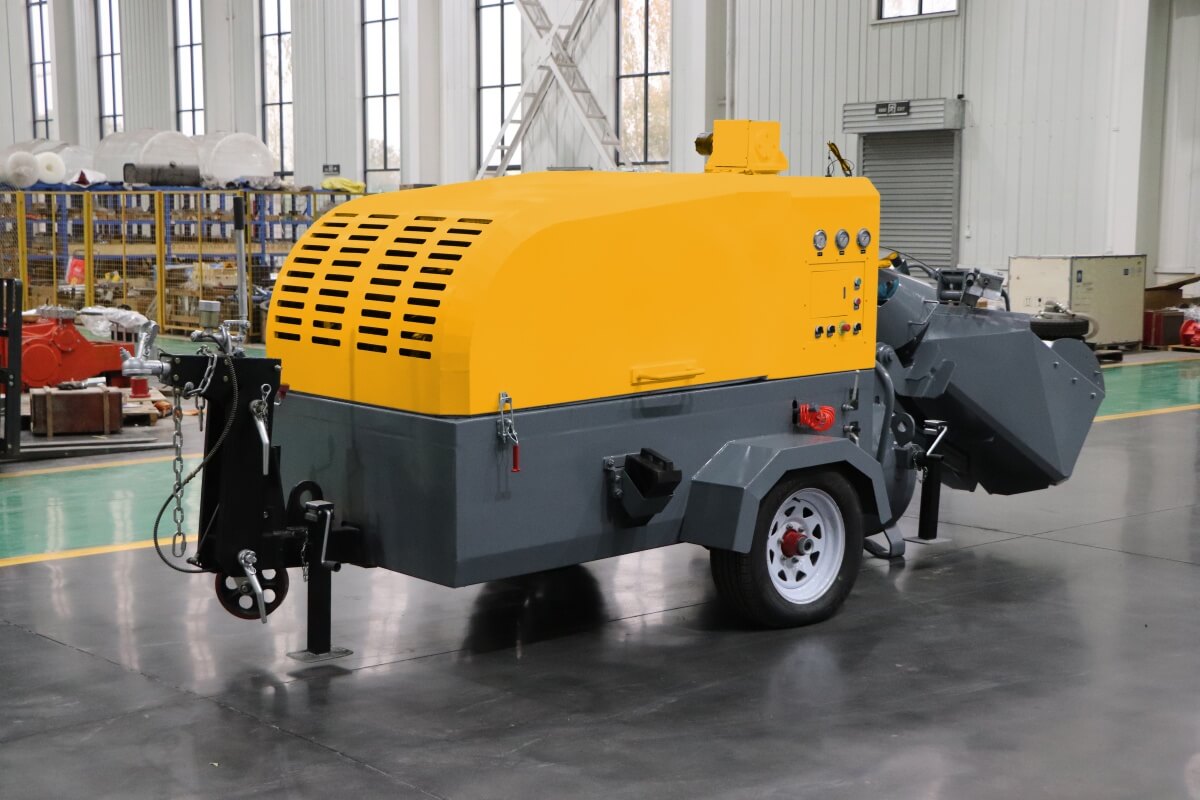
For industrial plants, warehouses, workshops, and other floors that need to withstand heavy loads, the high strength (compressive strength up to 20~30MPa) and low shrinkage of semi-dry mortar can effectively prevent floor cracking. The equipment can be used in conjunction with laser leveling machines to achieve seamless construction of ultra-large areas (such as single-layer floors of more than 10,000㎡).
 Phone/Wechat
 ADDRESS
 contacts


 +86-18538591025
 sales@leadcrete.com
 中文
中文 English
 Your Position:
  (Live chat)

.jpg)
.jpg)
 Whatsapp