 Phone/Wechat
+86-18538591025
 ADDRESS
Xisihuan Ring-Road East, Tielu, Xiliu Lake sub-district, Zhongyuan District, Zhengzhou, Henan China

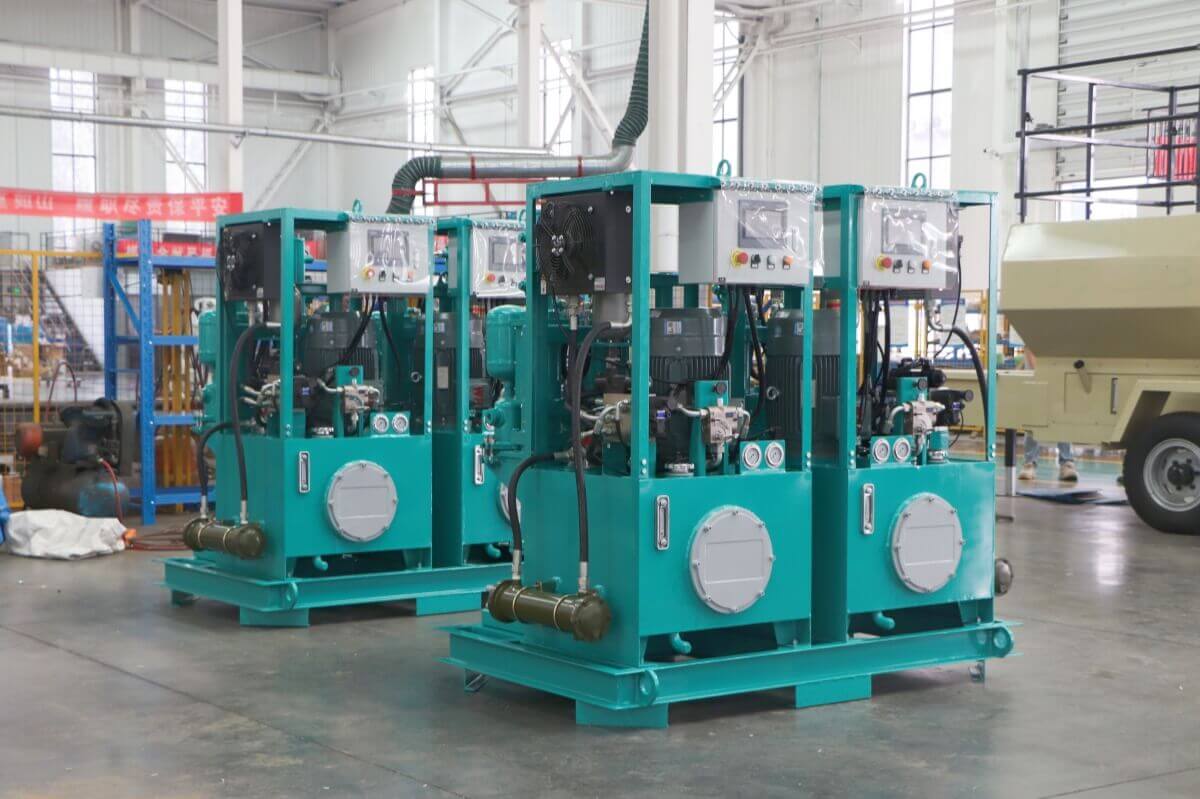
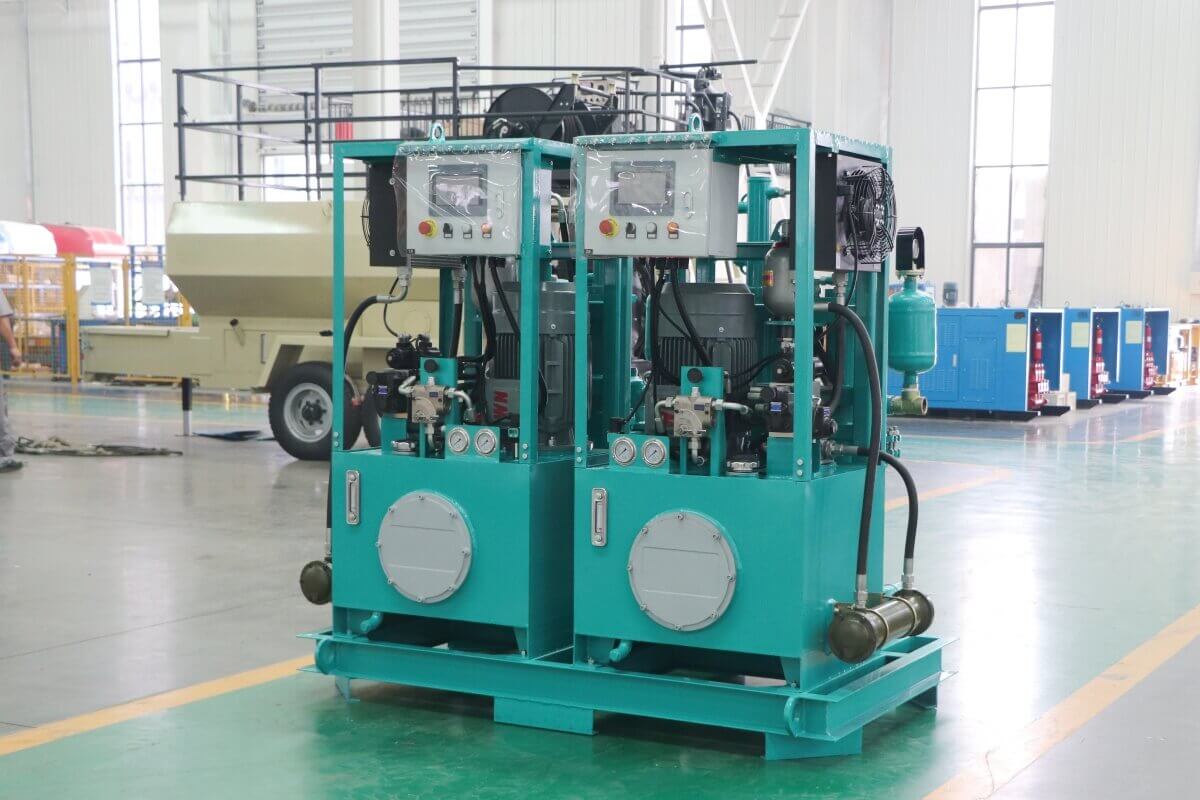
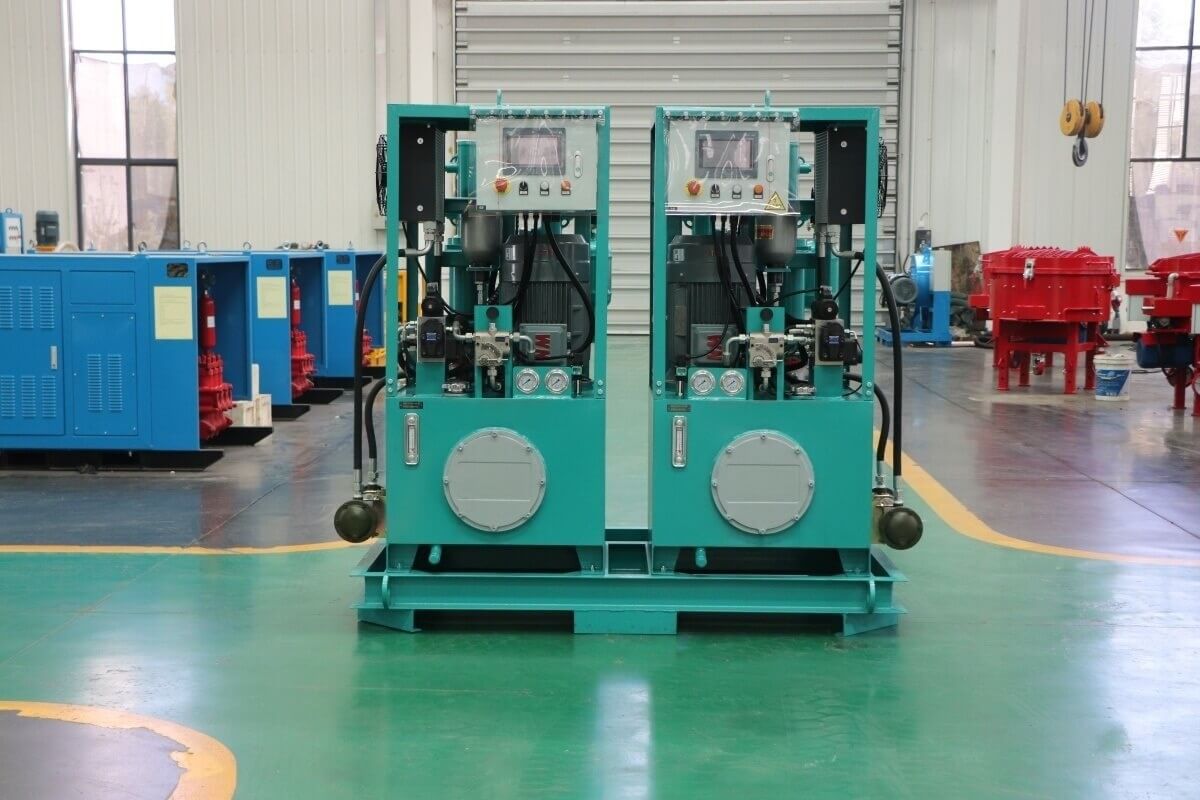
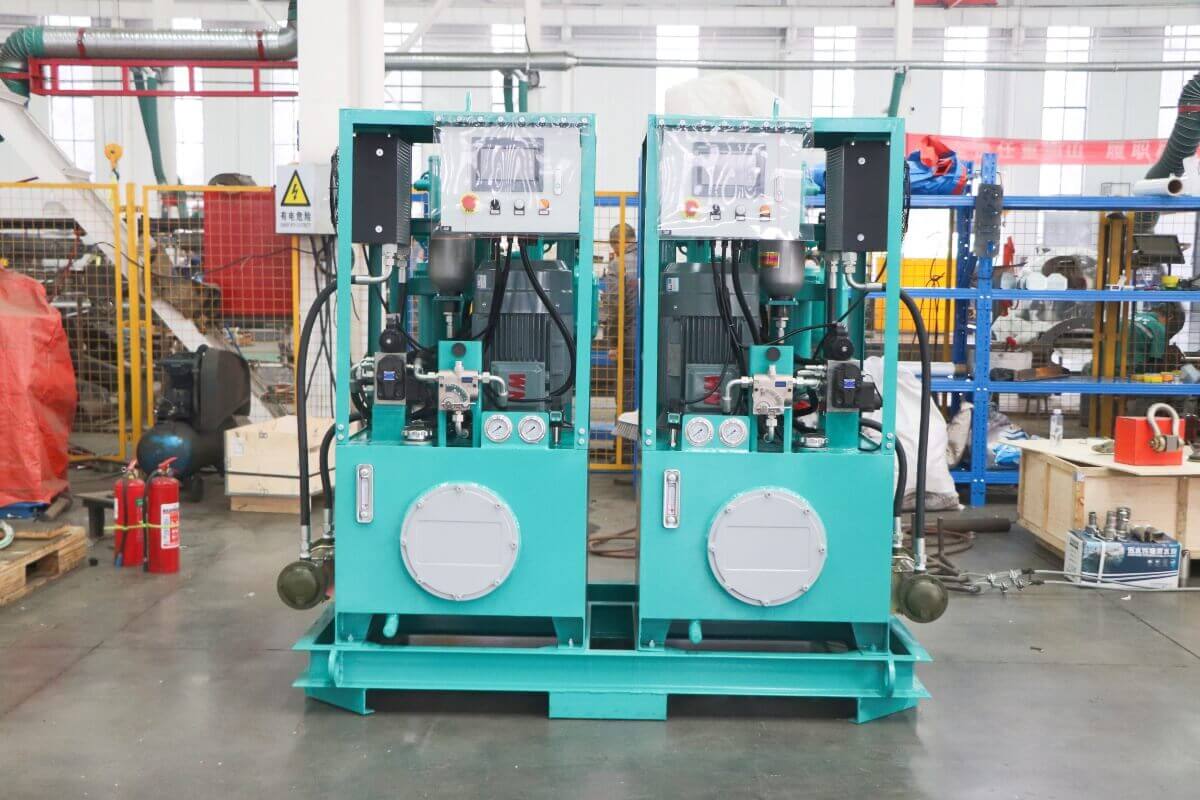
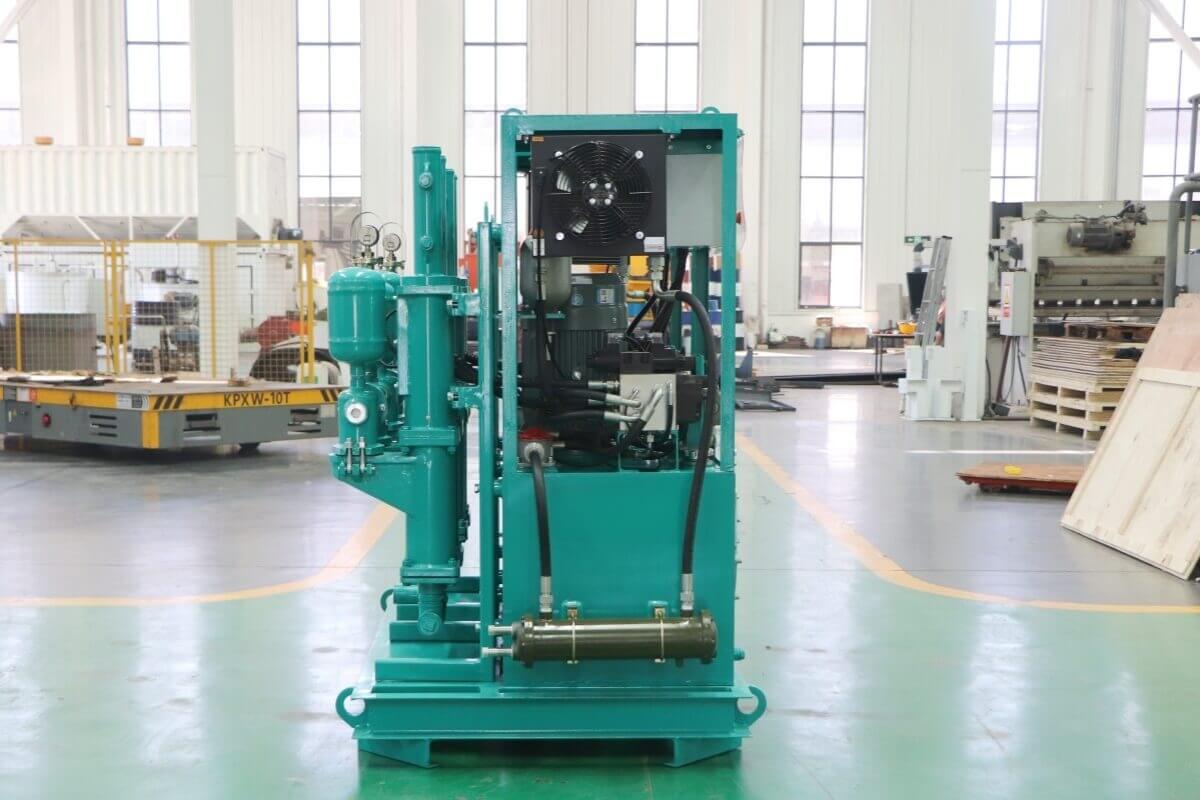
The double-plunger grout pump is a piece of hydraulic piston-type grouting equipment designed to transport suitable cement-based grouts and deliver them steadily to designated injection points. Operating parameters can be selected based on the grout properties, transport distance, and permissible injection pressure specific to each project. For pump stations featuring two pumps integrated onto a single base, piping and control configurations can be arranged to supply grout to different work sites or construction stages.
1. Foundation Treatment and Geotechnical Reinforcement
In foundation treatment projects, the hydraulic double-plunger grout pump delivers grout into pre-designed injection holes to fill underground voids or rock fissures and to improve geotechnical conditions in specific areas. During construction, delivery parameters must be adjusted according to the formation's grout absorption rate, while monitoring injection pressure, flow rate, and cumulative injection volume.
The ability of the grout to penetrate the formation depends on pore conditions, material fineness, and the mix design; it cannot be achieved simply by increasing pump pressure. For operations near existing structures, the injection process should be controlled in conjunction with deformation monitoring.
2. Tunnel Pre-grouting and Surrounding Rock Consolidation
Prior to tunnel excavation, grouting can be performed through pre-drilled holes to treat fissures and water-rich zones identified during site investigation. The twin-plunger grout pump delivers the appropriate grout into the holes, working in tandem with hole-sealing devices to execute staged or sequential injection.
Such operations typically involve long delivery pipelines, site space constraints, and limitations regarding the grout's working time. Equipment selection must account for pipeline pressure loss at the actual flow rate to ensure the pump discharge pressure matches the pressure required at the borehole collar.
3. Back-of-Lining Filling and Leakage Remediation
Voids behind the tunnel lining identified during inspection can be filled using suitable grout. The dual-plunger grout pump provides adjustable delivery according to the construction plan, operating in coordination with injection holes, vent holes, and observation points.
Leakage remediation requires identifying water flow paths before determining the materials and injection sequence. If fast-setting two-component grouts or chemical materials are used, the compatibility of pump seals, valves, split-flow delivery systems, and mixing configurations must be verified individually; suitability cannot be determined solely based on the pump's dual-acting mechanism. 4. Post-Grouting at Pile Bases and Shafts
In bridge and building pile foundation projects, grout can be delivered to designated locations at the pile base or along the shaft via pre-installed grouting pipes. The duplex plunger grout pump used must match the flow rate, pressure, and grouting sequence specified in the design, allowing for adjustments to grout supply based on real-time site feedback.
Deep pile construction also requires consideration of elevation differences, grout hydrostatic pressure, and pipeline resistance. Pump discharge pressure is not equivalent to the pressure at the injection point; equipment selection and construction control should be based on project design specifications and on-site monitoring data.
5. Grouting for Rock Bolts, Anchors, and Soil Nails
In slope stabilization, excavation shoring, and rock anchoring operations, a plunger-type grout pump can be used to deliver cement grout into anchor holes, filling the annular space around the rod or steel strand. Appropriate grout supply capacity must be selected based on hole depth, inclination angle, and delivery distance.
If a secondary grouting process is employed, the piping, sealing conditions, and pressure requirements must be verified. Grout preparation, air venting, and grout return monitoring should be integral parts of construction control to avoid relying solely on pump pressure to assess filling effectiveness.
6. Dam Curtain Grouting and Rock Mass Consolidation
Curtain grouting and consolidation grouting in hydraulic engineering projects typically require operations to be conducted according to specified hole sequences, stage lengths, and pressures. A hydraulic grouting pump can meet the supply requirements of various construction stages, delivering grout to designated rock mass zones.
These applications prioritize the recording of pressure, injection volume, and duration. If the project requires automatic data logging or closed-loop control, the specifications for instruments, sensors, and control systems should be clearly defined during procurement.
7. Filling of Underground Voids and Abandoned Structures
For underground cavities, abandoned pipelines, and enclosed chambers with defined boundaries, a hydraulic cement grout pump can deliver suitable cement-based fill materials. Prior to construction, parameters such as fill volume, material fluidity, air venting paths, and allowable pressure must be established.
Filling efficiency for large voids is primarily determined by effective output and continuous supply capacity rather than high pressure. Pumps designed for fine-particle grout cannot be used for fill materials containing large aggregates; the material particle size must be compatible with the pump's passage capability. 8. On-site Application of Integrated Dual-Pump Grouting Stations
Duplex grout pump systems are typically suitable for projects requiring centralized grouting equipment setups. Depending on the specific piping and control design, configurations such as zone-based supply, alternating operation, or standby pump arrangements can be implemented to facilitate multi-stage construction.
If simultaneous operation, shared-line output, or the delivery of different types of grout is required, factors such as power supply capacity, valve manifold arrangements, backflow prevention measures, and flushing procedures must be determined in advance. The total output capacity of the integrated dual-pump unit should be verified based on the specific operating pressure and mode of operation.
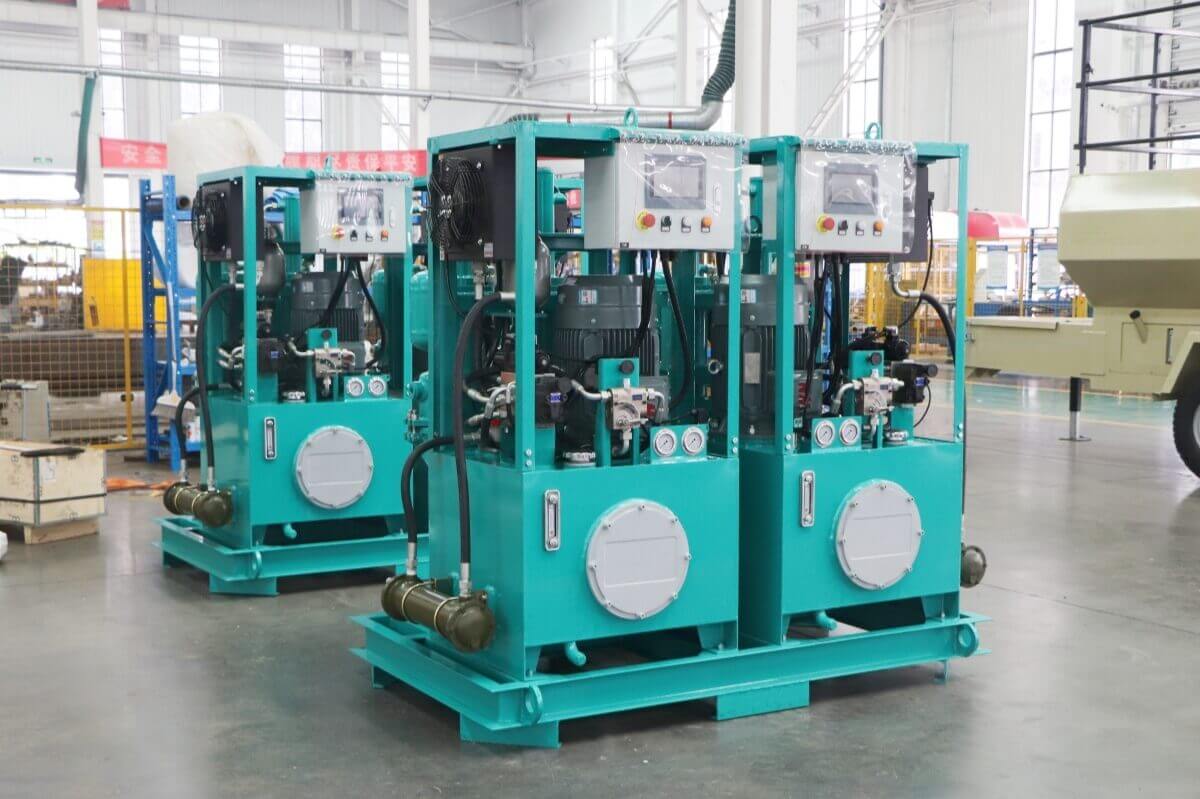
Lead Equipment is a professional manufacturer and supplier of double-plunger grout pumps, boasting extensive experience in equipment manufacturing and customization. We invite you to contact us with details regarding your project type, grout mix design, required flow rate, operating pressure, and delivery distance; we will provide a configuration proposal and quotation for a hydraulic double-acting plunger grout pump tailored to your site requirements. Contact email: sales@leadcrete.com
Pre:High pressure hydraulic grout pump for sale
Next:Grout injection plant for foundation grouting and anchor bolts
 contacts
email:
sales@leadcrete.com
Phone/WhatsApp/Wechat:
86-18538591025
Import&Export Dept.:
86-371-63902781
fax:
86-371-63526676
address:
Xisihuan Ring-Road East, Tielu, Xiliu Lake sub-district, Zhongyuan District, Zhengzhou, Henan
China
Solution

Talking about the outstanding features of cast-in-place foam concrete

Cast-in-place foam concrete is a new type of engineering field material developed in recent years; it has the characteristics of light weight, good fluidity, strong durability, low cost and simple construction.
What’s the purpose of grouting?
The purpose or aims of grouting includes: 1. Seepage control; 2. Water plugging, 3. The consolidation; 4. To prevent landslide; 5. To reduce surface subsidence; 6. Improve the foundation bearing capacity; 7. Backfill; 8. Reinforcement.


 get in touch
Copyright Notice © 2014 Zhengzhou Lead Equipment Co.,Ltd. All rights reserved.Site Index Product Index
 +86-18538591025
 sales@leadcrete.com
 中文
中文 English
 Your Position:
  (Live chat)

.jpg)
.jpg)
 Whatsapp