 Phone/Wechat
+86-18538591025
 ADDRESS
Xisihuan Ring-Road East, Tielu, Xiliu Lake sub-district, Zhongyuan District, Zhengzhou, Henan China

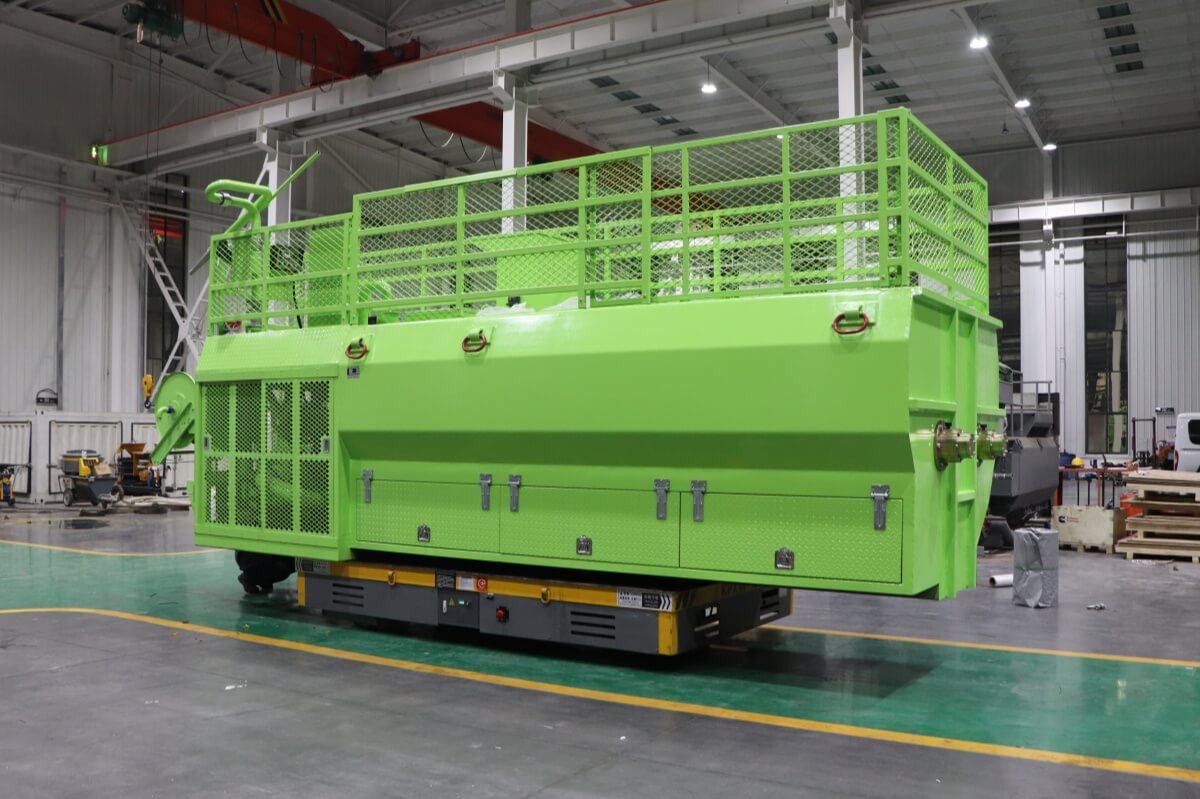
Highway greening is a vital component of transportation infrastructure, offering core benefits such as ecological protection (curbing slope erosion and improving the environment), enhanced driving safety (reducing glare and alleviating driver fatigue), and landscape beautification. Due to its high efficiency and cost-effectiveness, spray seeding technology has become the mainstream solution for highway greening. As the core equipment, the application quality of hydroseeding machines directly determines the efficiency, effectiveness, and sustainability of greening projects.
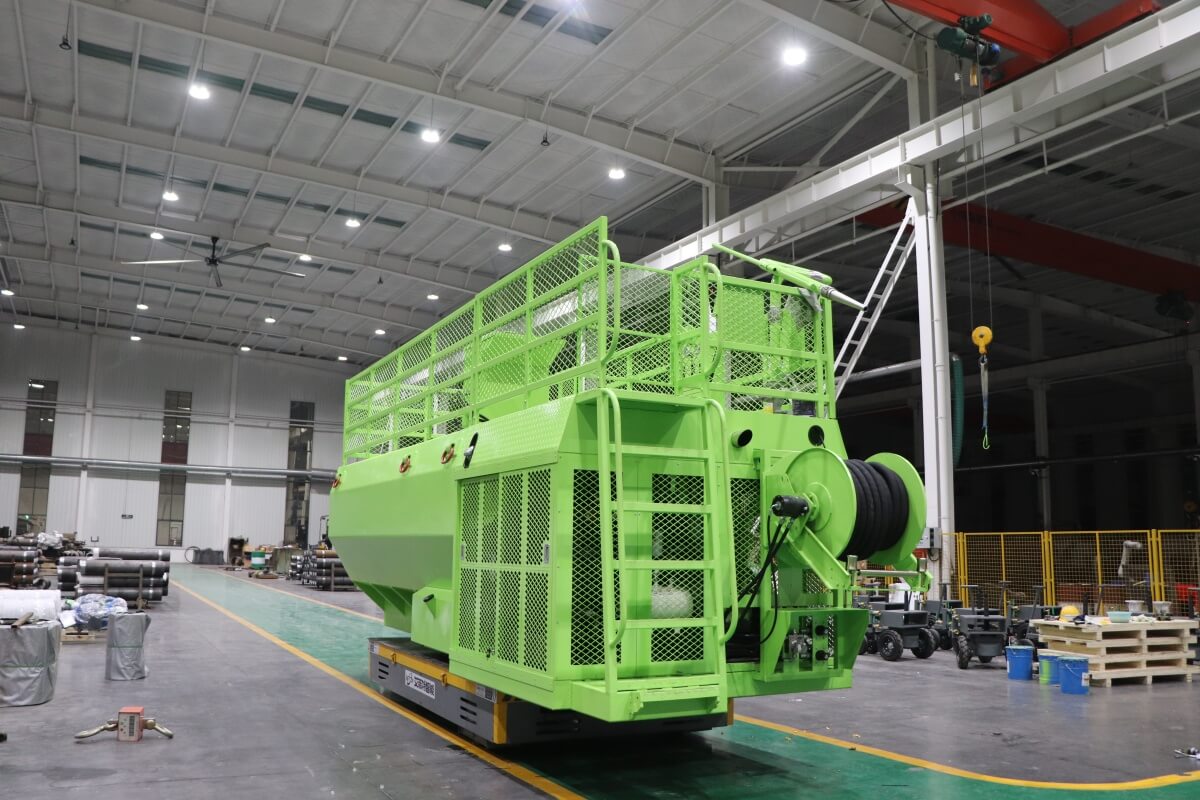
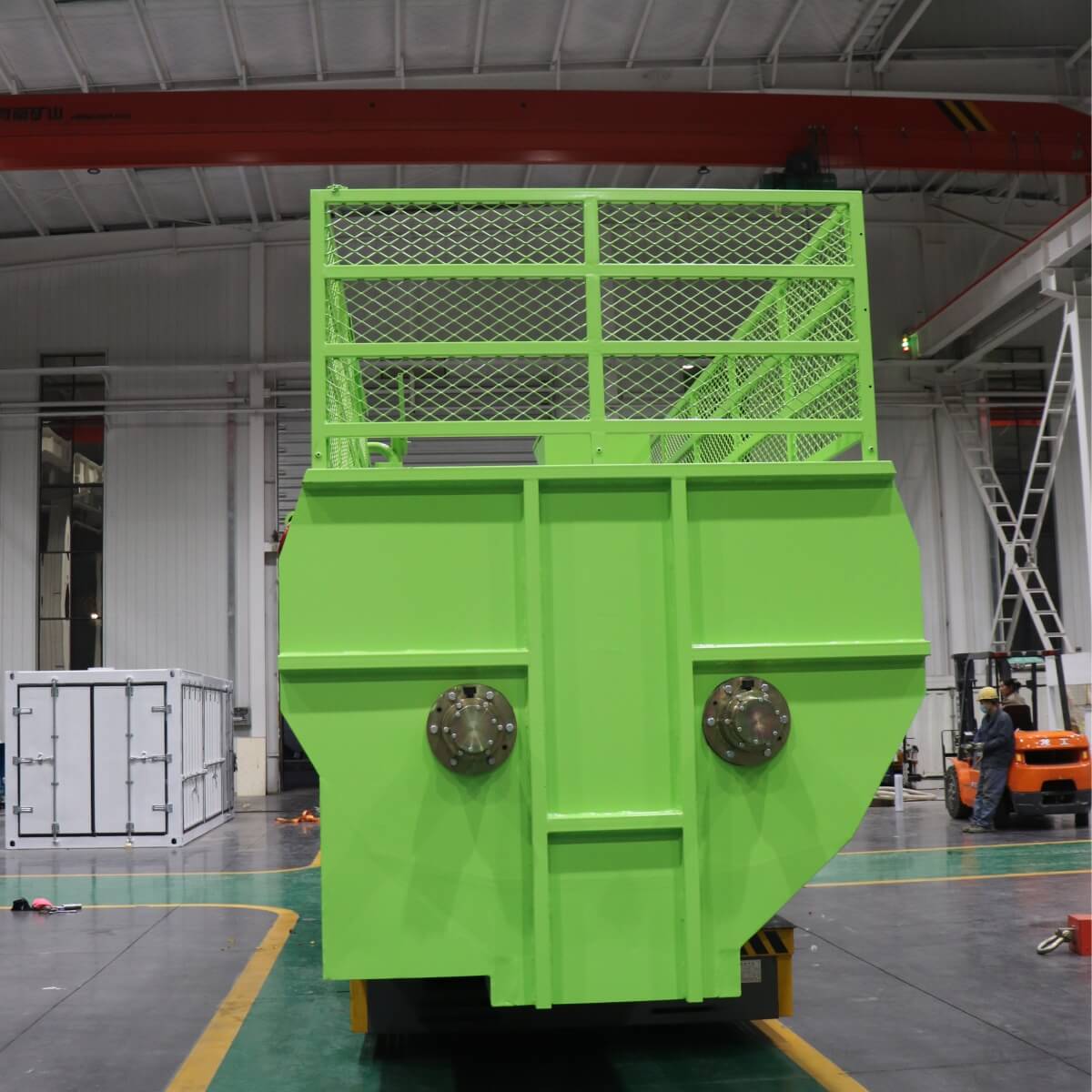
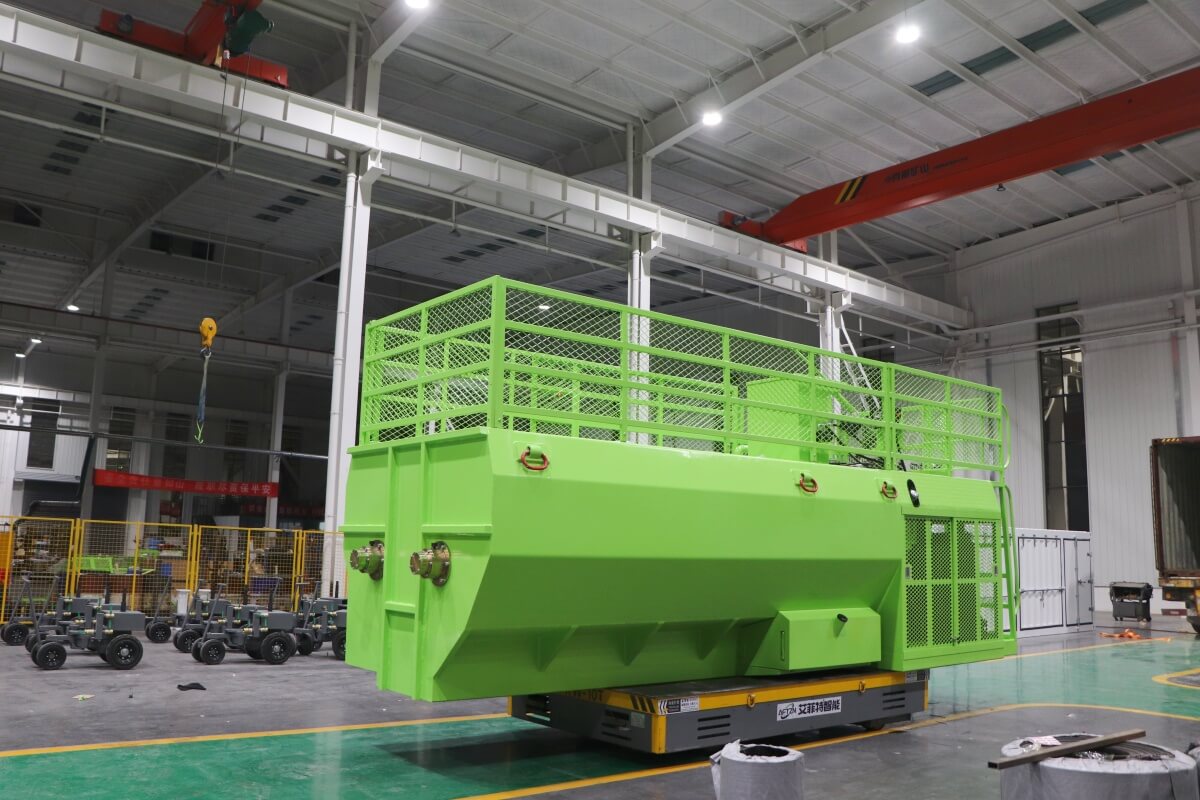
A hydroseeding machine is specialized equipment designed for greening construction. Its core function is to mix seeds, mulch, fertilizers, water, and various additives into a uniform slurry mixture (known as spray slurry). In highway greening scenarios, its core principle involves using a high-pressure pump to spray this uniformly mixed slurry onto road slopes, shoulders, and other areas requiring greening. This process ensures seeds are tightly bonded with soil and nutrients, creating a stable and suitable environment for seed germination and seedling growth. Hydroseeding machines tailored for highway greening primarily consist of four core components: a storage tank, a mixing device, a high-pressure pump, and a spraying system. The storage tank holds the mixed materials, ensuring continuous operation. The mixing device guarantees uniform blending, preventing sedimentation of seeds and fertilizers. The high-pressure pump delivers stable pressure, ensuring adequate spray coverage and density. The spraying system allows flexible adjustment of angle and flow rate to adapt to different sections of the highway, ensuring consistent greening results.
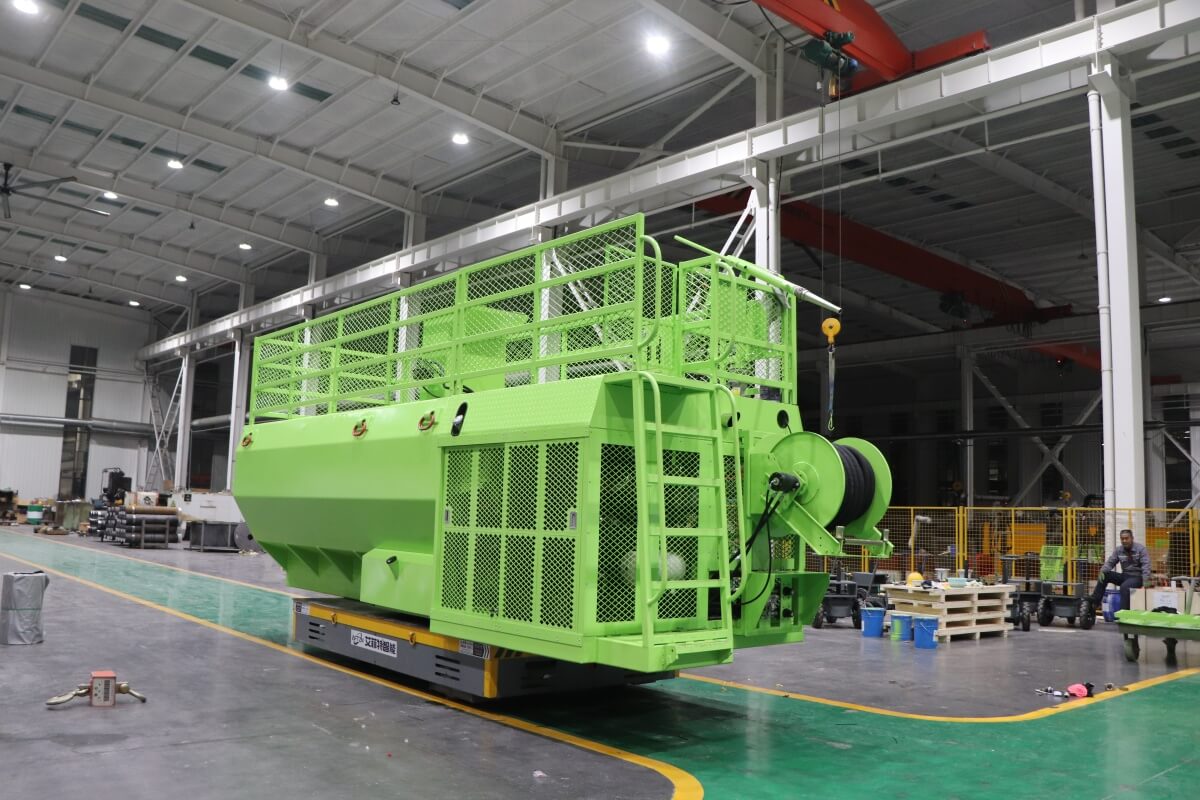
Hydroseeding machines are widely adopted in highway greening due to five key advantages: First, high efficiency and broad coverage align with highways' linear extensions and vast areas, significantly reducing project duration and labor costs. Second, strong adaptability handles complex environments like steep slopes and poor soils. Third, rapid germination and stable vegetation: scientifically formulated slurry mixtures enhance seed survival rates and reinforce slope stability. Fourth, cost-effectiveness: compared to traditional sod laying, it offers lower construction and maintenance costs with significant overall benefits. Fifth, environmental sustainability: it minimizes soil disturbance, protects native ecosystems, and aligns with sustainable construction requirements.
The highway greening spray seeding process comprises four core phases: First, pre-construction preparation involves clearing debris, leveling soil, and conducting soil testing to target fertility and aeration improvements. Second, slurry preparation entails selecting seeds based on climate and soil conditions, scientifically blending cover crops, slow-release fertilizers, and binders before thorough mixing. Third, spray application: Adjust spray angles and pressure by zone, apply in layers for uniform coverage, and increase binder for enhanced adhesion on slopes. Fourth, post-application maintenance: Implement proper irrigation, weed removal, and protective measures to safeguard seedling growth in traffic environments.
In summary, hydroseeding machines have become essential equipment for highway greening projects due to their core advantages of high efficiency, strong adaptability, and economic environmental friendliness. They play an irreplaceable role in enhancing greening efficiency, ensuring greening quality, and reducing overall costs. Against the backdrop of deepening sustainable transportation concepts, hydroseeding machines are not merely “tools” for highway greening construction but also crucial enablers for advancing highway ecological development. For highway construction enterprises and landscaping contractors, selecting professionally tailored hydroseeding machines and scientifically designed spray schemes is key to achieving efficient, high-quality, and sustainable highway greening. In the future, with technological advancements, hydroseeding machines will demonstrate broader application prospects in highway greening, providing stronger guarantees for building “green highways” and “ecological highways.”
Q1: How long does it take for seeds to germinate after highway spray seeding?
A: Under suitable temperature (15-25°C) and humidity conditions, seeds typically germinate within 7-15 days. In cold or dry climates, germination may extend to 20-30 days. Adding insulating and moisture-retaining coverings can shorten the germination period.
Q2: Can hydroseeding machines be used for highway greening in cold regions? A: Yes. Select cold-resistant hydroseeding machines paired with drought-tolerant seeds (e.g., Kentucky bluegrass, alfalfa). Incorporate insulating cover materials and antifreeze agents into the slurry mixture. Opt for spring construction after the winter freeze-thaw cycle to enhance survival rates.
Q3: How does spray seeding technology differ from traditional sod laying in highway greening? A: The core differences lie in efficiency, cost, and adaptability: Spray seeding offers high construction efficiency, wide coverage, low cost, and suitability for complex terrains. Traditional sod laying provides quick results but involves high costs, cumbersome construction, difficulty adapting to steep slopes, and high maintenance expenses.
Q4: How should hydroseeding machines be maintained for long-term highway construction use?
A: Focus on daily cleaning and periodic inspections: Promptly clean material tanks and spray lines after use to prevent residue buildup. Regularly inspect the power system, high-pressure pump, and seals, replacing worn components promptly. During storage, implement moisture, sun, and freeze protection to prevent equipment deterioration.
Q5: Which seeds are suitable for highway greening spray applications? Answer: Prioritize hardy native grass species (e.g., Bermuda grass, Zoysia grass) that adapt well to local climate and soil, offering high survival rates and low maintenance costs. For enhanced landscaping, incorporate appropriate perennial flowers (e.g., cosmos, black-eyed Susans). In high-altitude or cold regions, choose cold-tolerant grasses; in arid areas, select drought-resistant varieties.
 contacts
email:
sales@leadcrete.com
Phone/WhatsApp/Wechat:
86-18538591025
Import&Export Dept.:
86-371-63902781
fax:
86-371-63526676
address:
Xisihuan Ring-Road East, Tielu, Xiliu Lake sub-district, Zhongyuan District, Zhengzhou, Henan
China
Solution

Talking about the outstanding features of cast-in-place foam concrete

Cast-in-place foam concrete is a new type of engineering field material developed in recent years; it has the characteristics of light weight, good fluidity, strong durability, low cost and simple construction.
What’s the purpose of grouting?
The purpose or aims of grouting includes: 1. Seepage control; 2. Water plugging, 3. The consolidation; 4. To prevent landslide; 5. To reduce surface subsidence; 6. Improve the foundation bearing capacity; 7. Backfill; 8. Reinforcement.


 get in touch
Copyright Notice © 2014 Zhengzhou Lead Equipment Co.,Ltd. All rights reserved.Site Index Product Index
 +86-18538591025
 sales@leadcrete.com
 中文
中文 English
 Your Position:
  (Live chat)

.jpg)
.jpg)
 Whatsapp