High-pressure Grouting Pump for Ground Improvement
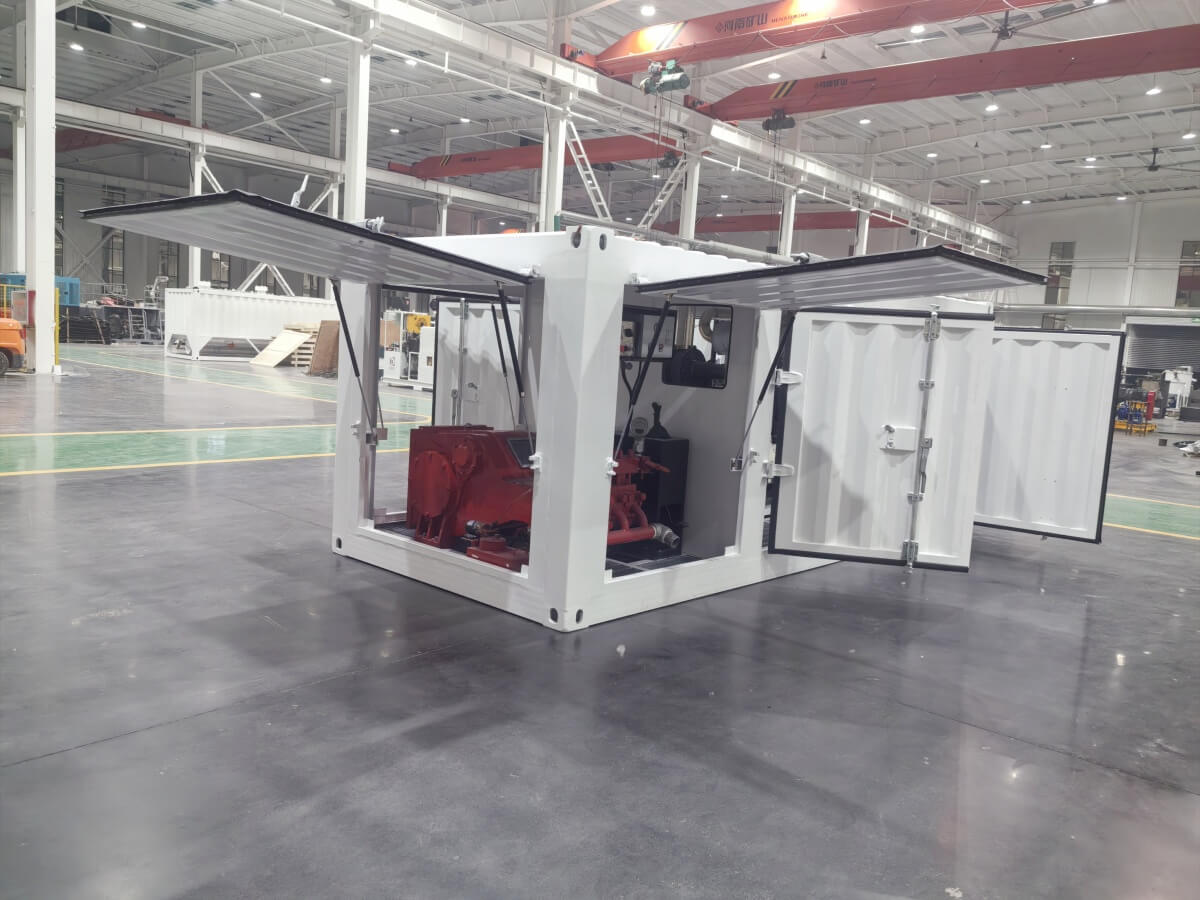
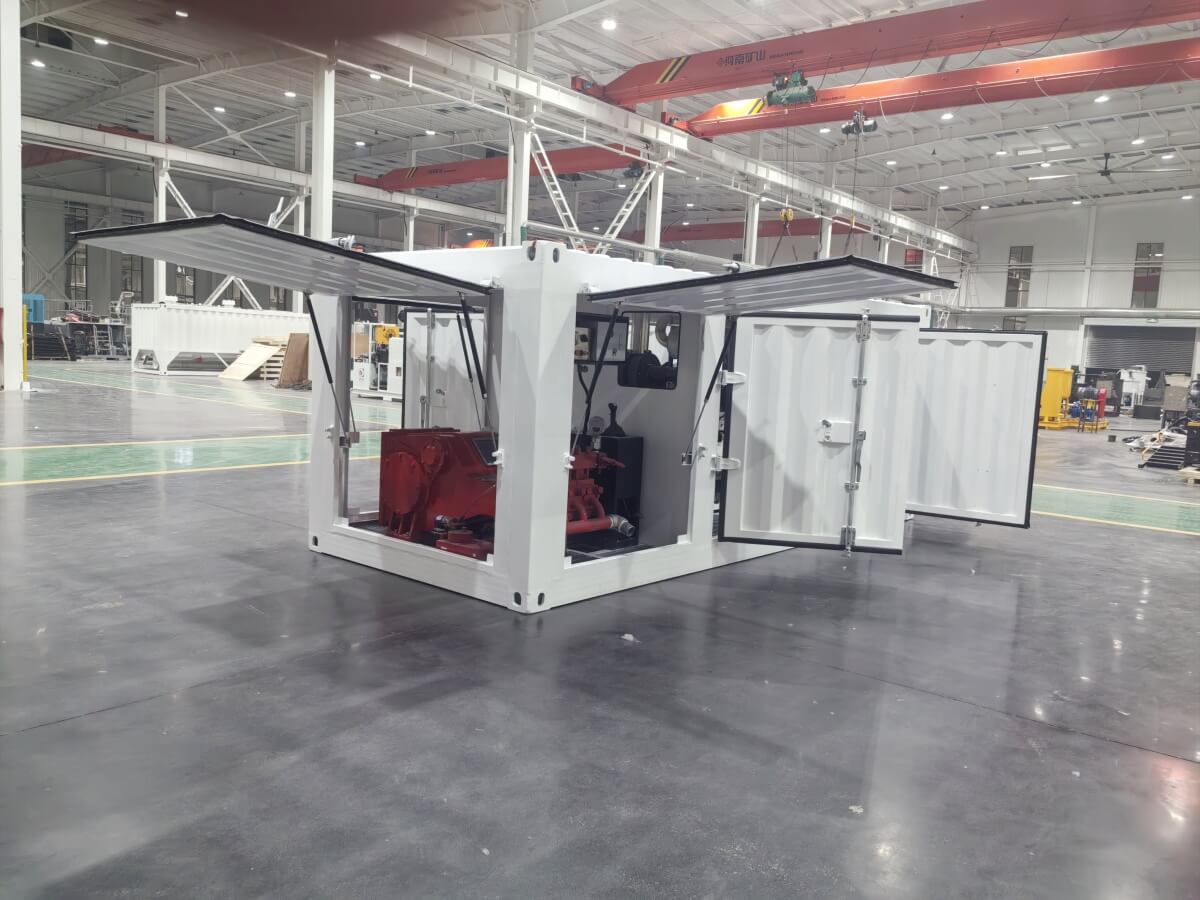
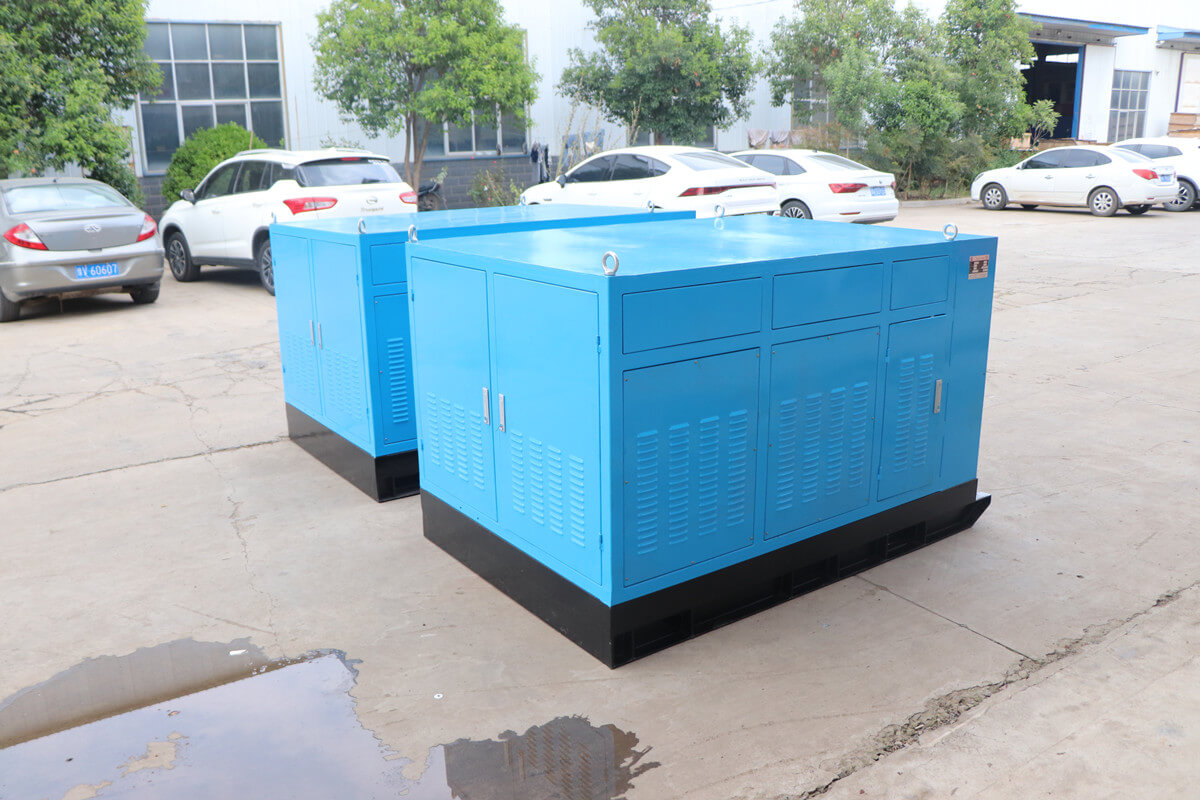
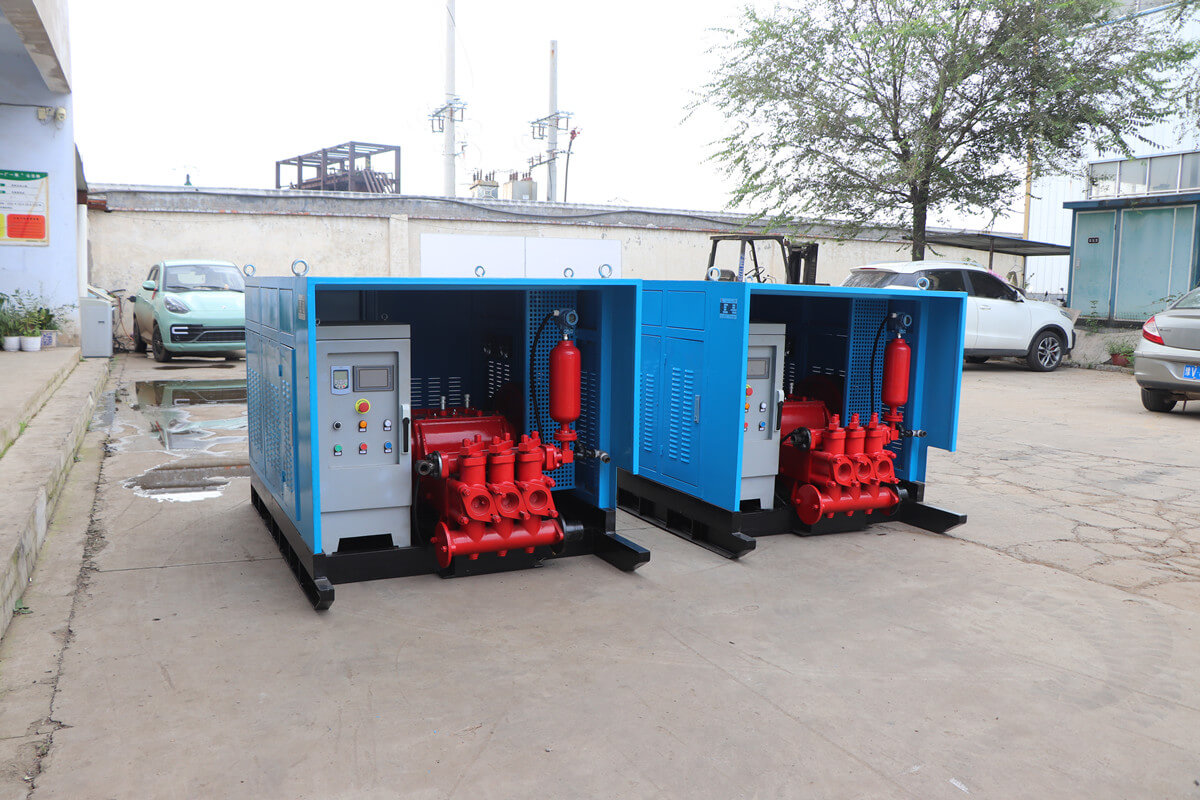
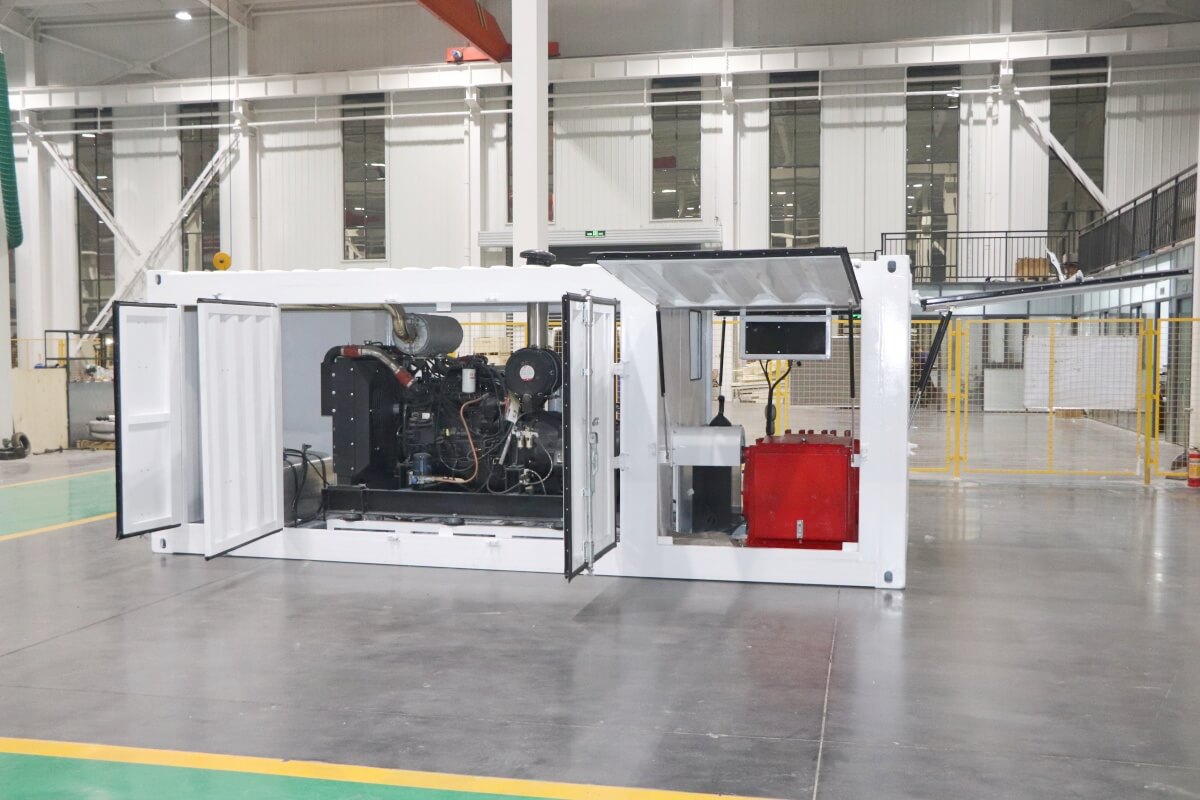
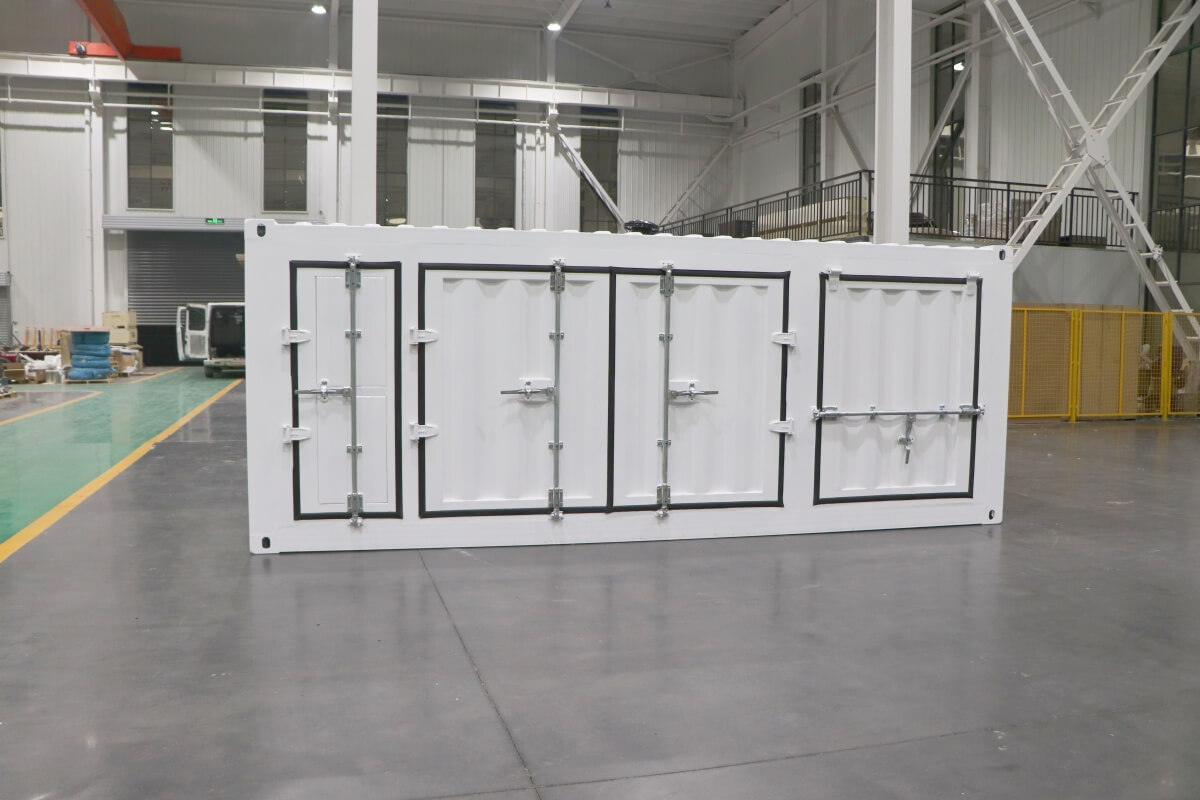
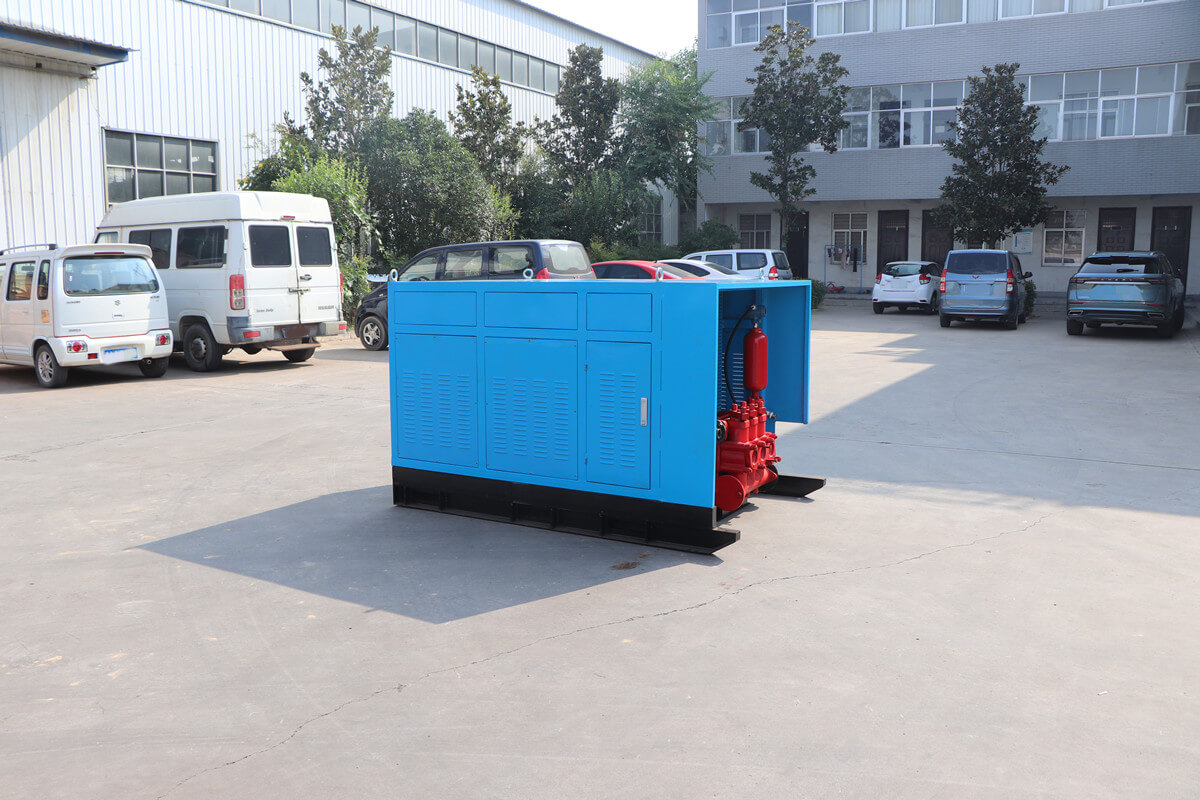
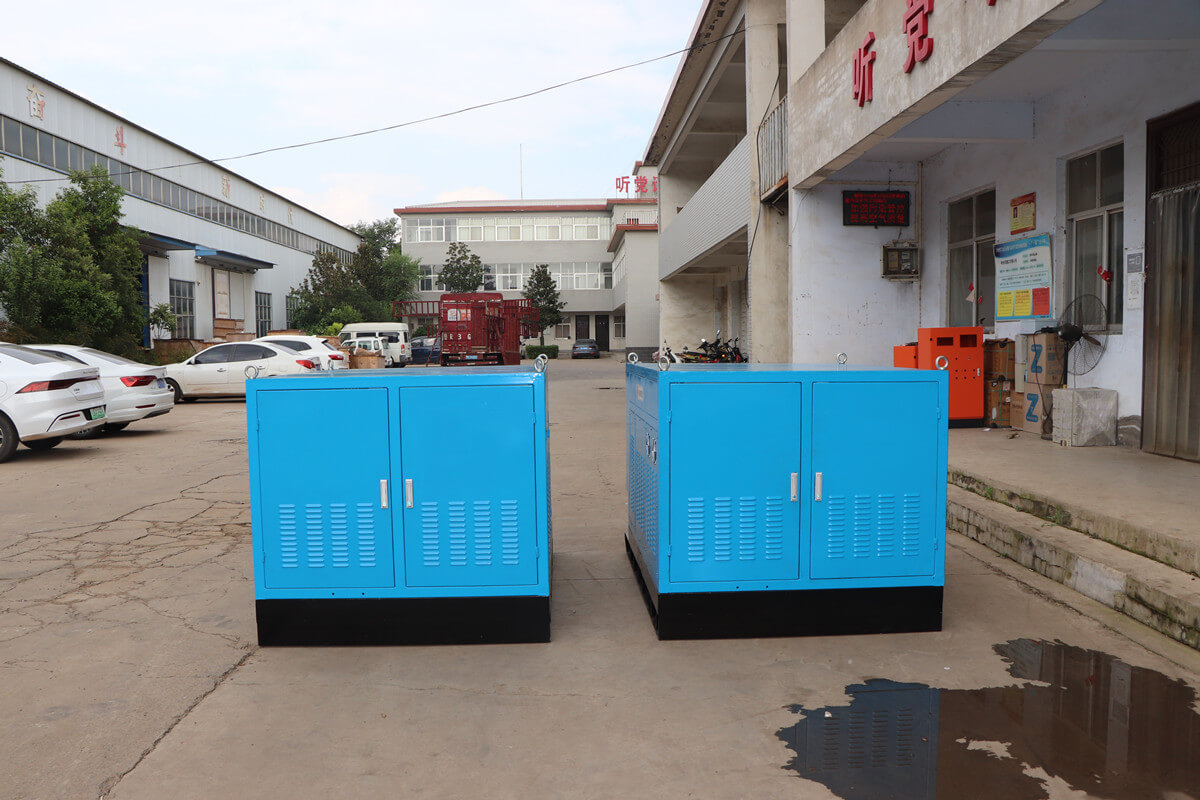
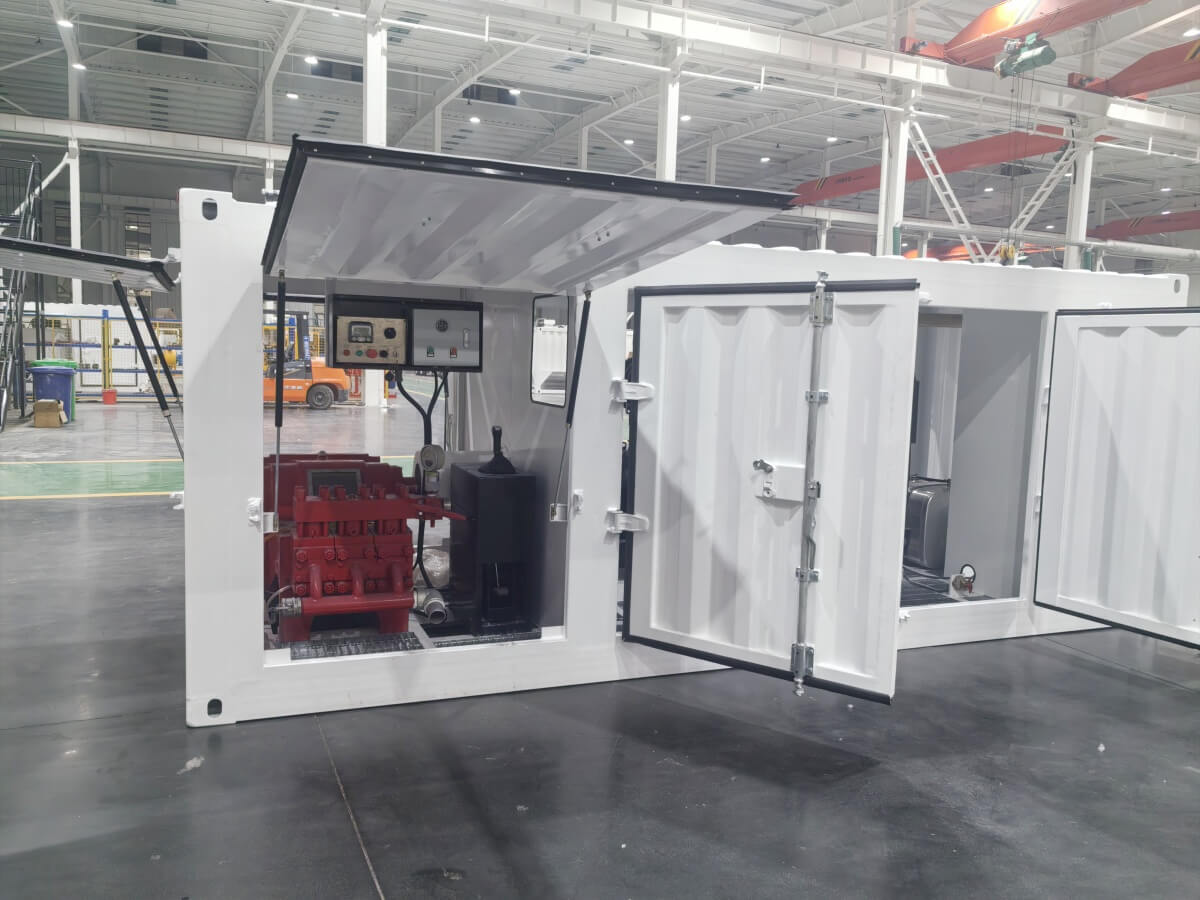
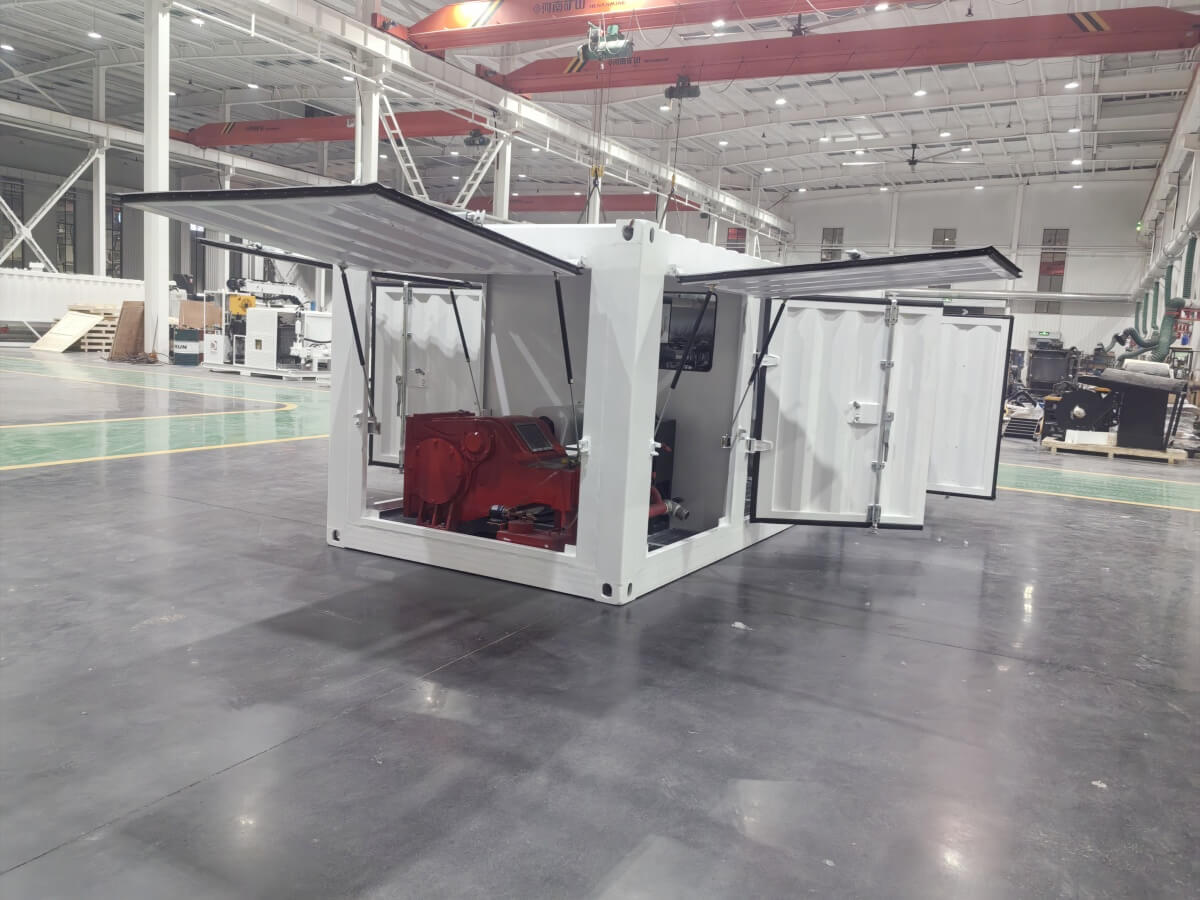
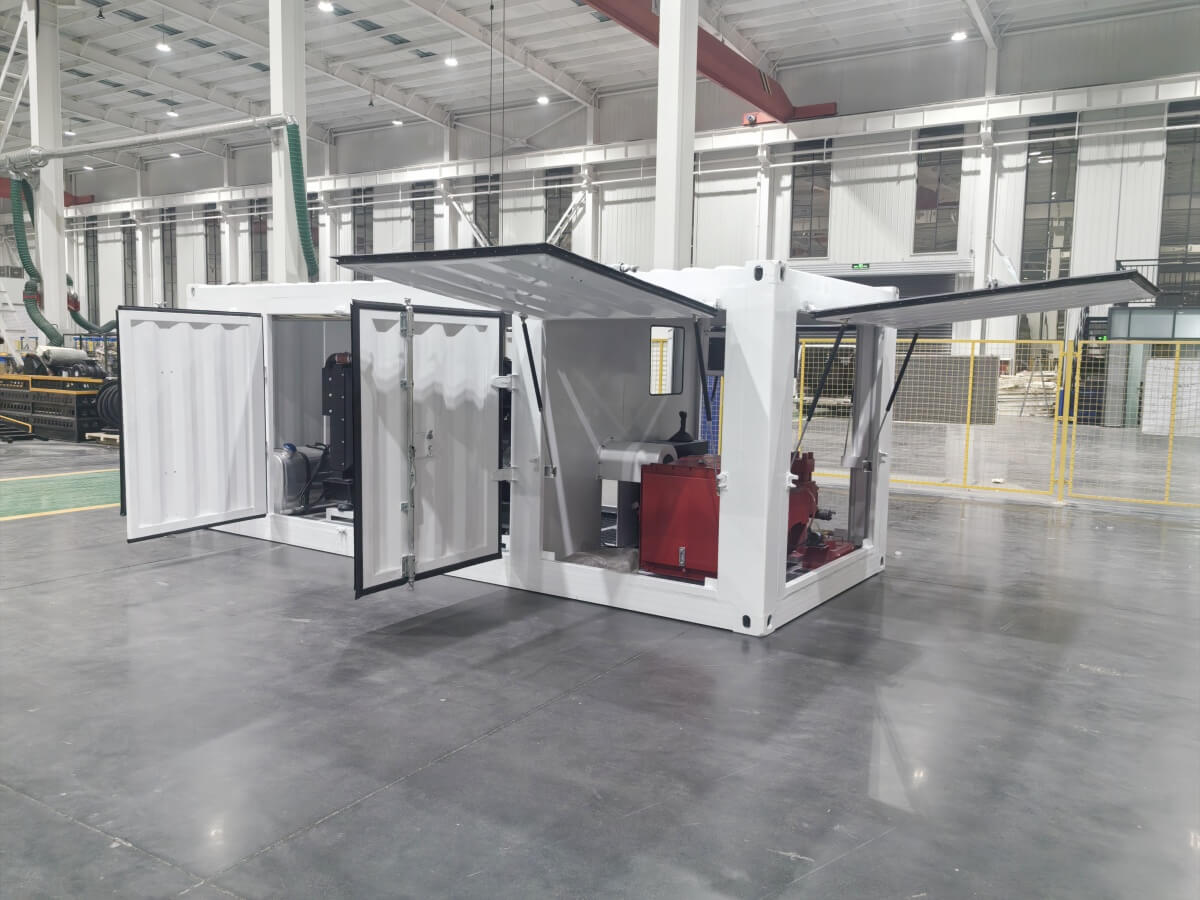
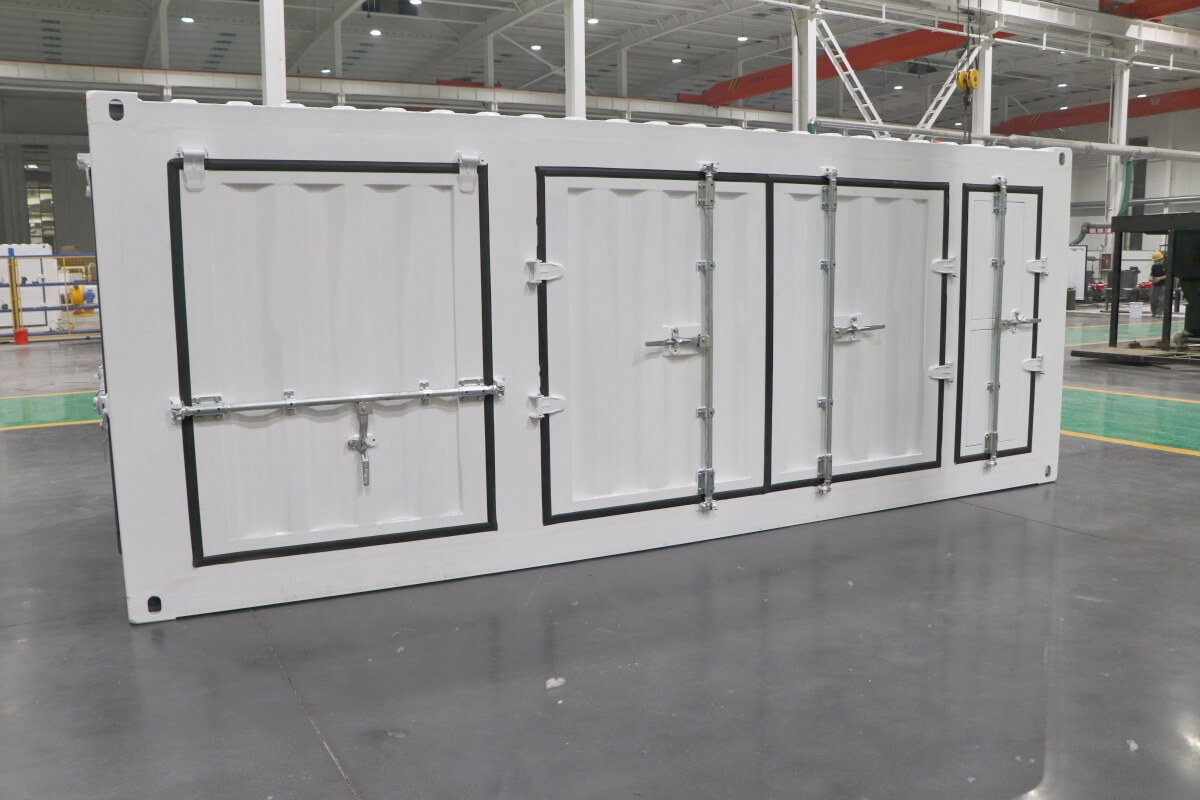
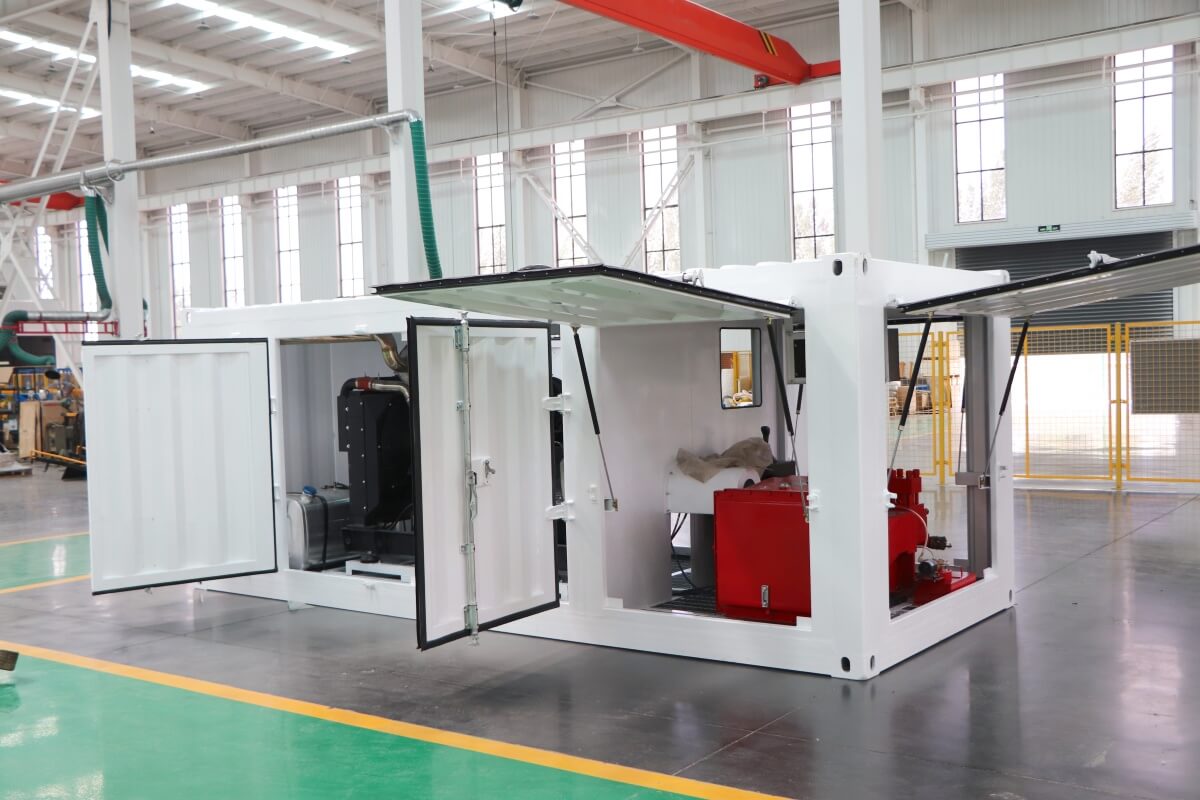
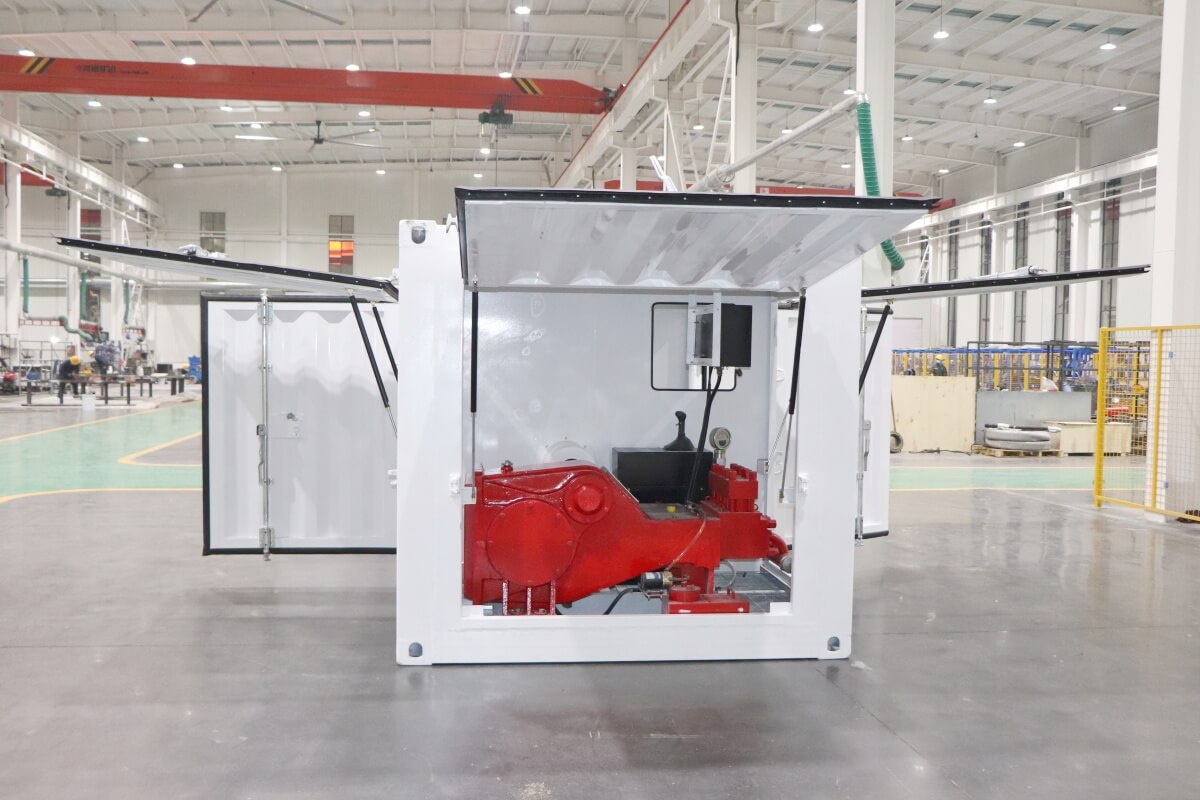
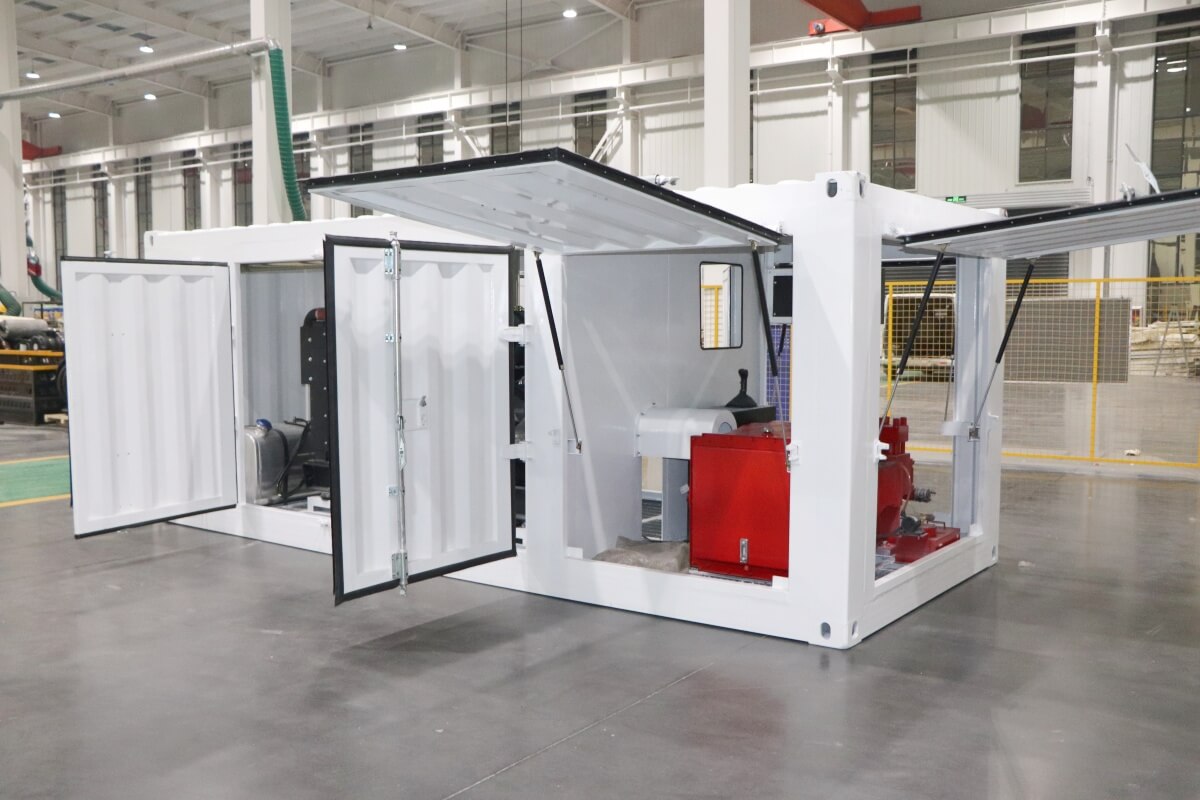
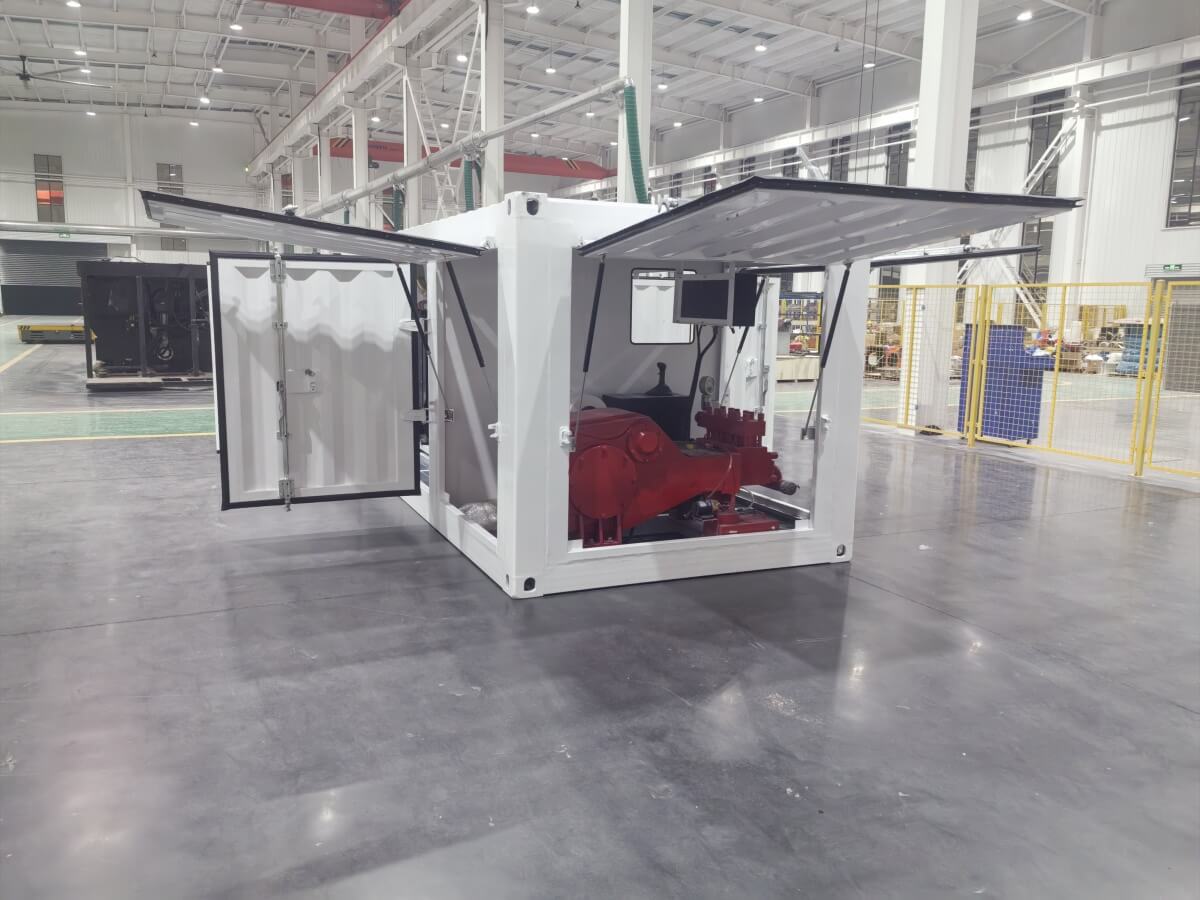
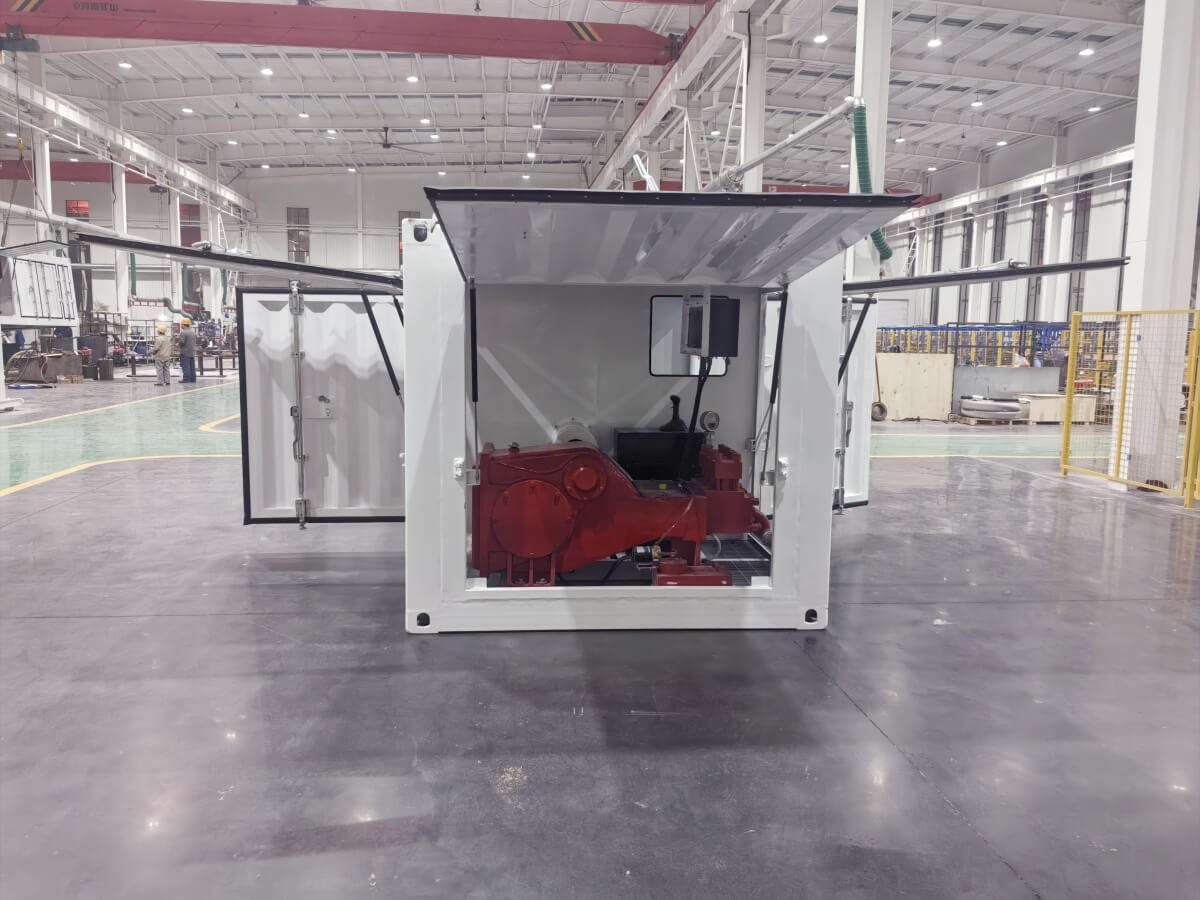
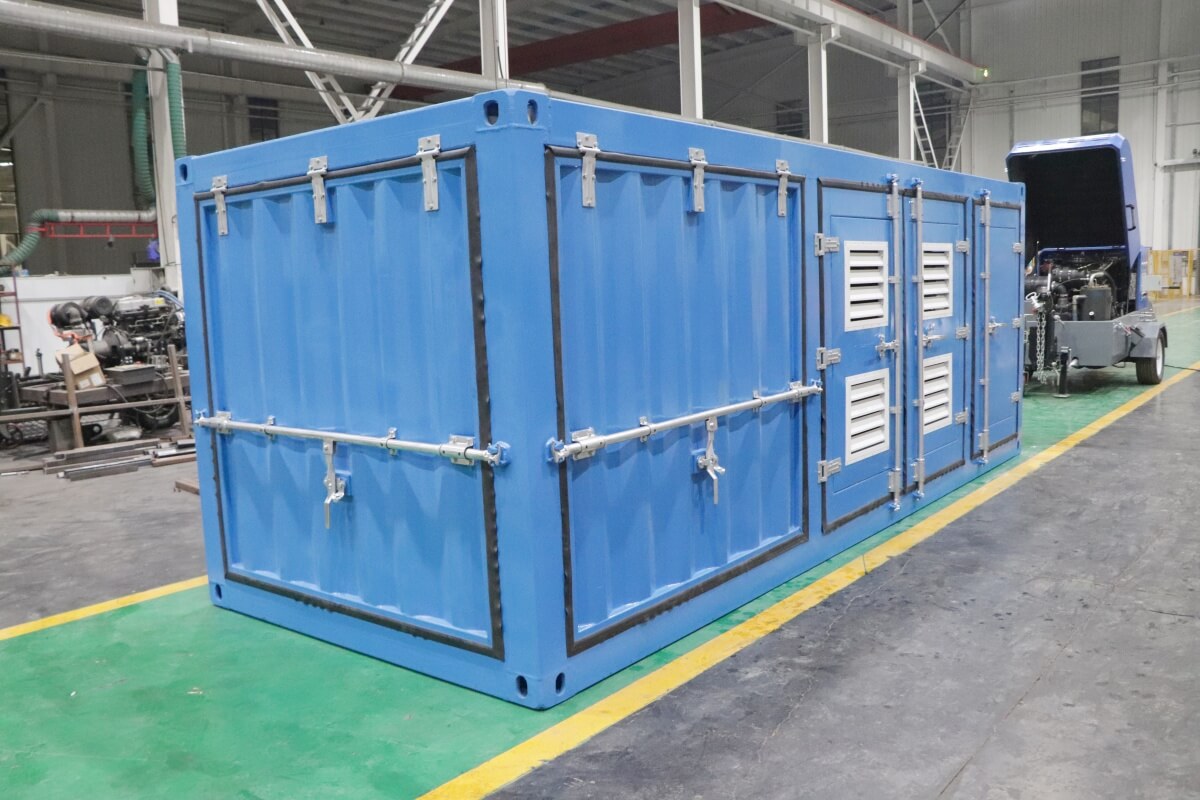
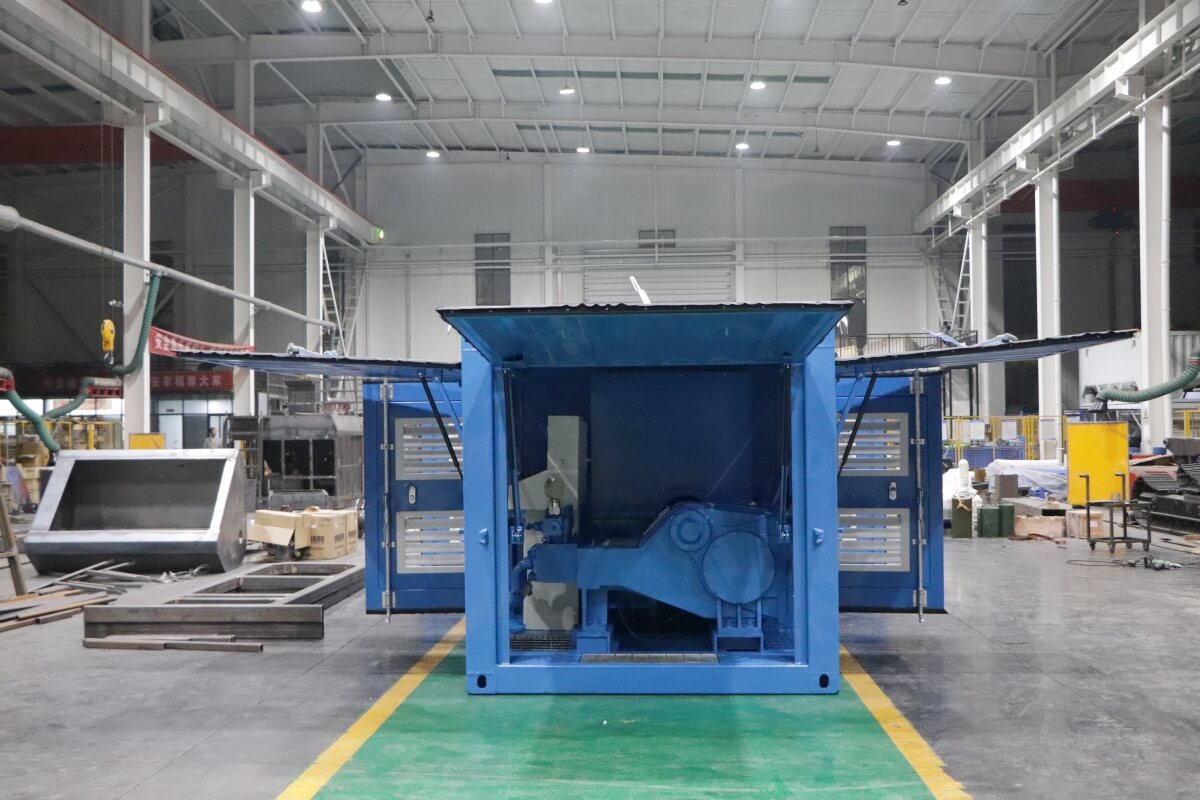
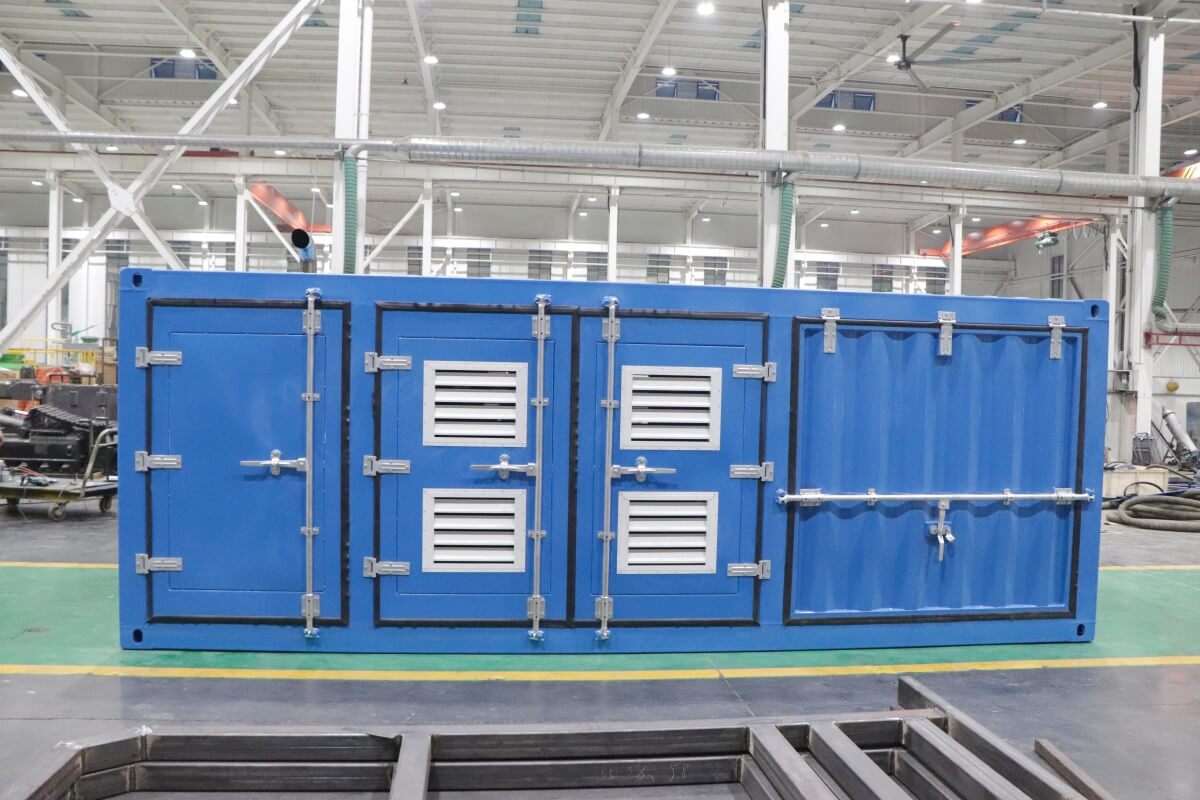
The Leadcrete LGP250/450-260D high-pressure grouting pump for ground improvement combines a 260 HP Cummins diesel engine with a three-plunger pumping unit. Its containerized configuration supports site deployment for jet grouting and related ground treatment projects. Select the operating pressure and flow according to grout properties and engineering requirements.
High-pressure Grouting Pump for Ground Improvement
Ground improvement contractors need pumping equipment that matches the treatment method, grout formulation, and planned injection sequence. A high-pressure grouting pump for ground improvement must deliver the required grout flow at the specified working pressure while receiving a consistent supply from the mixing plant.
The Leadcrete LGP250/450-260D is a diesel-driven, three-plunger grout pump with a containerized arrangement. For foundation reinforcement, jet grouting, and underground ground treatment, equipment selection should consider the complete pumping system and the project’s engineering requirements.
Match the Pump to the Ground Treatment Method
Ground improvement includes different processes with different pumping demands. In jet grouting, high-velocity fluid jets break up and mix the soil with cement-based grout. Other injection methods depend on how grout enters pores, fractures, or voids under controlled conditions.
Before selecting a high-pressure grouting pump for ground improvement, identify the construction method and the fluid the pump will deliver. For multi-fluid jet grouting, establish the separate requirements for grout, water, and compressed air.
The pump’s maximum pressure does not determine the finished treatment diameter, strength, or permeability. These outcomes also depend on ground conditions, materials, construction parameters, and verification.
Diesel Power and Three-Plunger Configuration
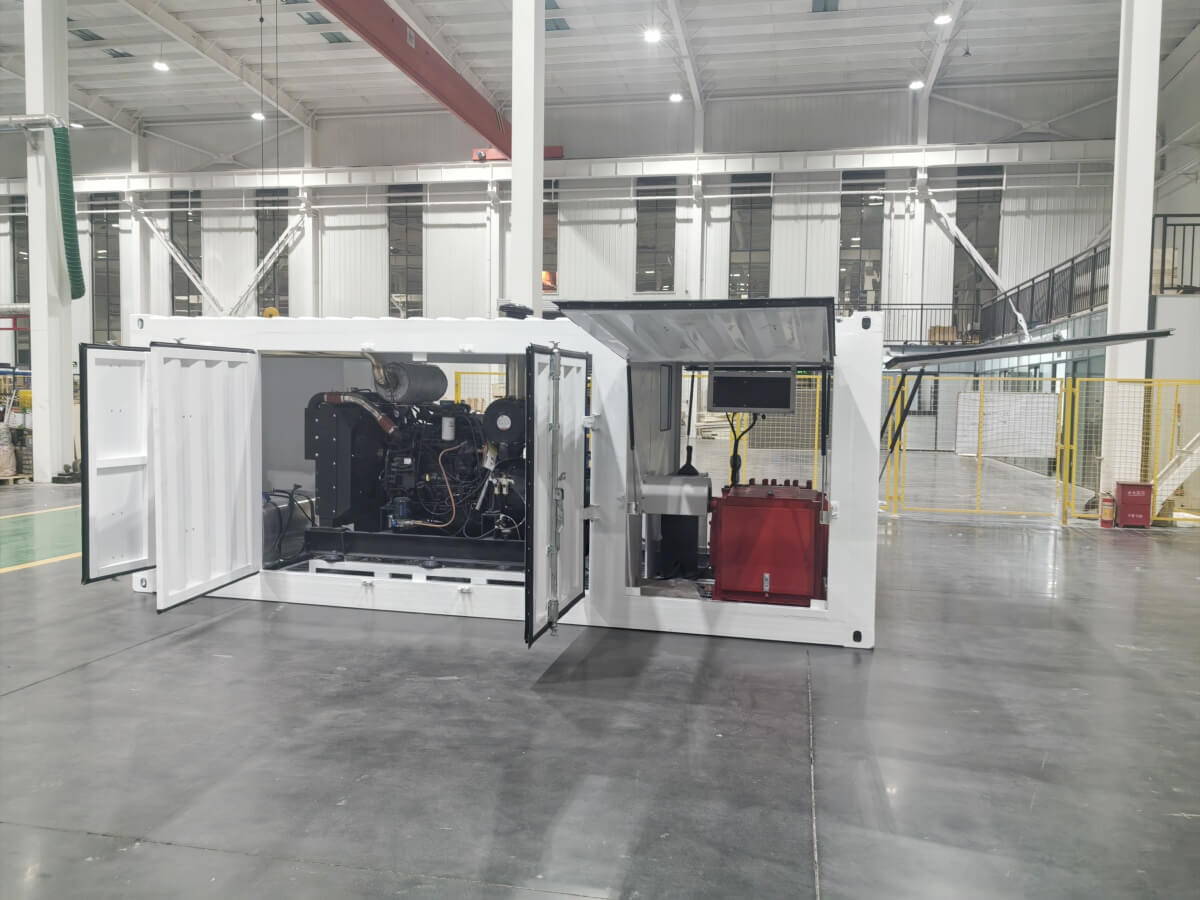
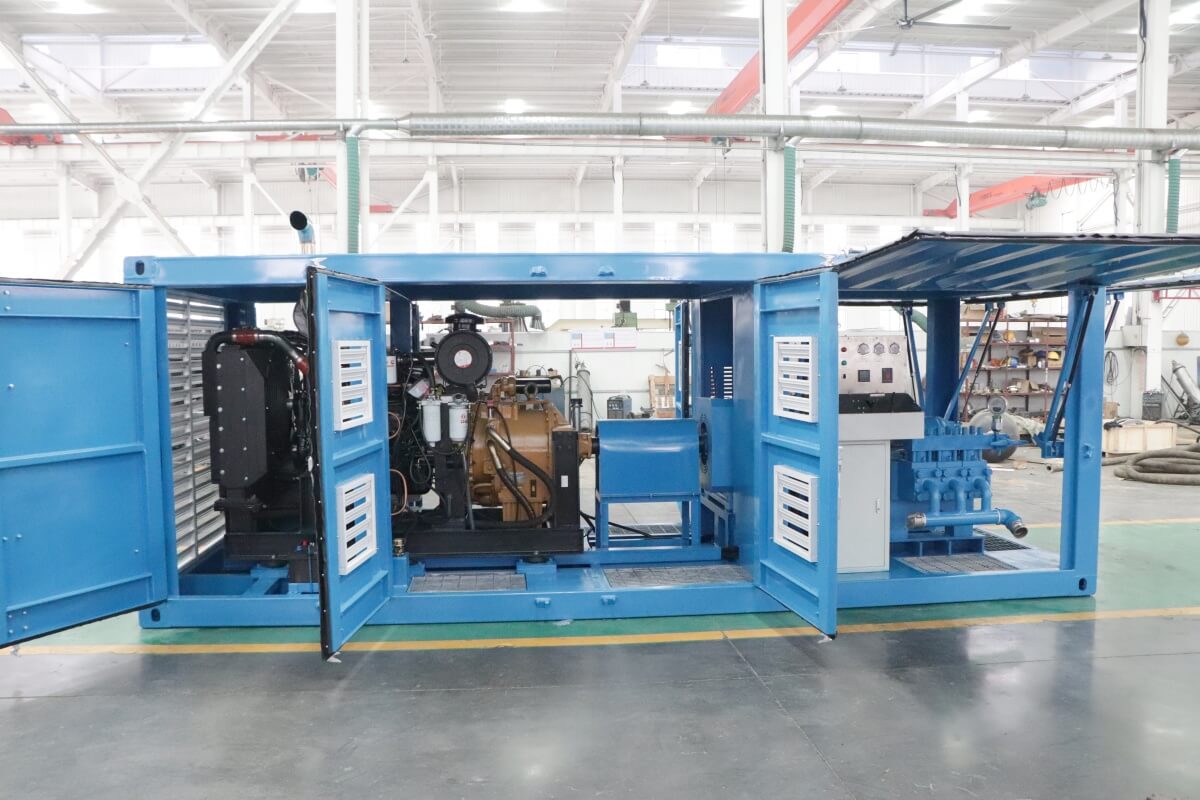
The upgraded LGP250/450-260D uses a 260 HP Cummins QSB6.7-260C diesel engine and a four-speed hydrodynamic transmission. Its GP250/450 main pump has three 75 mm plungers operating in a reciprocating, single-acting arrangement.
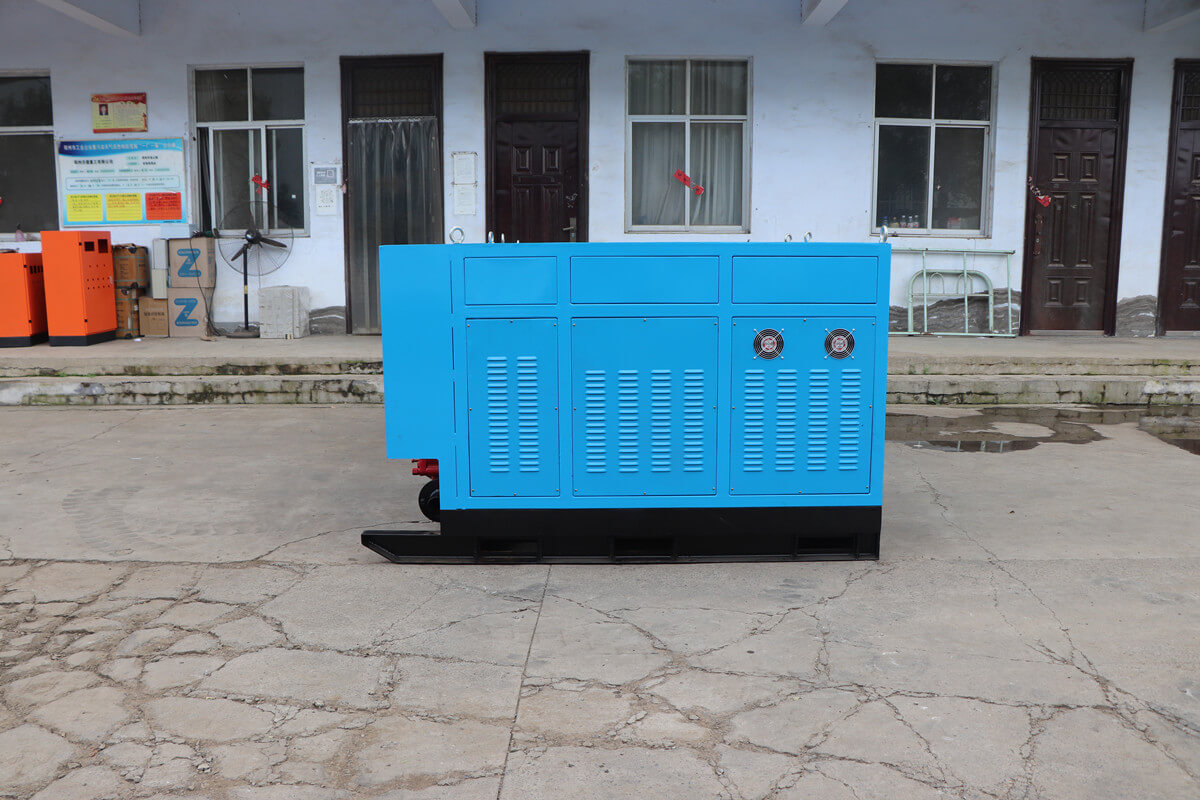
Diesel drive provides an option for sites without a suitable electrical supply for the main pumping duty. Installation planning should cover fuel handling, ventilation, exhaust clearance, and maintenance access.
Technical Parameters
| Parameter | Specification |
|---|---|
| Model | LGP250/450-260D |
| Diesel engine | Cummins QSB6.7-260C |
| Engine power | 260 HP |
| Maximum engine speed | 2,200 r/min |
| Transmission | Hydrodynamic transmission |
| Transmission speeds | 4 |
| Main pump | GP250/450 |
| Pump action | Reciprocating, single-acting plunger |
| Number of plungers | 3 |
| Plunger diameter | 75 mm |
| Maximum output | 250 L/min |
| Maximum pressure | 450 bar / 45 MPa |
| Inlet diameter | 3 inches |
| Outlet diameter | 1¼ inches |
| Overall dimensions, L × W × H | 5,750 × 2,230 × 2,300 mm |
| Weight | 8,050 kg |
Performance note: Published data are based on water testing. Confirm the available flow at the required pressure for the proposed grout. Maximum pressure and maximum flow should not be assumed to occur simultaneously.
Specify the Required Pressure and Flow Together
A useful specification for a high-pressure grouting pump for ground improvement defines a working pressure and its corresponding delivery rate.
For example, requesting a pump with a maximum pressure of 450 bar does not establish its required output during construction. State the operating flow, pressure measurement location, and expected duration of pumping.
Distinguish pump outlet pressure from pressure at the injection point. Hose length, internal diameter, elevation, fittings, and grout properties affect the relationship between these locations. Confirm the operating range against the complete delivery arrangement.
Coordinate Mixing Capacity with Grout Consumption
The mixing plant must replenish prepared grout quickly enough to support the injection sequence.
As a planning example, pumping at 180 L/min consumes 10.8 m³/h during uninterrupted operation. This illustrates grout demand and does not represent a confirmed pressure–flow operating point.
Assess production capacity using the entire batch cycle, including water dosing, cement feeding, mixing, and transfer. An agitator provides storage between batches and helps maintain prepared grout in suitable condition.
Where injection is intermittent, review both average consumption and peak demand. Adequate storage may bridge short production gaps, but it cannot compensate indefinitely for insufficient mixing capacity.
Review Grout Properties and Material Handling
A high-pressure grouting pump for ground improvement should be assessed against the actual grout formulation.
Provide the water-to-cement ratio, additives, expected density, and available viscosity information. Explain whether the formulation changes between treatment stages.
Material preparation also matters. Confirm the required mixing process, screening arrangement, and allowable particle size for the proposed pumping configuration. Rapid-setting or chemically reactive materials require separate compatibility review.
Clean-water performance data provide a reference; they do not establish identical delivery performance for every cement grout.
Plan the Containerized Pump Installation
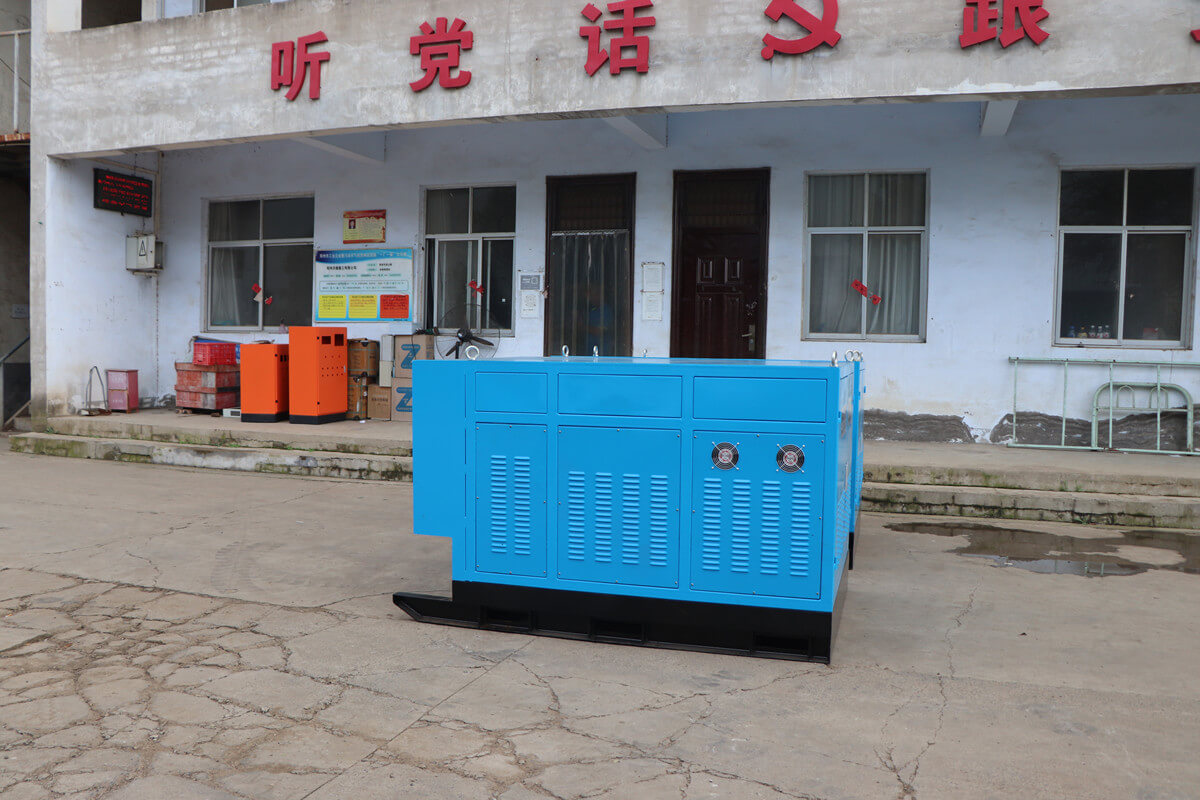
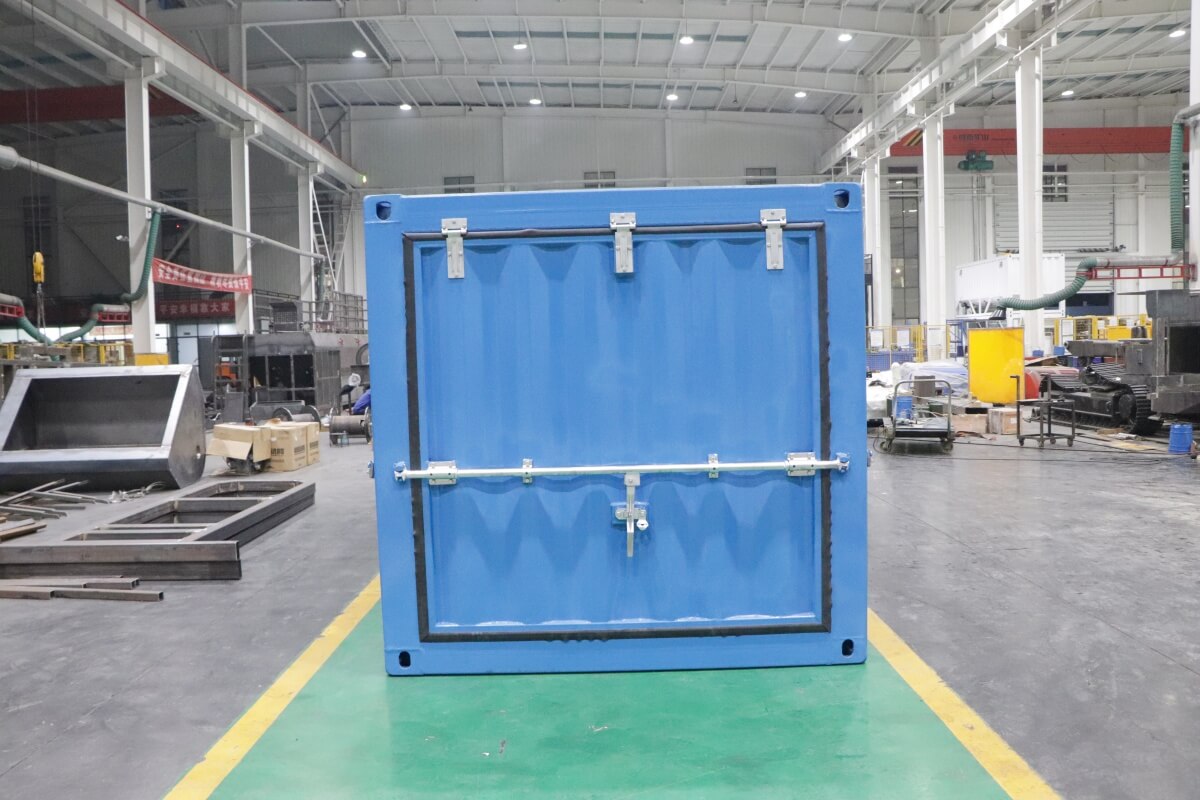
The containerized layout gives the pumping package a defined installation footprint. Review access routes, lifting arrangements, ground support, and available operating space before delivery.
Allow room to open service panels and inspect the engine, transmission, pump, and connections. Position the grout supply equipment so suction piping remains practical and accessible.
Confirm the supply scope separately. A pumping package does not automatically include the mixer, agitator, cement silo, drilling rig, or external high-pressure hoses.
Coordinate Pumping with Construction Monitoring
For ground treatment work, identify which operating values must be measured and recorded. These may include grout pressure, flow, injected volume, and their relationship to treatment depth.
For jet grouting, pumping should be coordinated with the specified rotation and withdrawal sequence. Changes in one operating parameter can affect the treatment process.
Confirm sensor locations, recording intervals, and required reporting formats when discussing the equipment configuration. Monitoring functions and compatibility with other site equipment should be defined in the quotation.
Request a Ground Improvement Pump Proposal
To discuss a high-pressure grouting pump for ground improvement with Leadcrete, provide:
- Ground treatment method and project objective.
- Required operating pressure, flow, and measurement location.
- Grout formulation and material properties.
- Delivery distance, working schedule, and mixing capacity.
- Site layout and monitoring requirements.
Contact sales@leadcrete.com to request a project-specific proposal for the LGP250/450-260D.