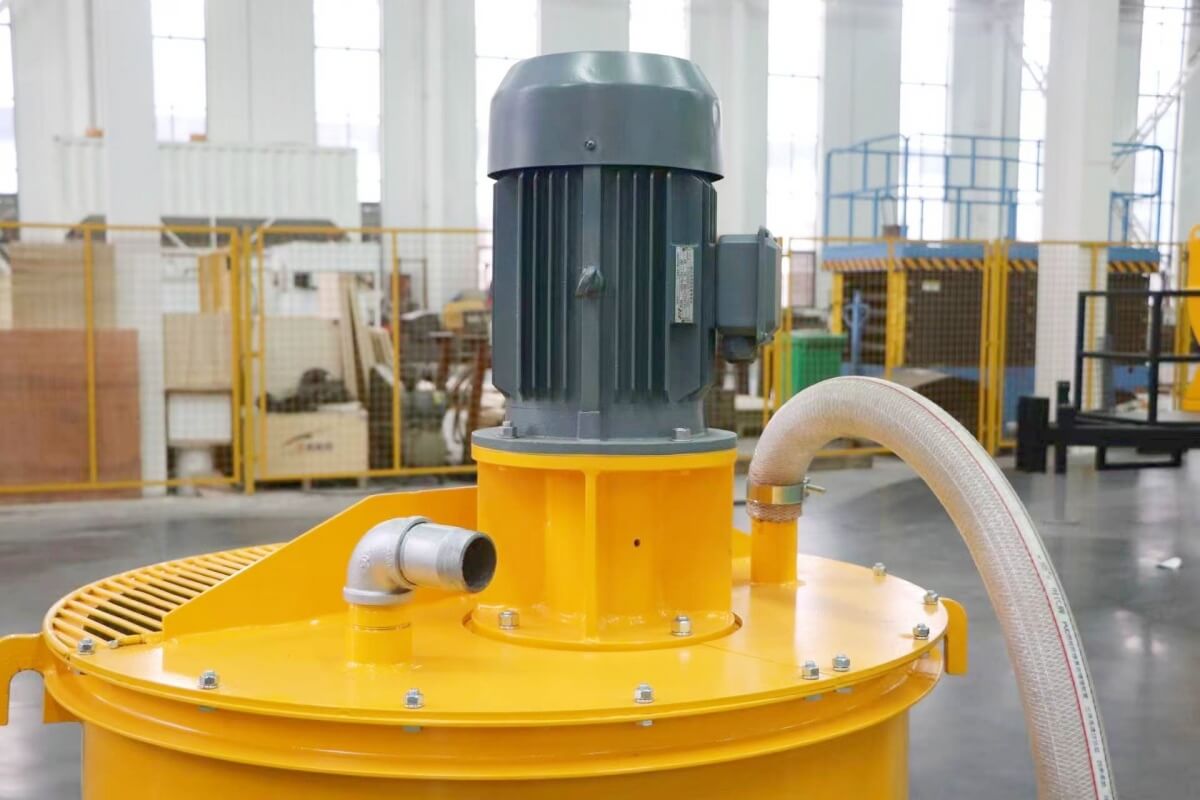
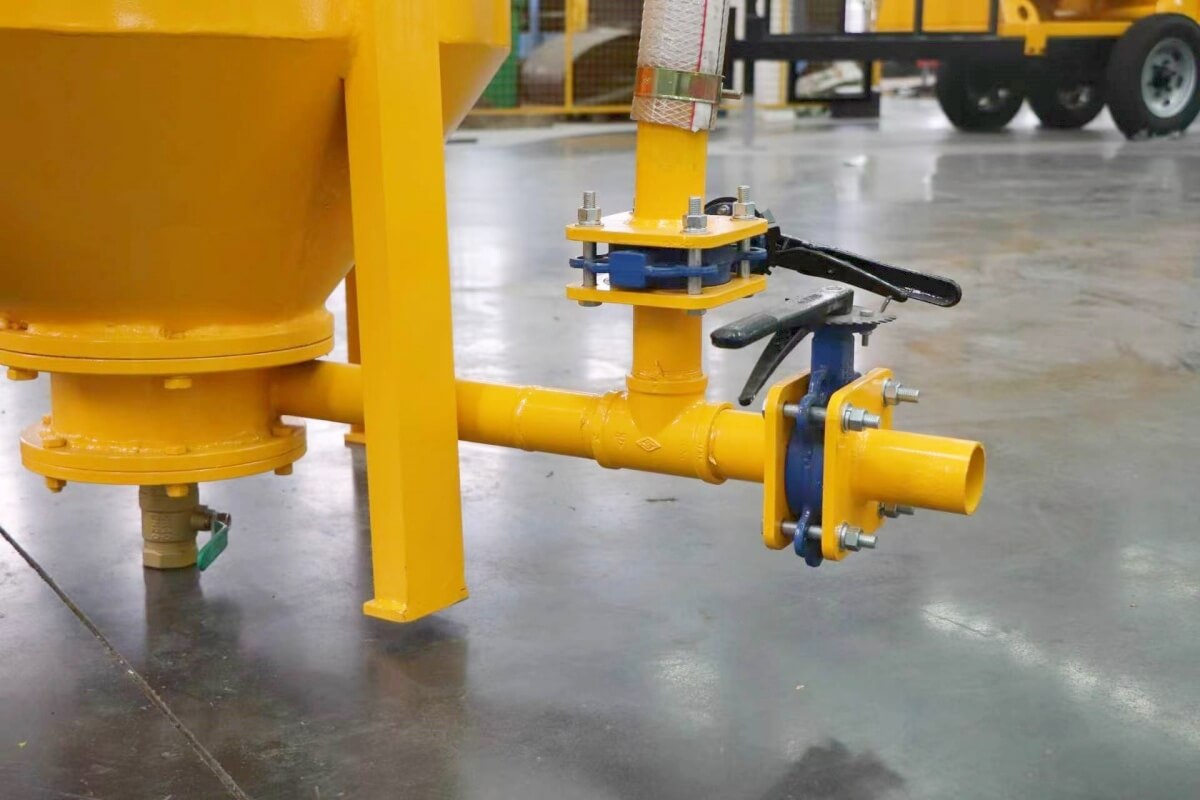
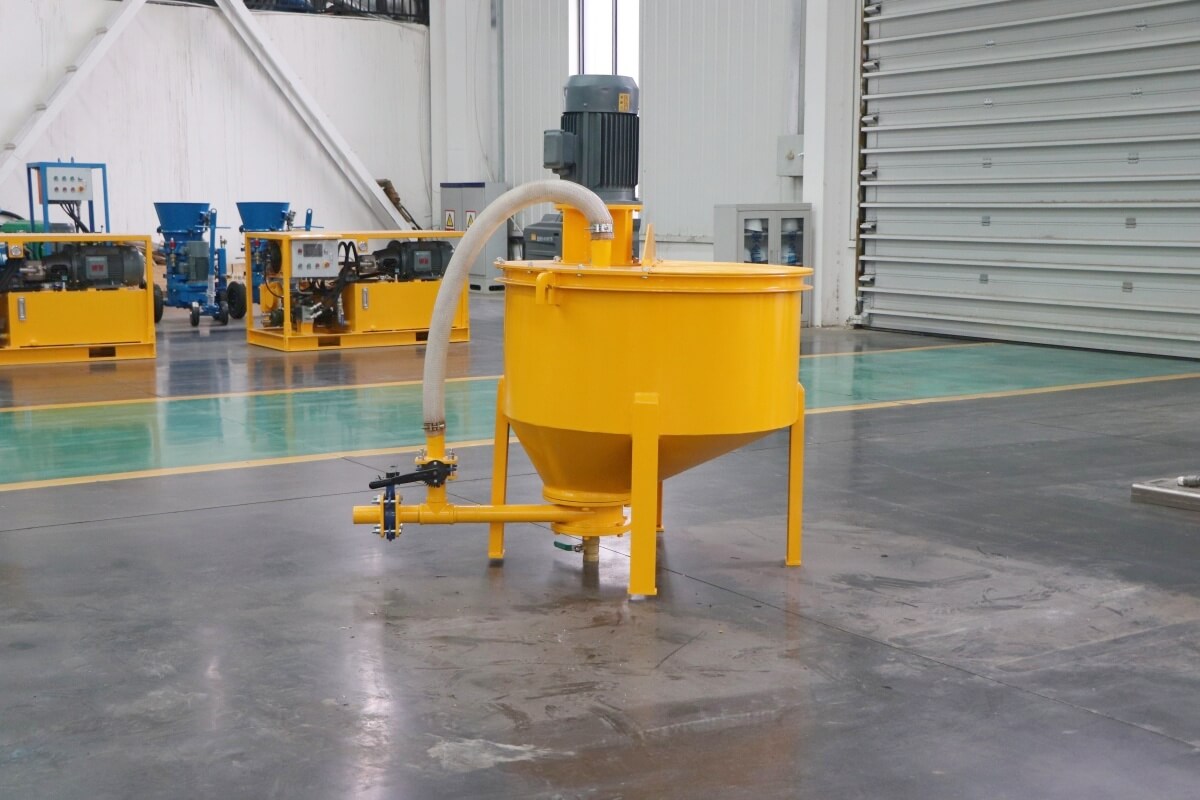
Colloidal bentonite mixer
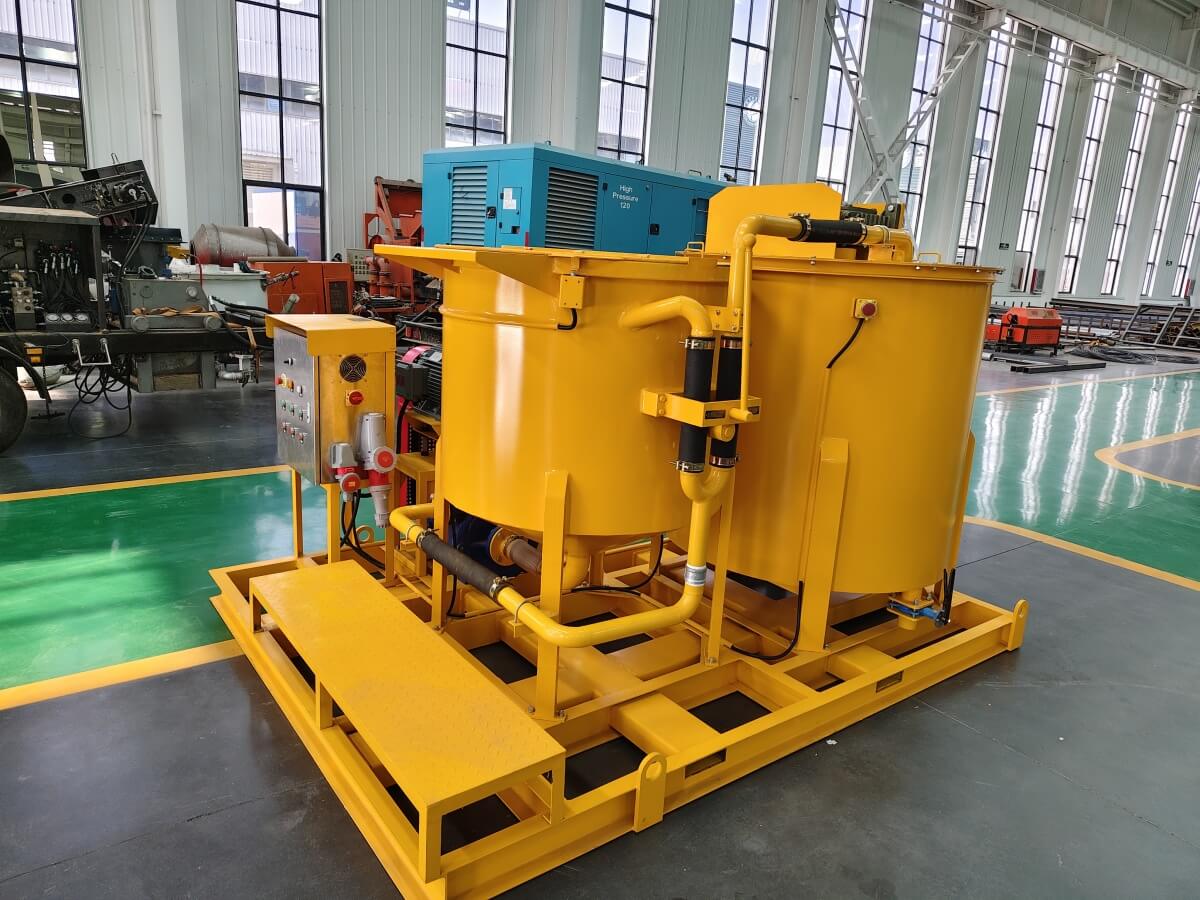
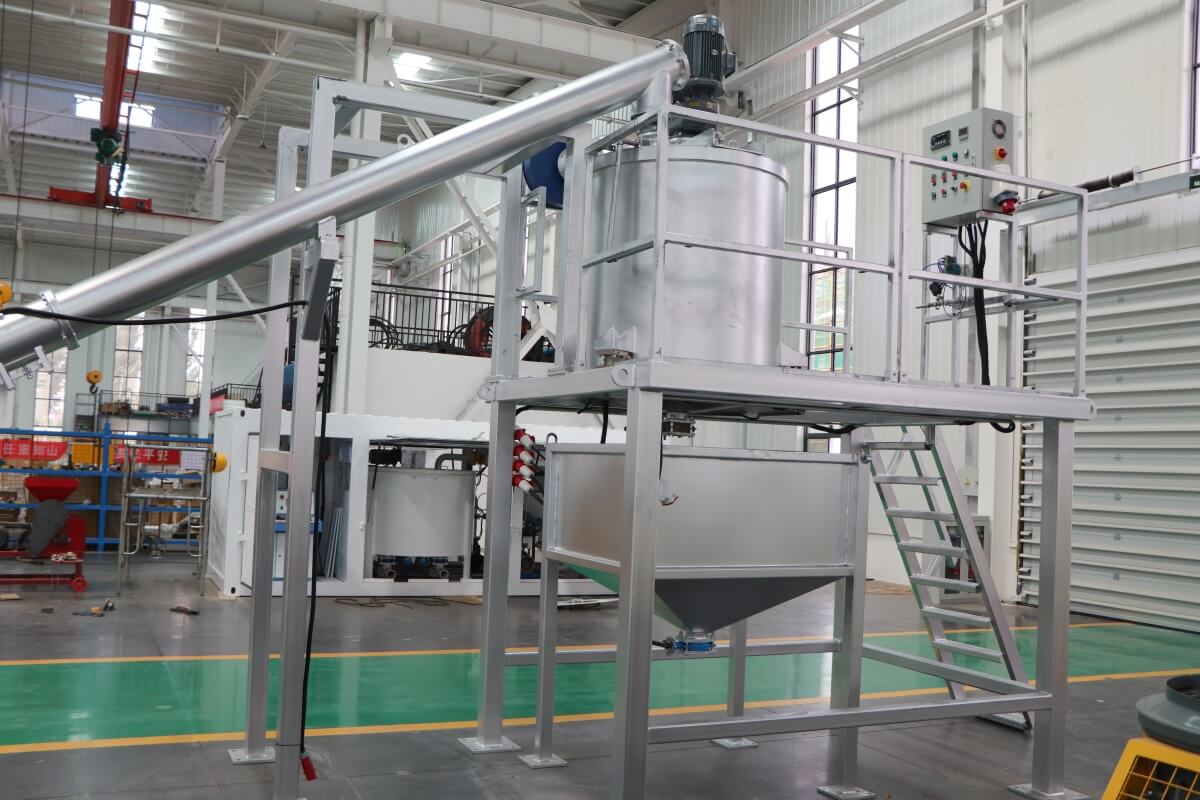
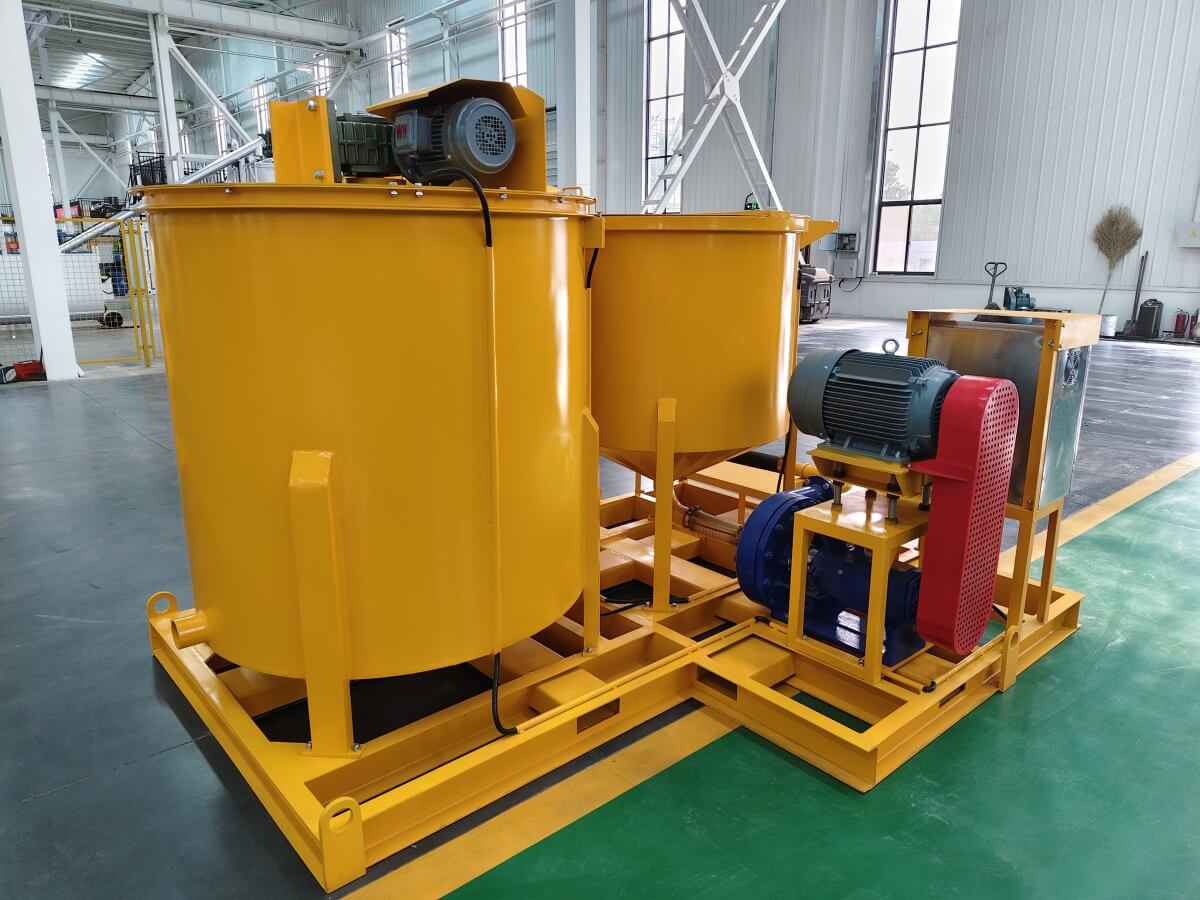
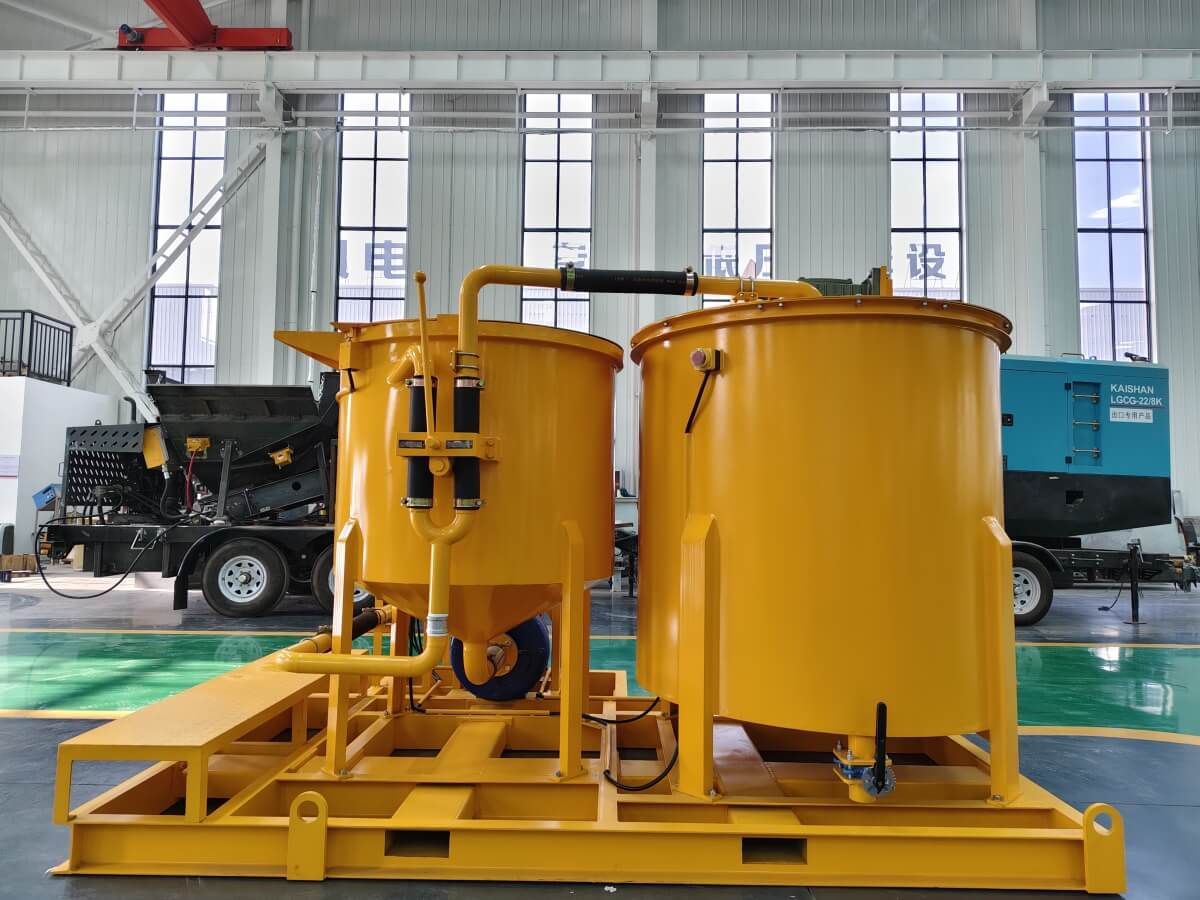
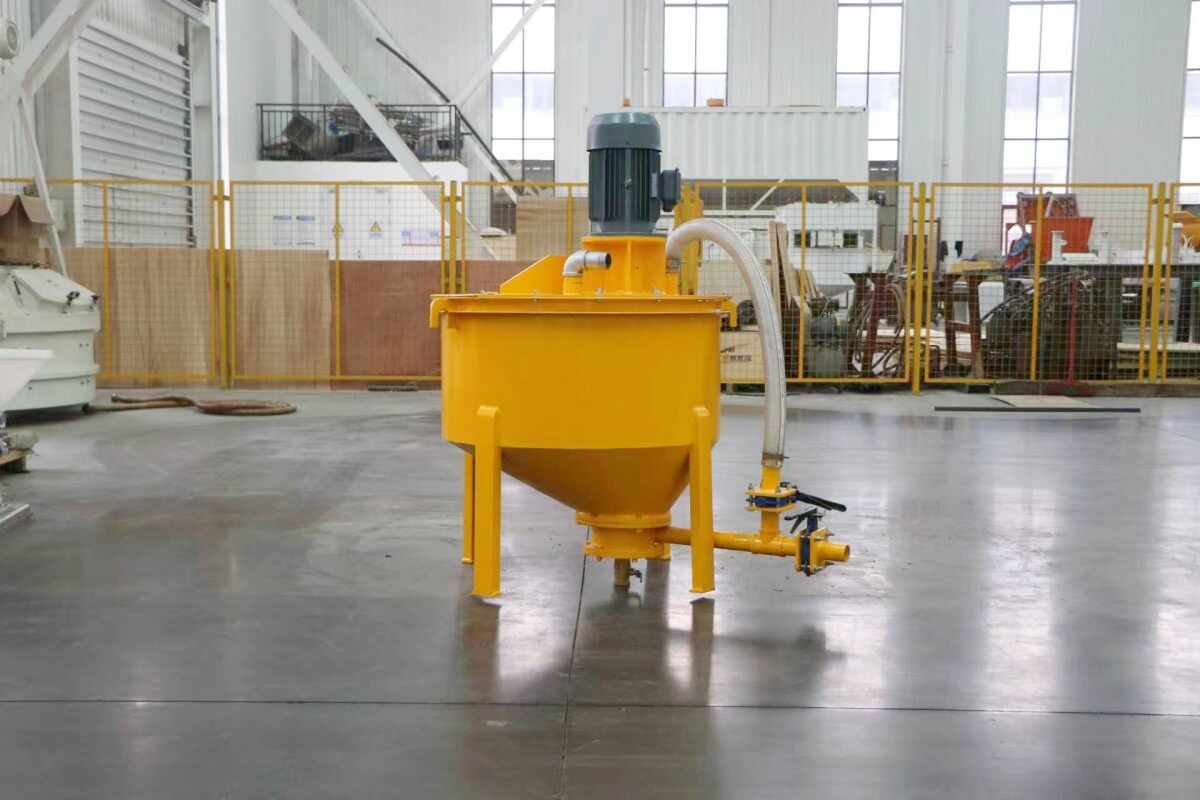
Leadcrete’s published colloidal mixing equipment includes pump-driven recirculating mixers and mixer–agitator combinations for compatible grout materials. For bentonite applications, selection should follow the specified formulation and preparation sequence. Mixing, holding and downstream pumping duties need separate assessment before the complete equipment arrangement is defined.
Colloidal bentonite mixer
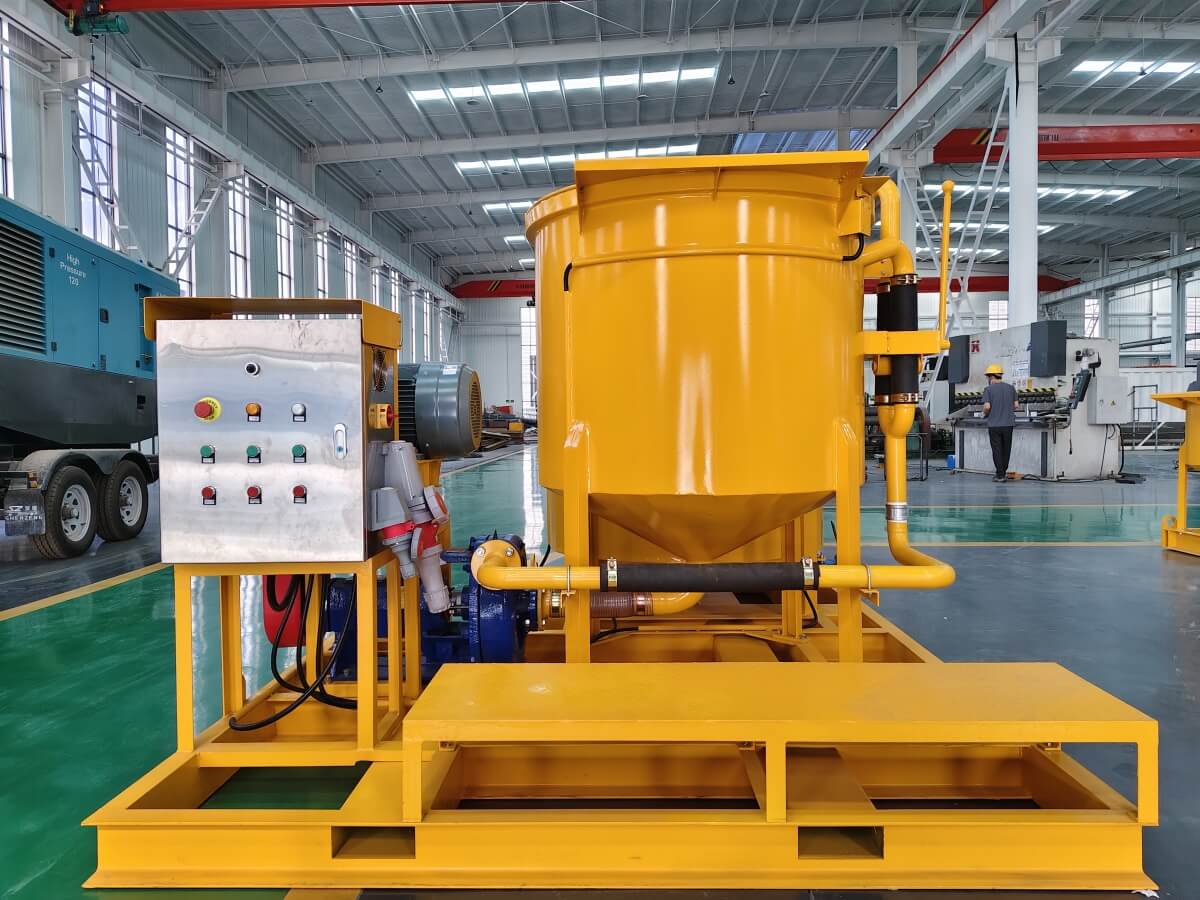
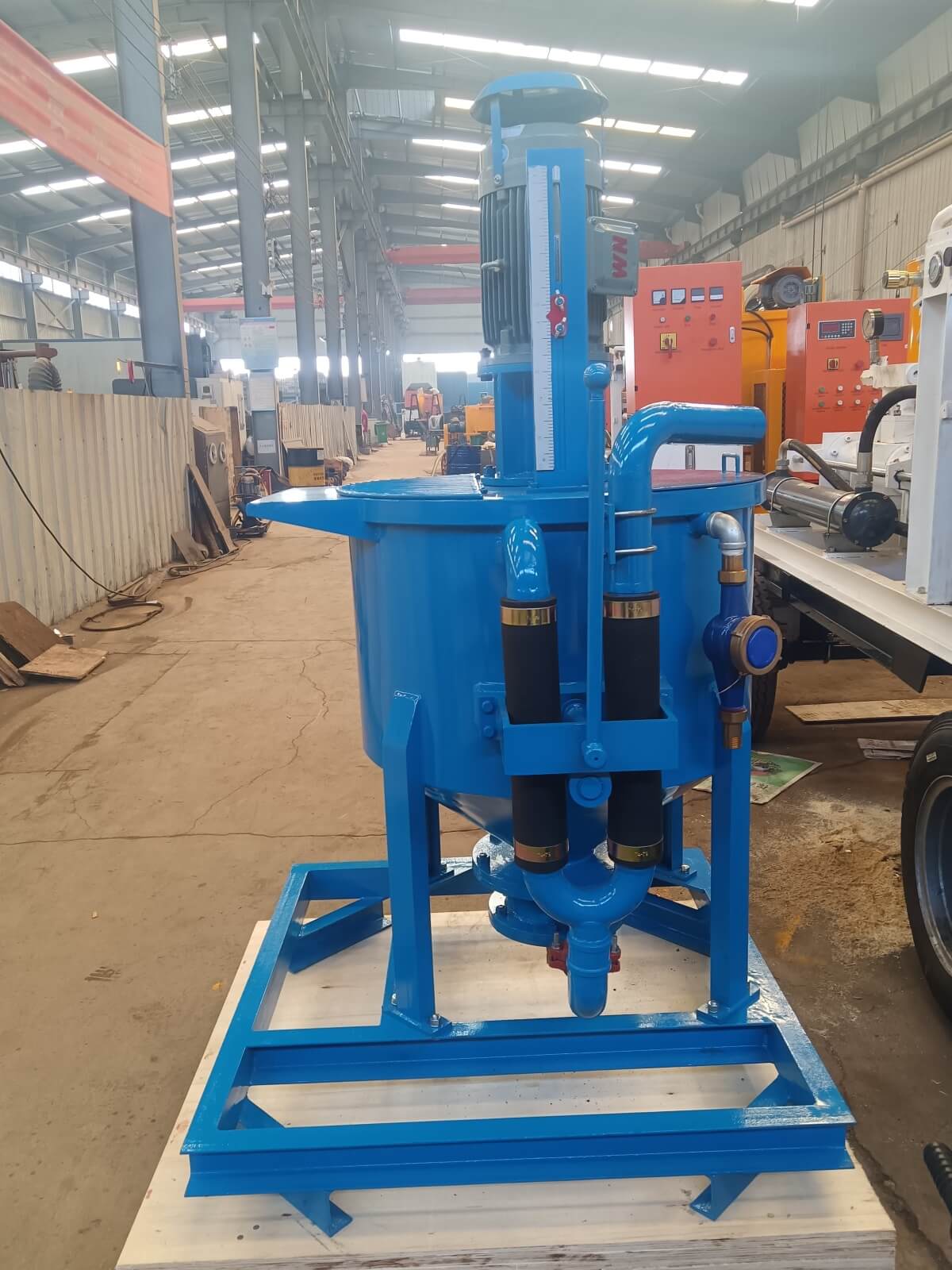
A colloidal bentonite mixer disperses bentonite into liquid through intensive mixing and circulation. Selecting the equipment requires more than identifying bentonite on a material list: the preparation sequence must suit the intended slurry, particularly when cement or other additives are included.
A bentonite suspension used before cement addition and a cement–bentonite grout prepared directly in one mixer can require different equipment flows. Establishing that process before choosing tanks and transfer connections helps avoid an arrangement that mixes the ingredients but cannot follow the approved preparation procedure.
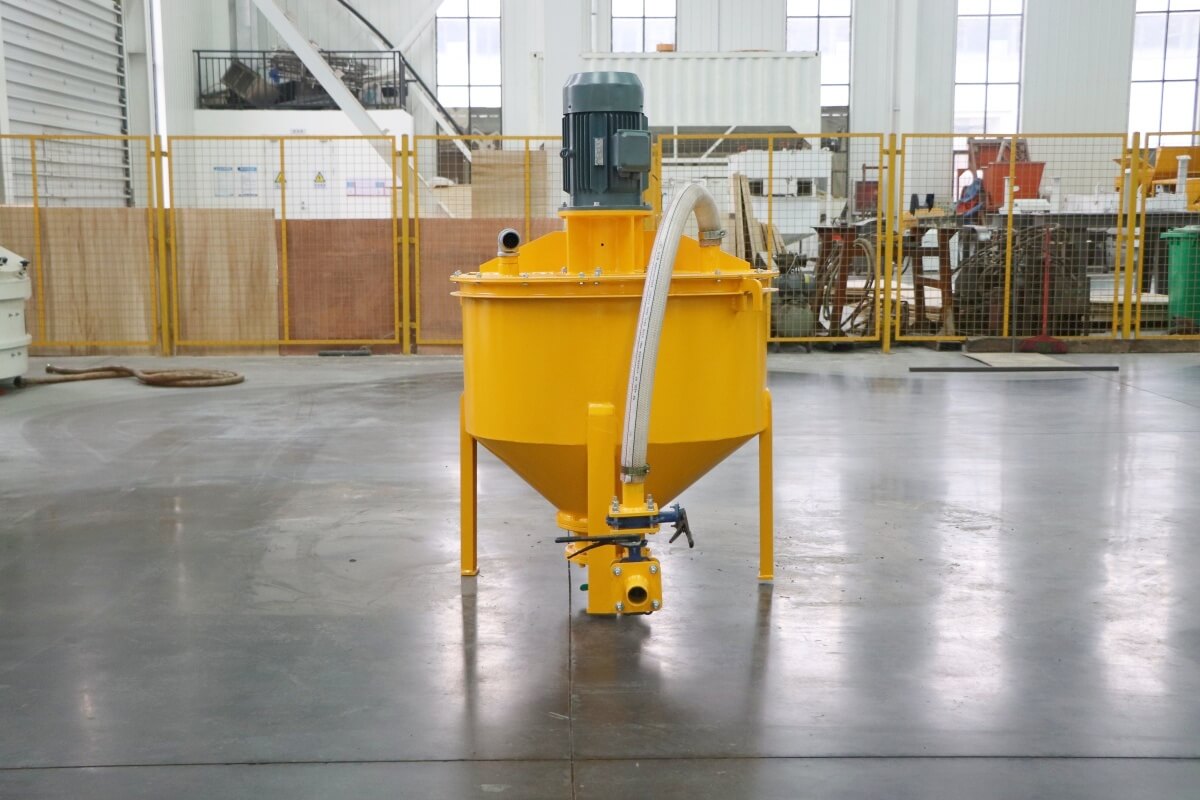
Define the slurry before defining the equipment
The first selection question is whether the required product is a bentonite–water suspension or a grout containing cement and bentonite. These materials may share ingredients while serving different engineering purposes.
For a bentonite suspension, preparation focuses on dispersing the clay and developing the fluid properties required by the application. For cement–bentonite grout, the cement content, water proportion and subsequent handling also influence the specification.
Provide the complete formulation, including any admixtures, rather than describing the duty simply as “bentonite mixing.” The equipment supplier needs to understand which ingredients enter each stage and what condition the material must reach before transfer.
Mixing and holding perform different duties
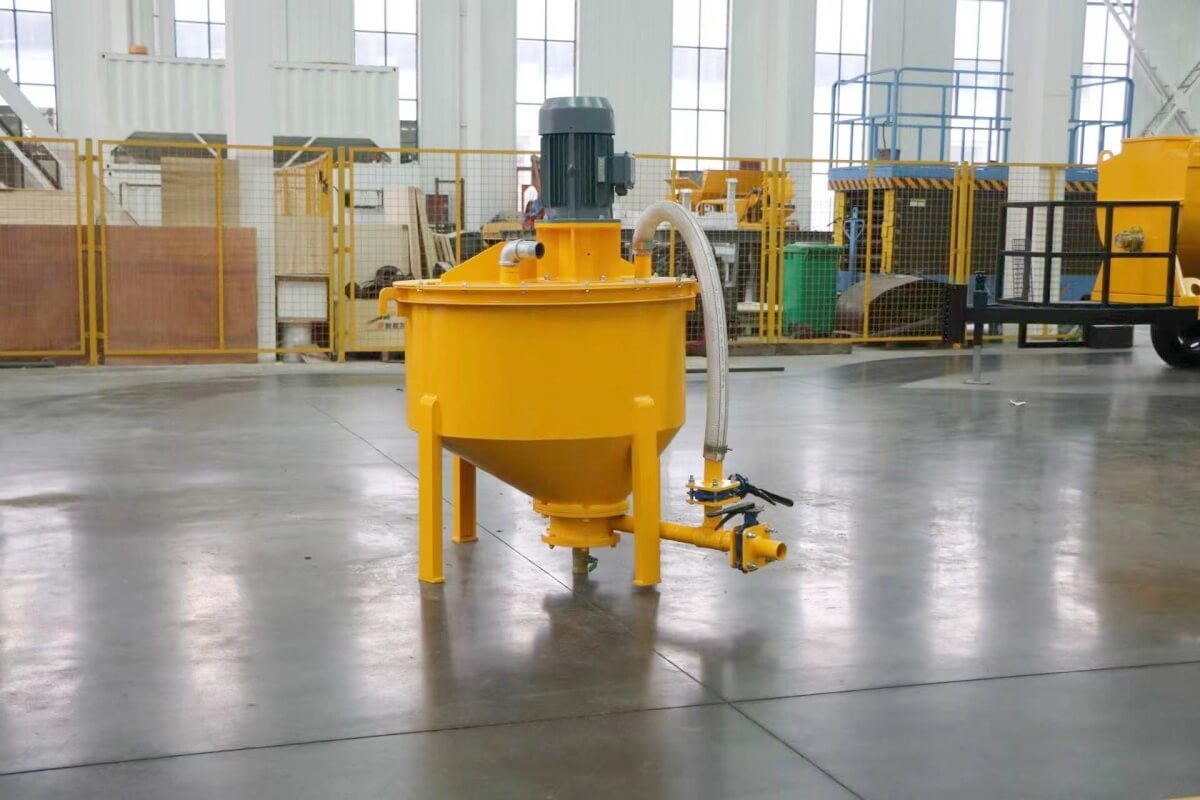
A colloidal mixer supplies the dispersing action used during batch preparation. An agitator maintains movement in material that has already been mixed. A holding tank should not be assumed to replace the primary mixing stage unless that duty has been demonstrated for the formulation.
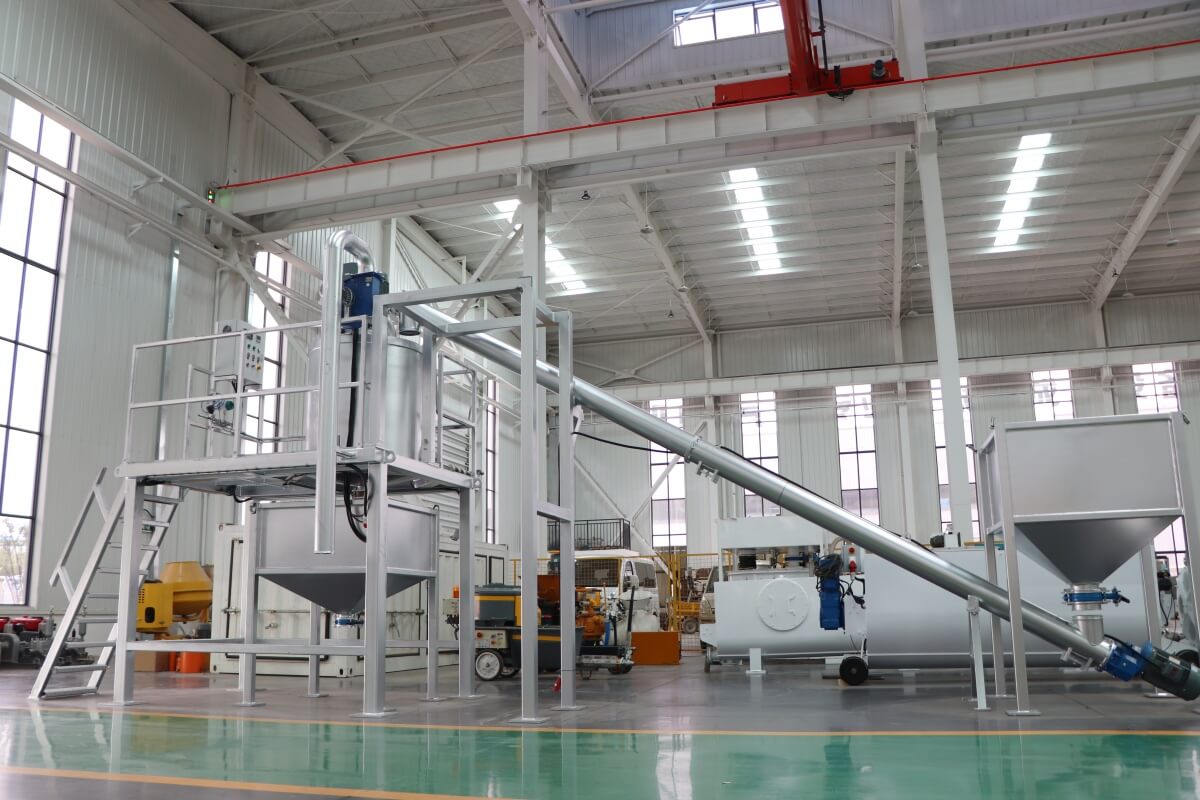
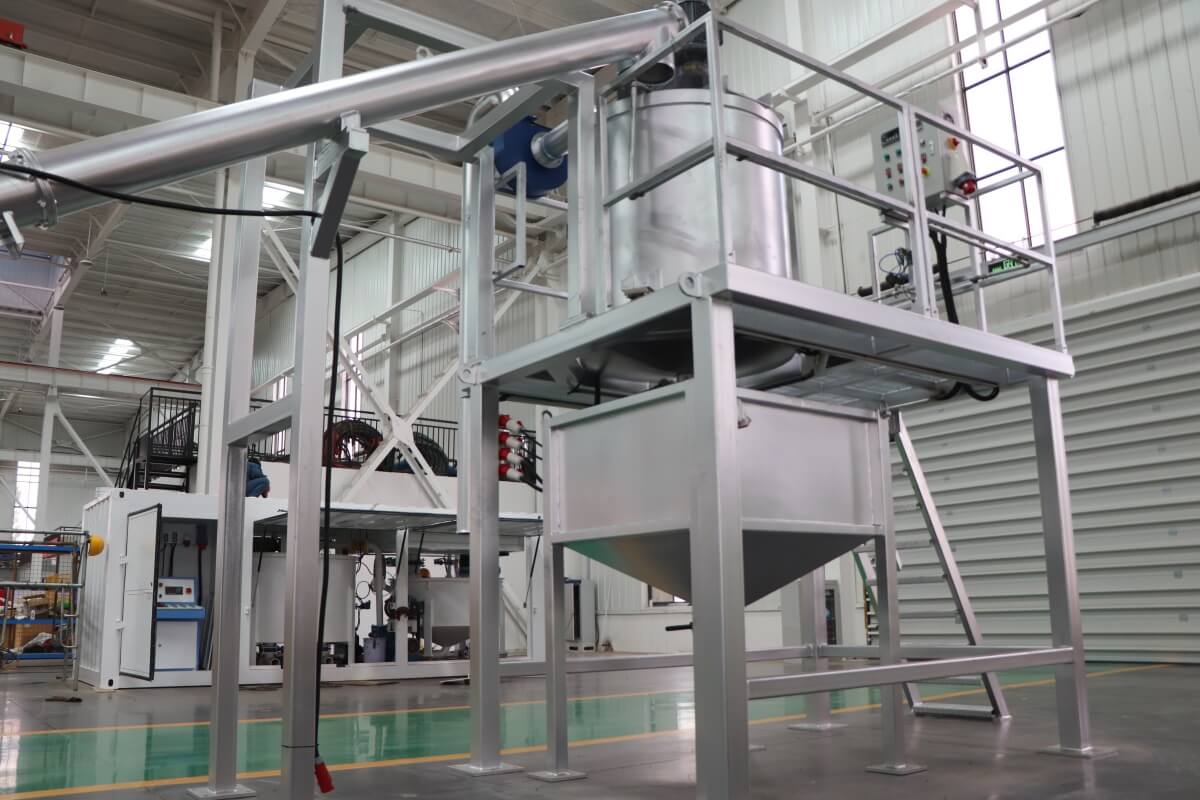
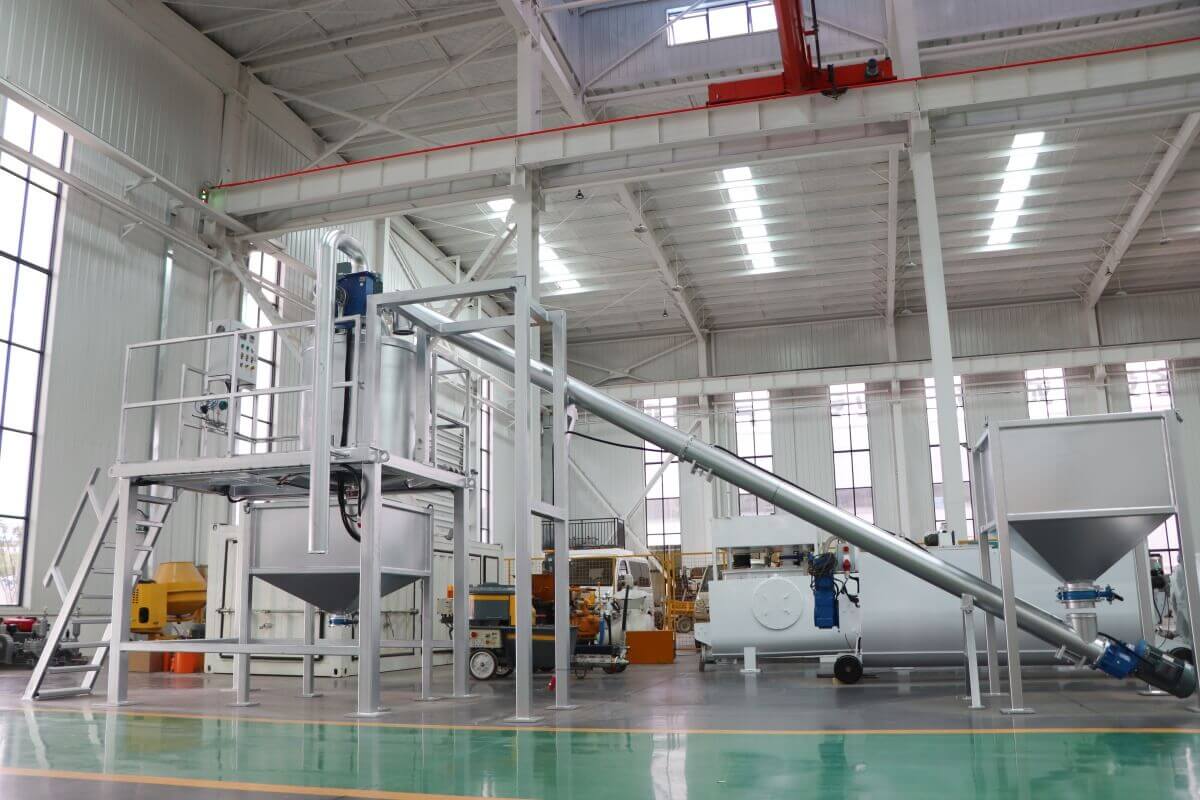
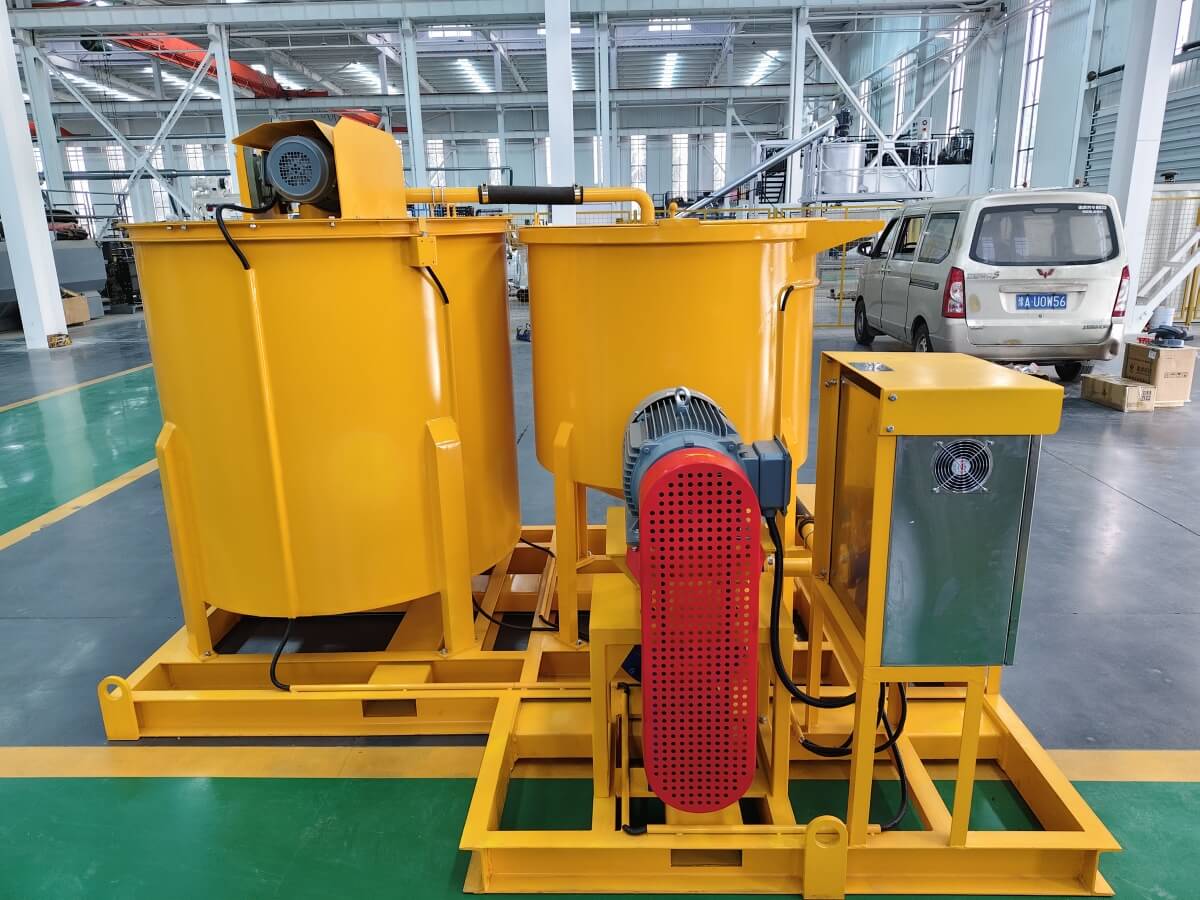
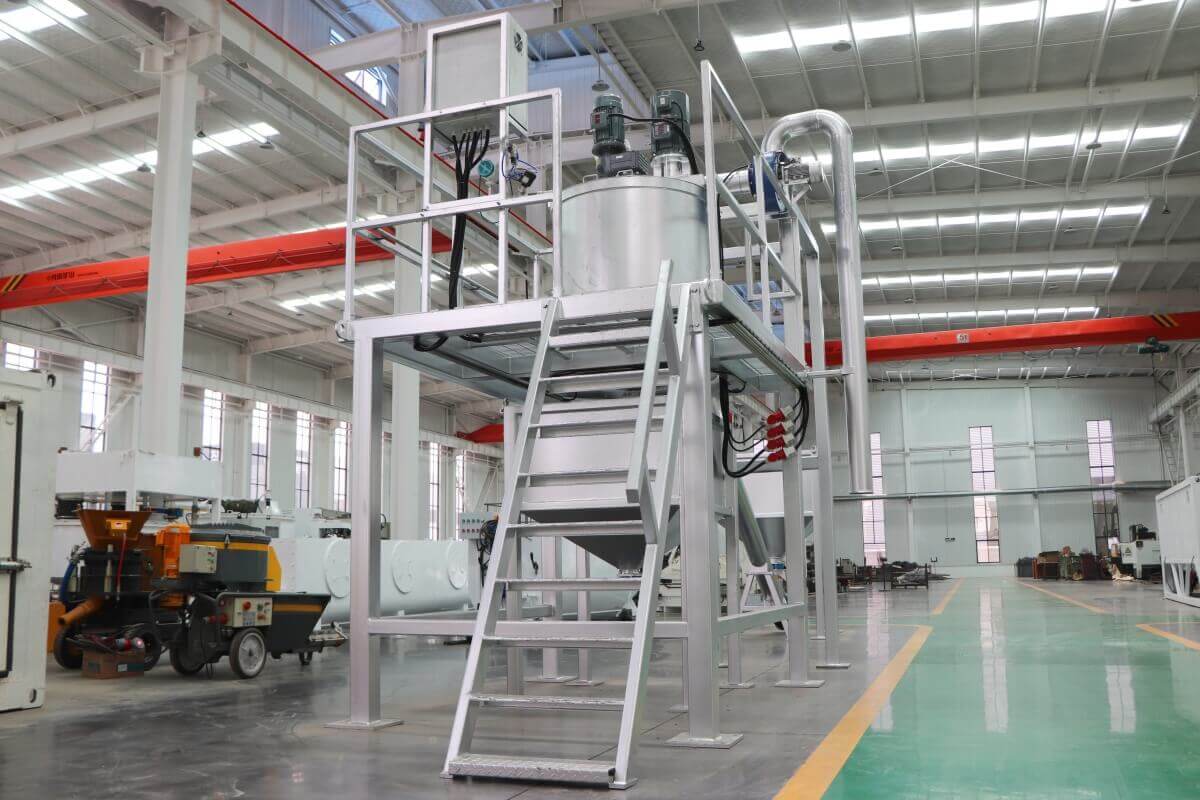
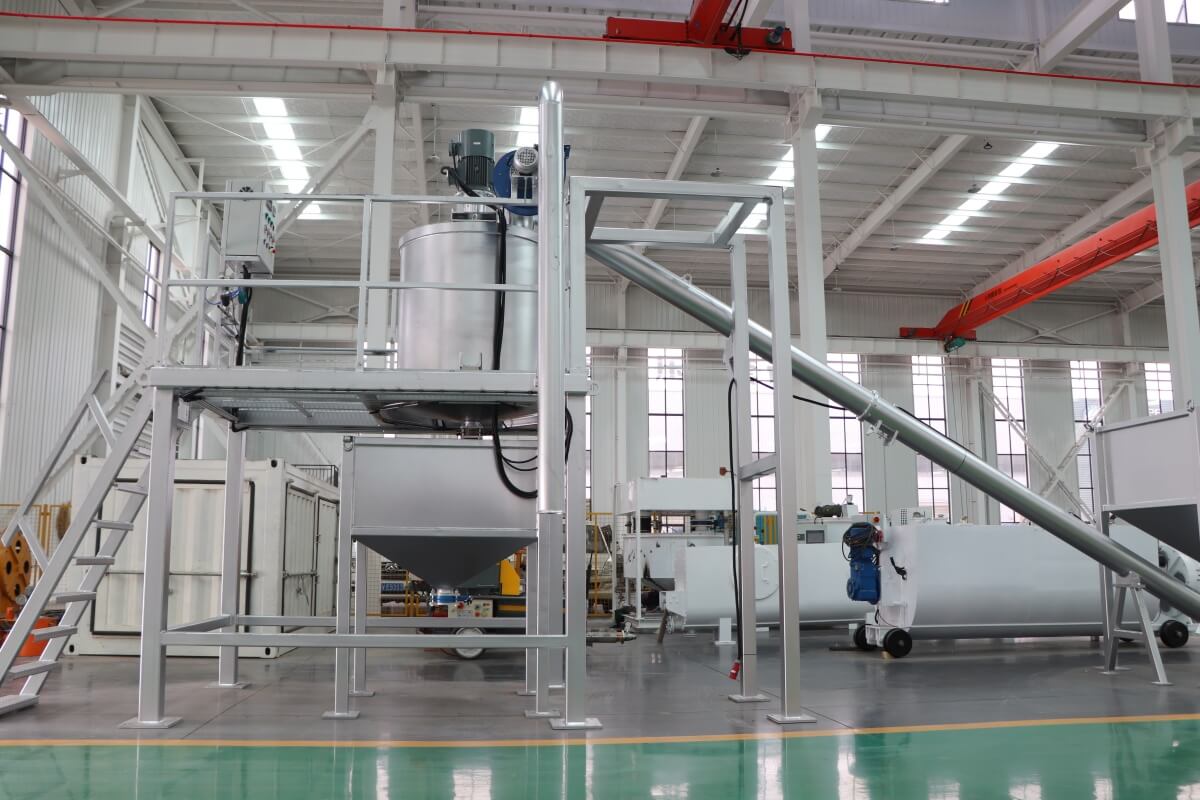
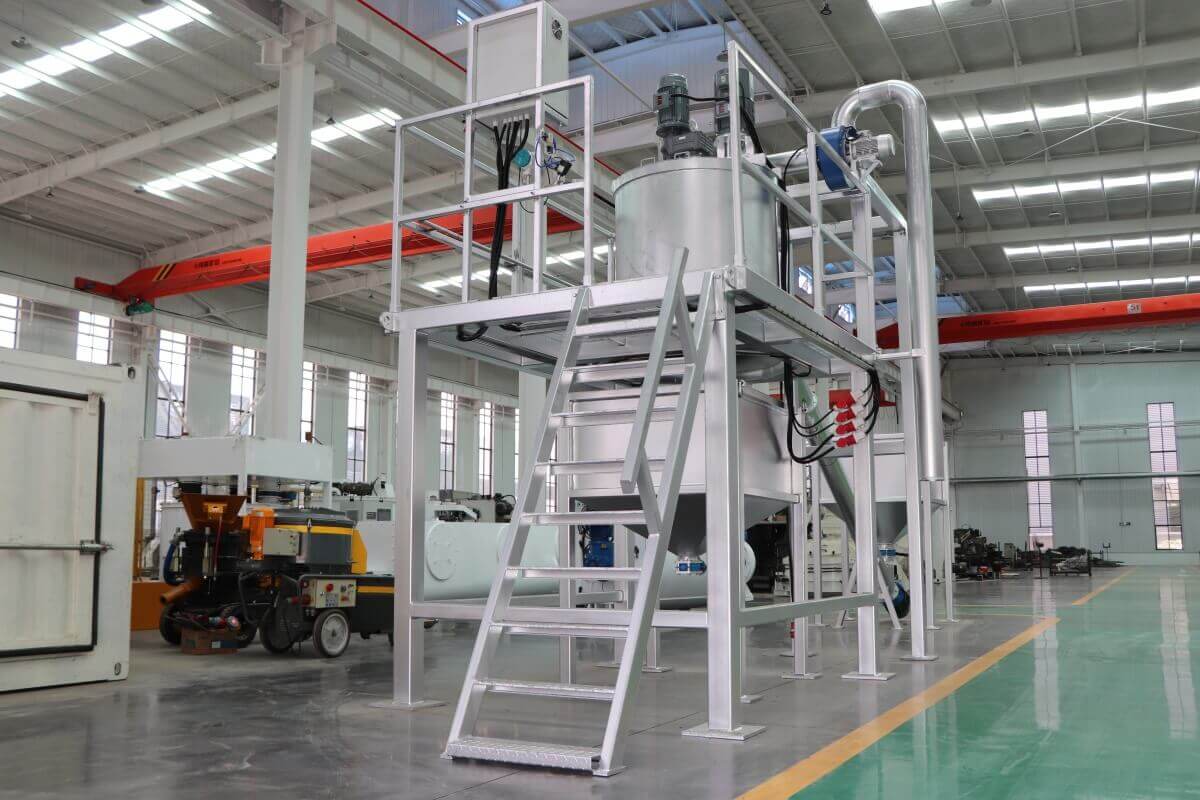
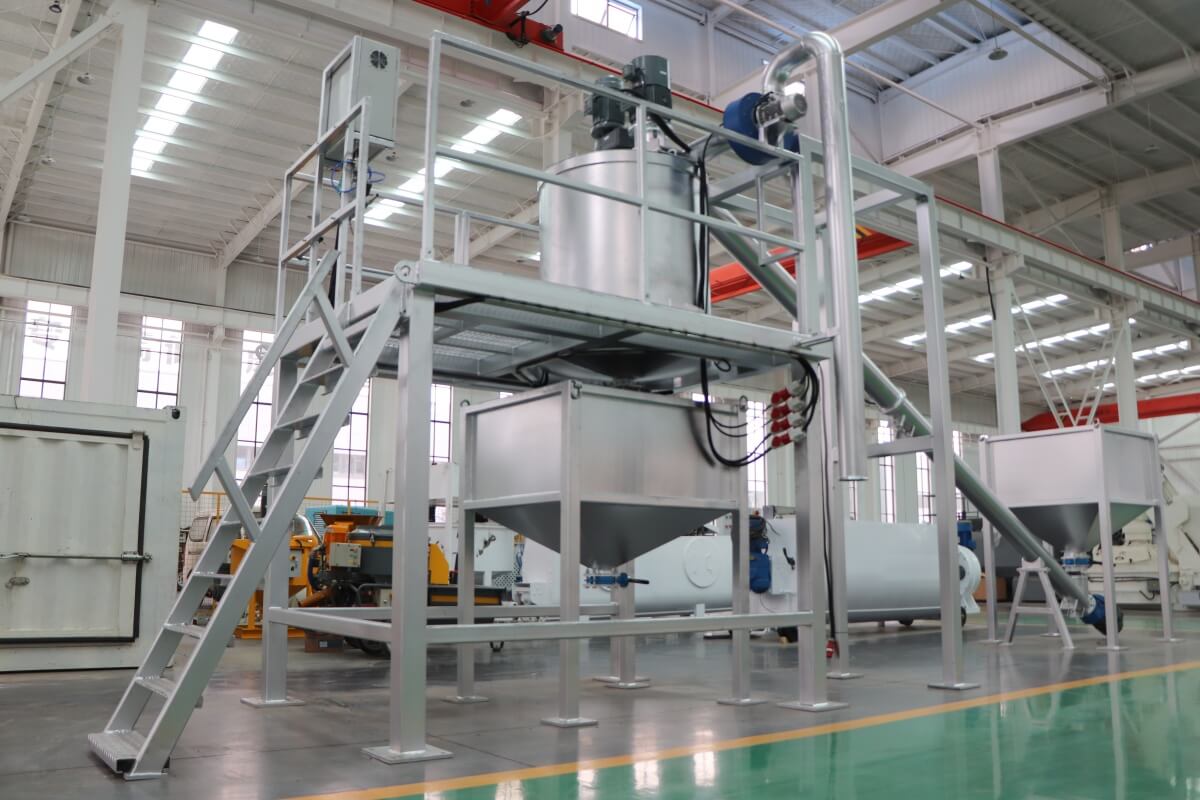
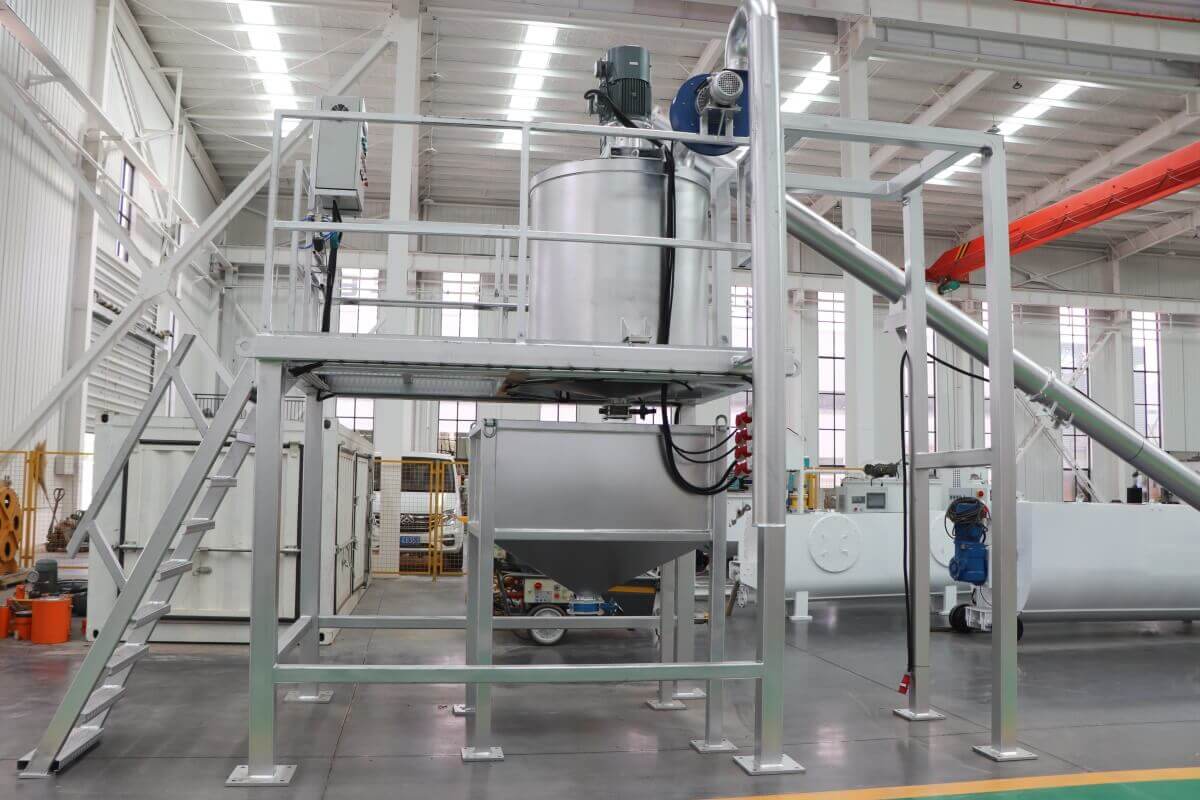
Leadcrete’s published mixer–agitator equipment describes a pump-generated high-speed vortex in the mixing tank, followed by transfer to a separate tank with a slow-speed paddle. This arrangement separates batch preparation from holding.
That separation can allow another batch to be prepared while previously mixed material remains available downstream. However, it does not by itself establish uninterrupted supply: the preparation cycle, usable holding volume and withdrawal rate still need to match.
Where a formulation requires a defined holding period before use, the flow arrangement must also prevent newly prepared material from being withdrawn prematurely.
Do not apply one addition sequence to every cement–bentonite grout
The presence of cement and bentonite does not establish a universal order of addition. Published procedures for different applications use different sequences because they control different material requirements.
Some cement–bentonite slurry trench procedures specify preparing the bentonite suspension before incorporating cement. In contrast, certain borehole instrument grouting instructions specify mixing cement with water first, followed by bentonite.
These procedures should not be interchanged simply because the ingredient names match. The governing sequence must come from the approved grout design, material instructions and application requirements.
For equipment selection, ask where each ingredient will be introduced and whether an intermediate slurry must be stored. A process requiring preprepared bentonite suspension may need a dedicated holding stage and a controlled transfer into the final mixer. A direct batch process may use a different arrangement, subject to formulation verification.
Translate the preparation sequence into a flow arrangement
Once the sequence is established, identify the required material routes: water charging, powder addition, recirculation, transfer to holding and delivery to the next operation.
An arrangement intended only to prepare bentonite suspension may differ from one alternating between suspension and cement-containing grout. Where the process requires cement-free bentonite preparation, shared tanks or lines need a cleaning and routing procedure that prevents unintended carryover.
Valve positions and connection locations should support those routes clearly. The layout also needs access for inspecting and cleaning the mixing chamber, transfer lines and tank outlets.
Review the equipment as a process rather than as a list of components. A mixer, agitator and pump can each be suitable individually while their connections still fail to support the required sequence.
Confirm the downstream duty separately
The pump used to recirculate material through a colloidal mixer is not automatically the pump required for injection or long-distance delivery.
Transfer and injection requirements depend on the prepared slurry, pipeline arrangement, elevation and specified delivery conditions. Mixer discharge capability should therefore remain separate from downstream pump selection.
Any performance demonstration should follow the intended preparation sequence and use representative materials. A trial with bentonite and water alone cannot establish performance for every cement-containing formulation or additive combination.
Discuss your preparation process with Leadcrete
For a Leadcrete enquiry, provide the complete formulation and approved addition sequence, required batch and production rate, intermediate holding requirements, downstream delivery duty and available site utilities.
Contact sales@leadcrete.com to discuss a colloidal bentonite mixer arrangement and request a quotation based on your preparation process.