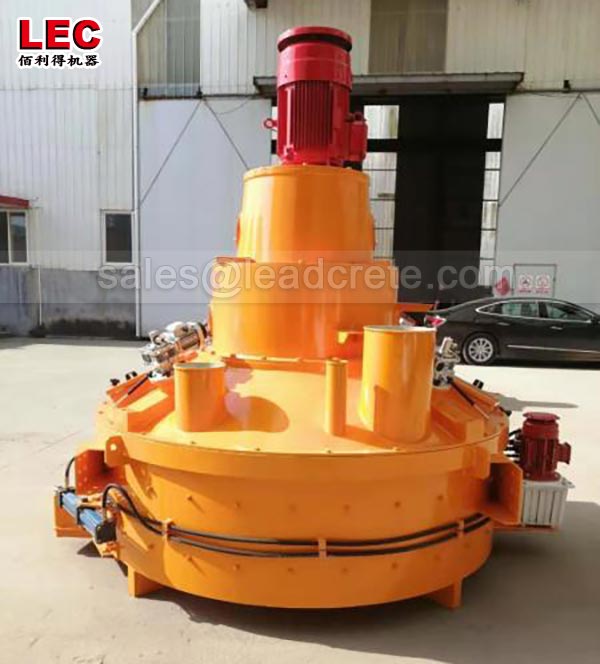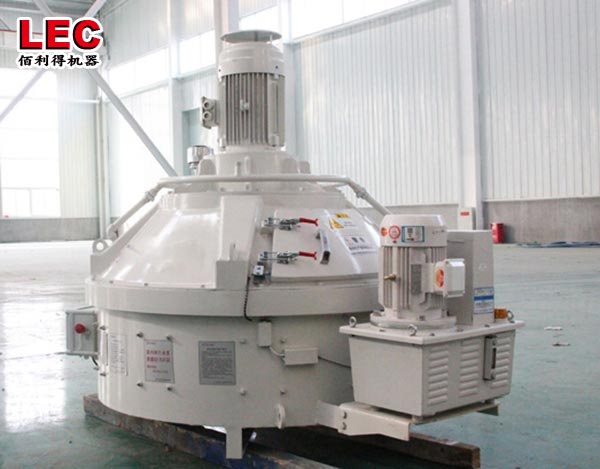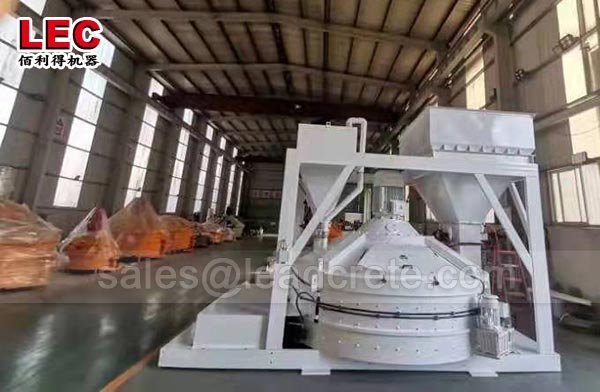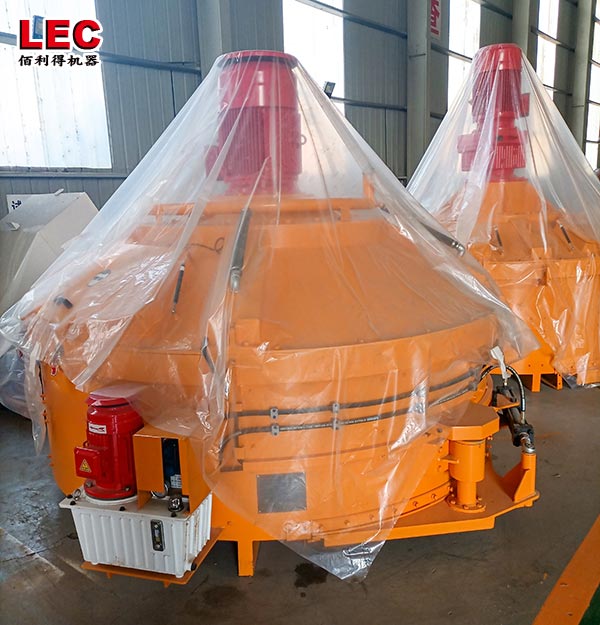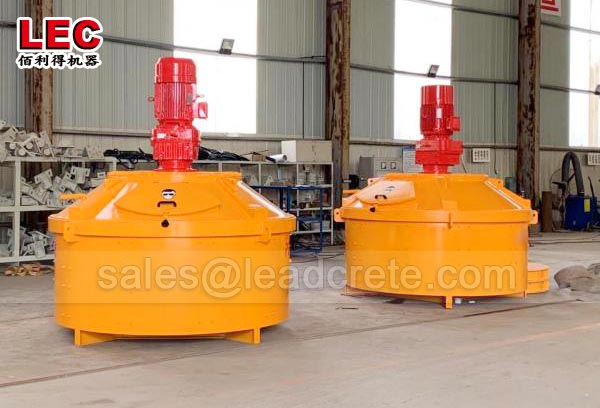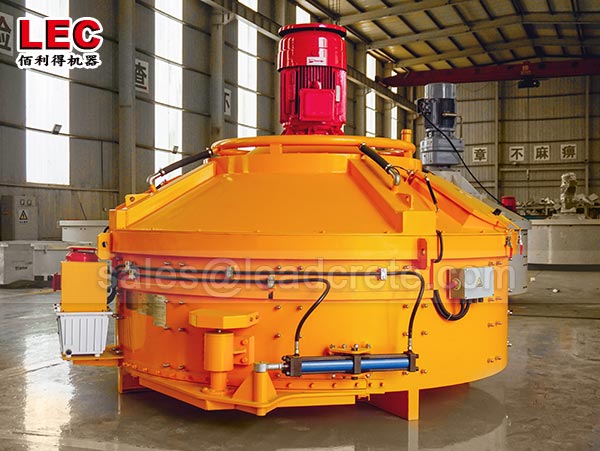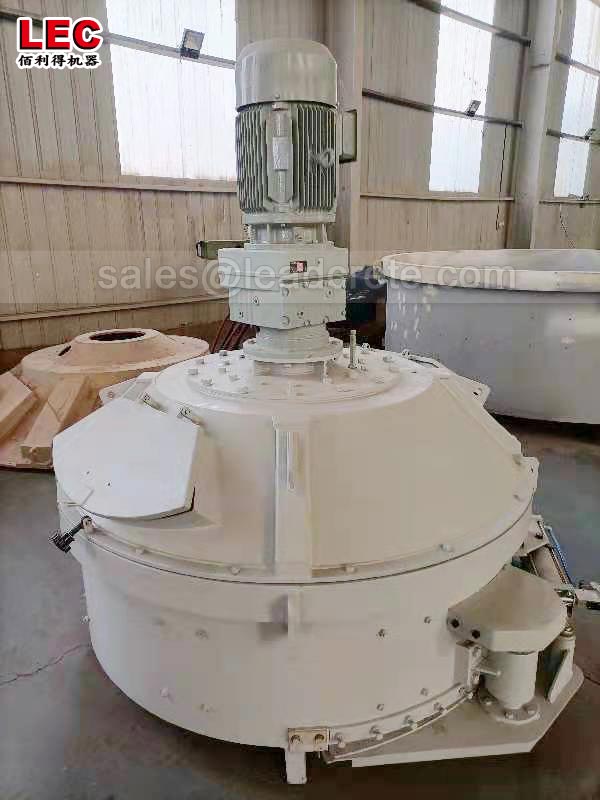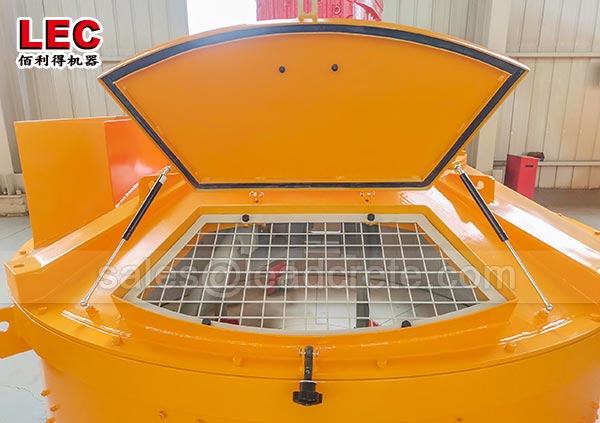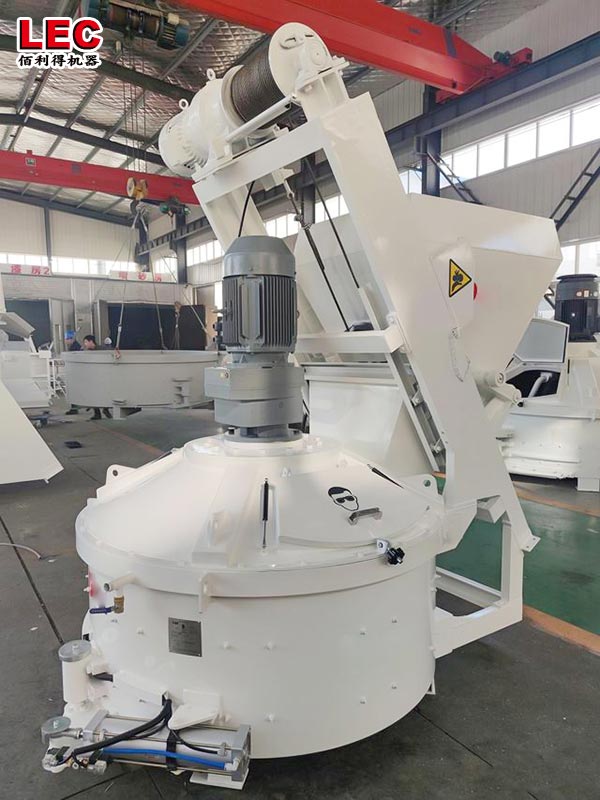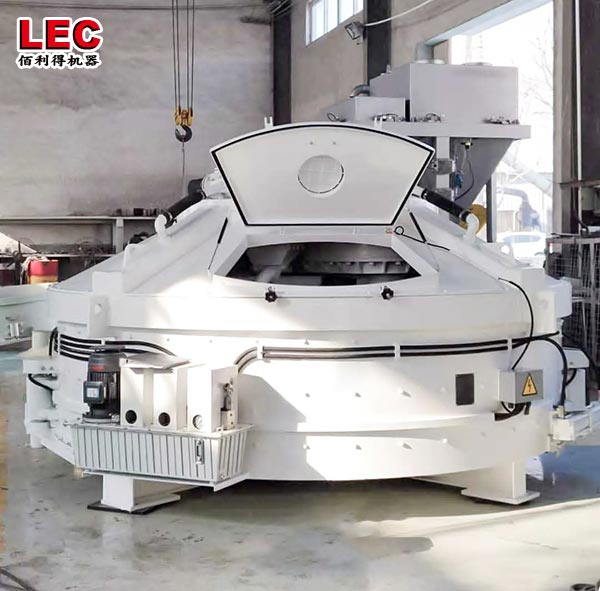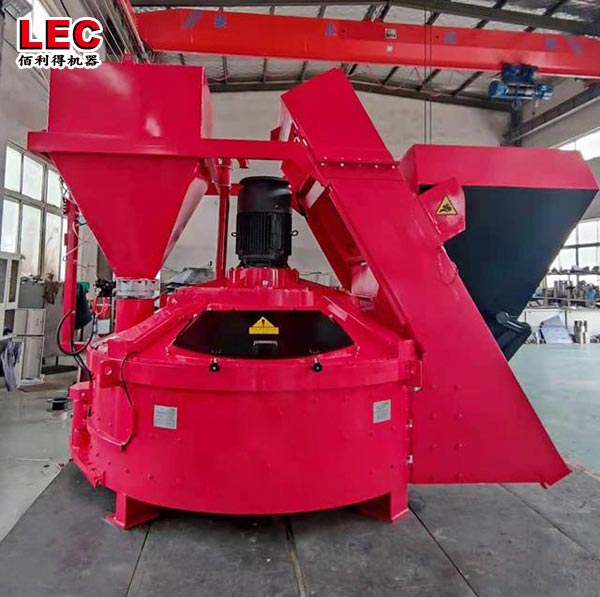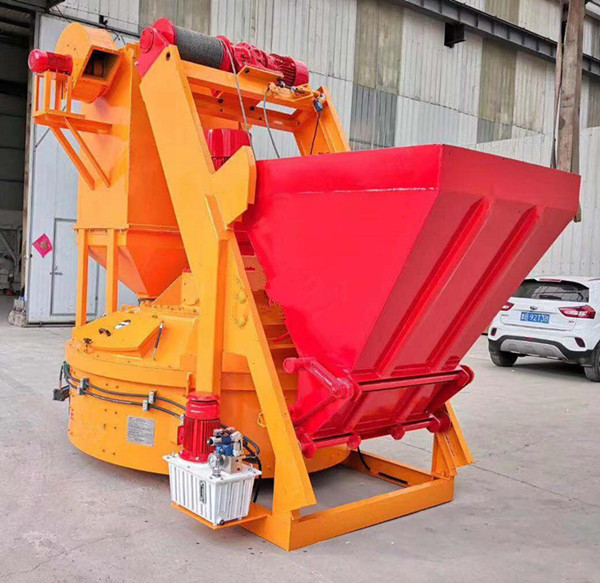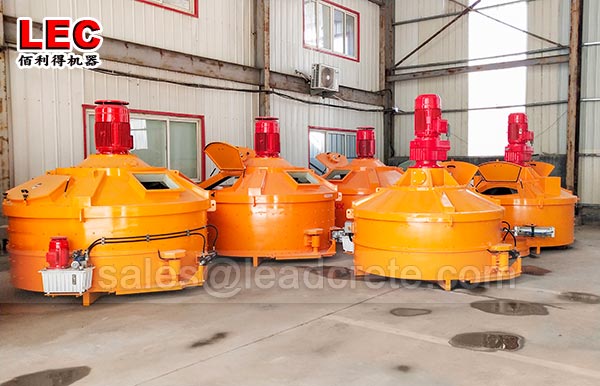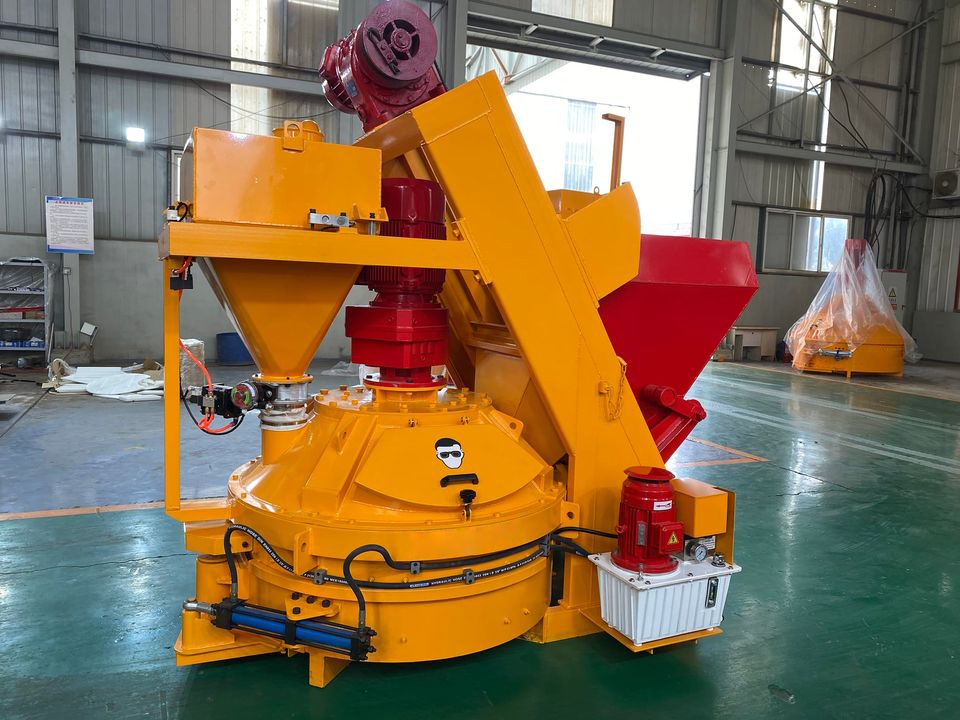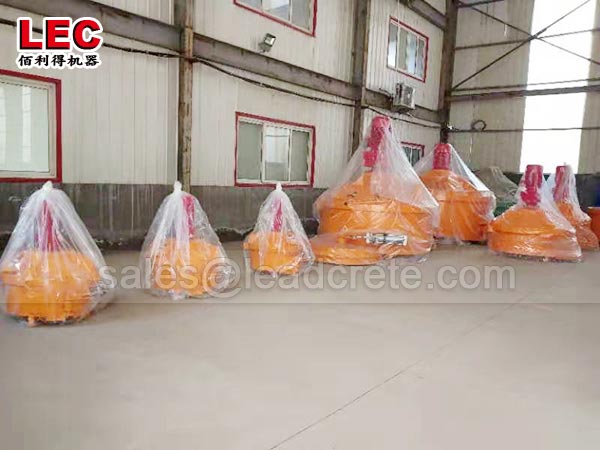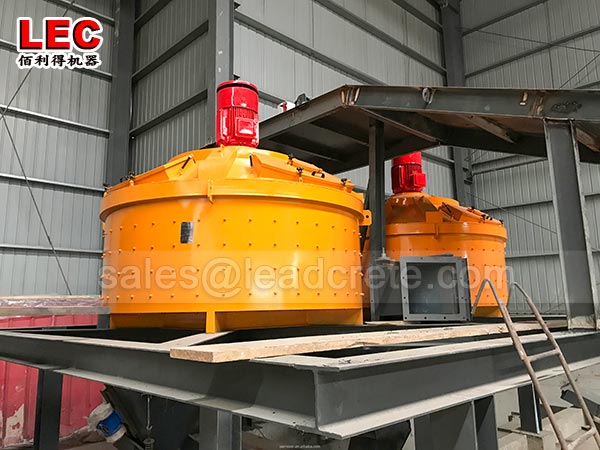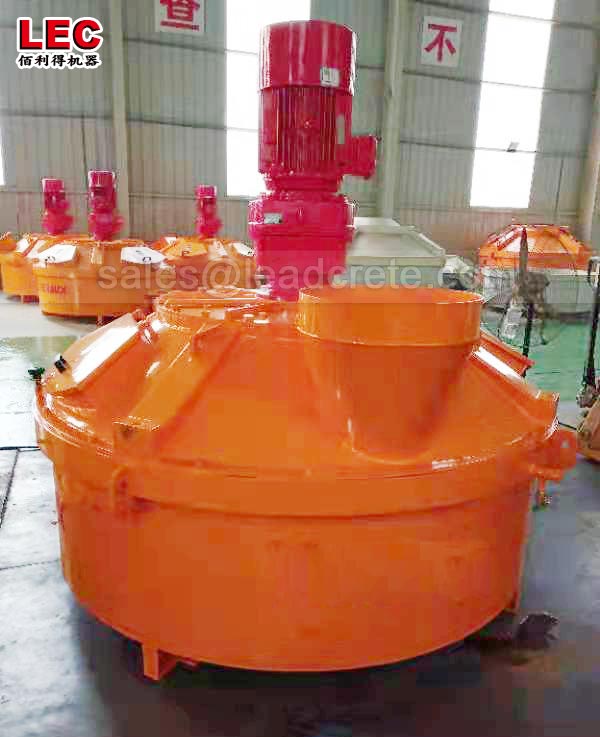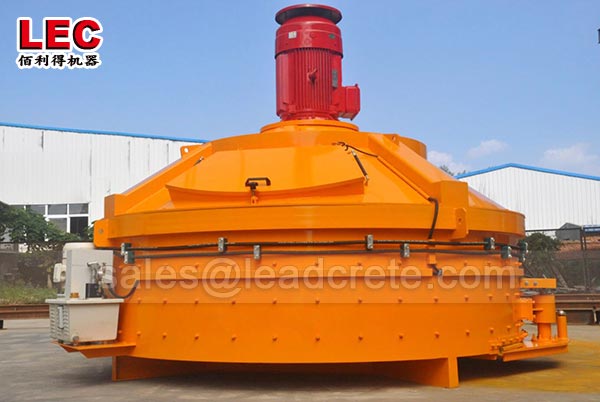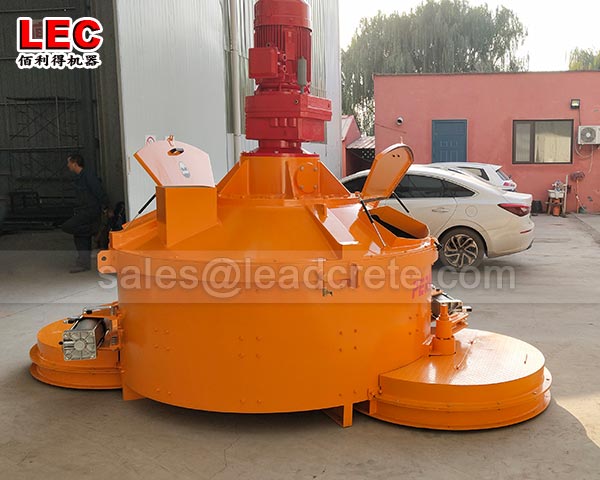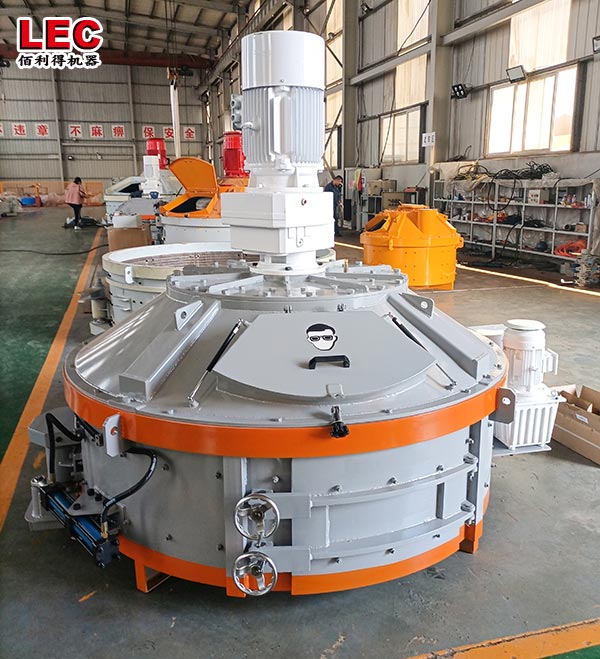
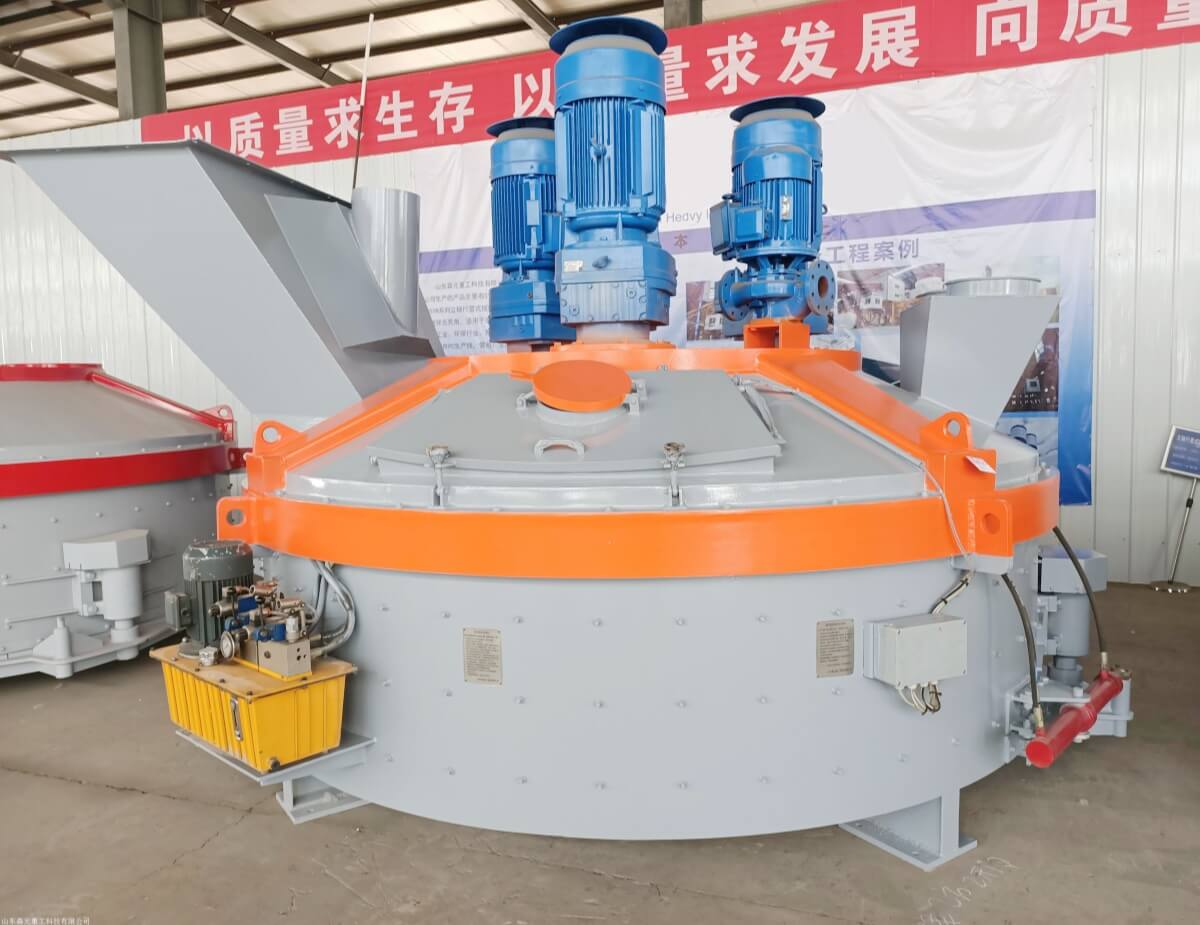
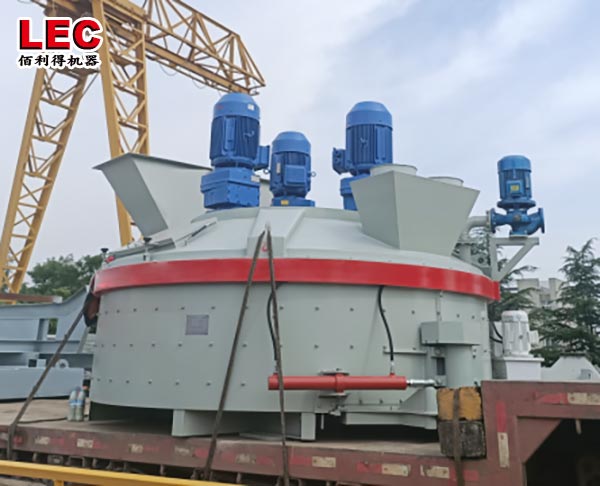
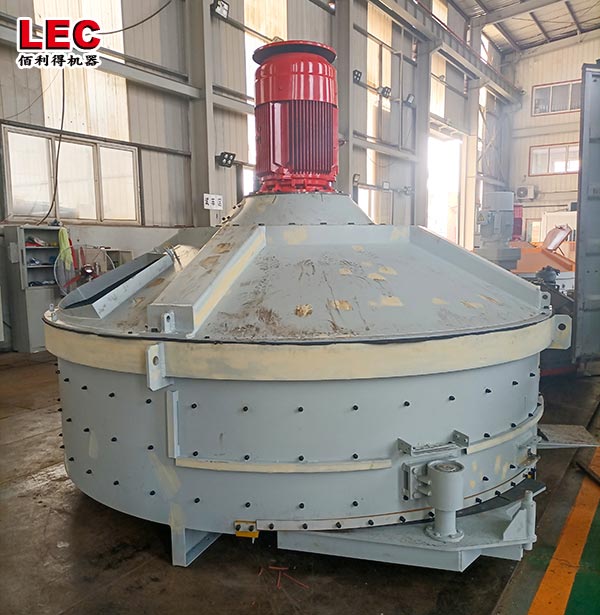
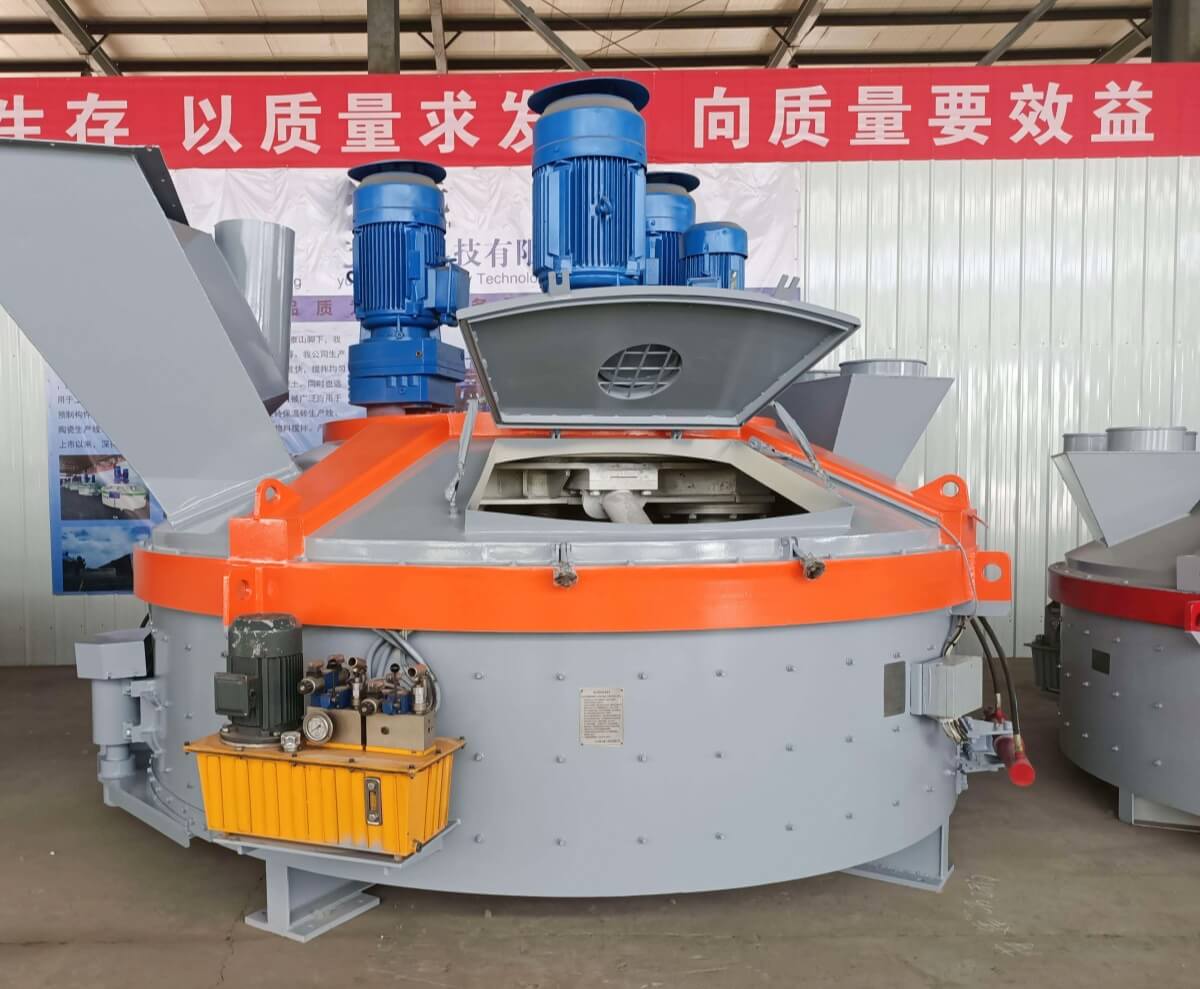
1000L planetary concrete mixer
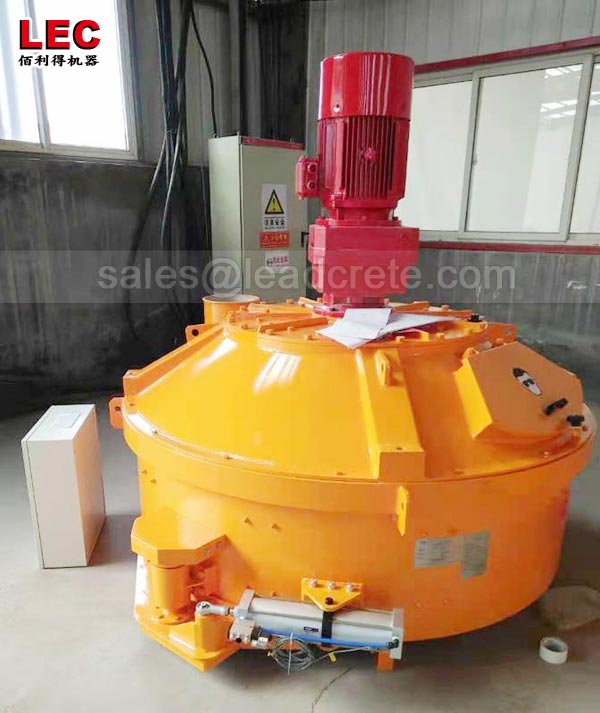
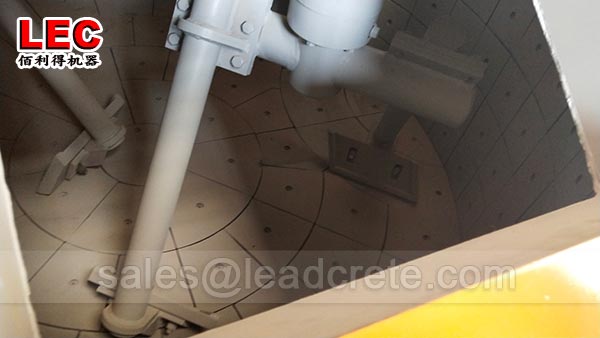
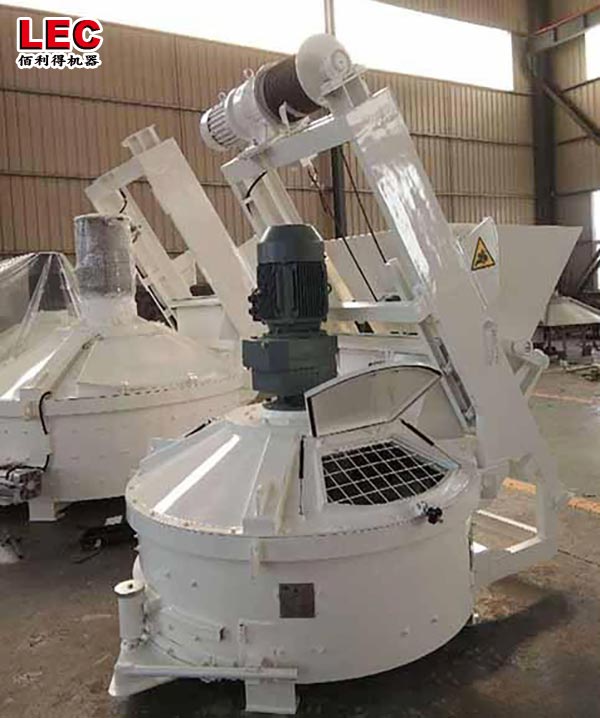
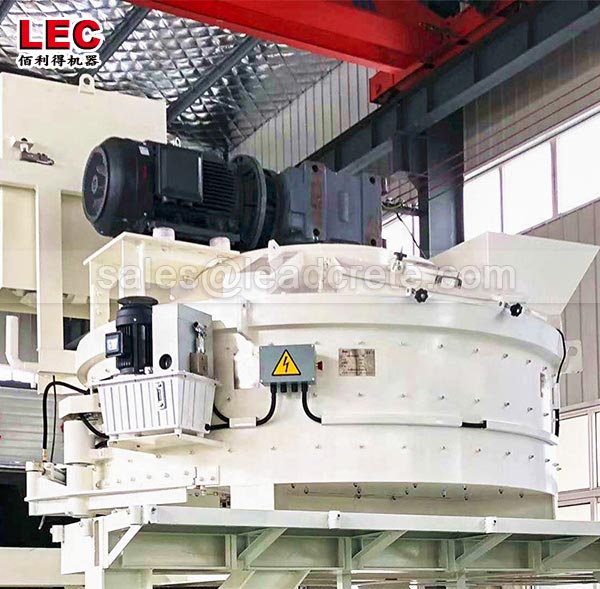
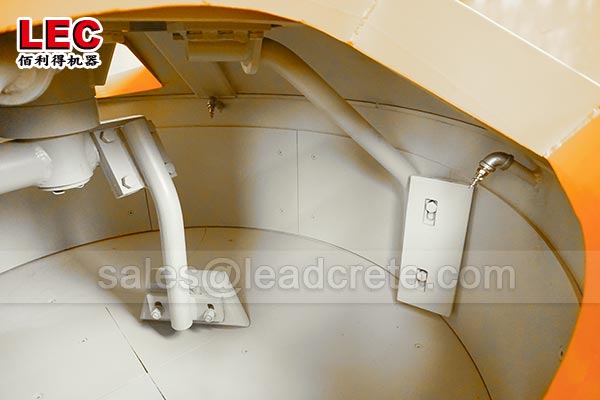
The 1000L planetary concrete mixer achieves seamless mixing of materials in three-dimensional space through the dual motion of the mixing arms’ rotation and revolution. The revolution direction is opposite to the rotation direction, and each mixing element rotates in a different direction, creating complex convection, shearing, and extrusion effects to ensure a mixing uniformity of ≥98%.
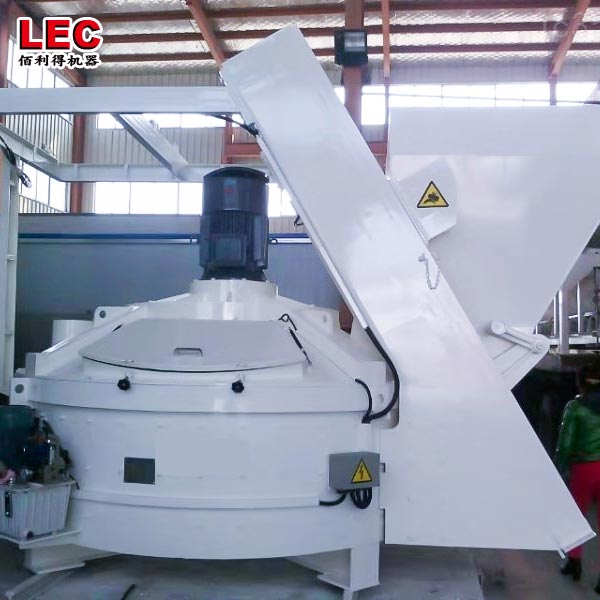
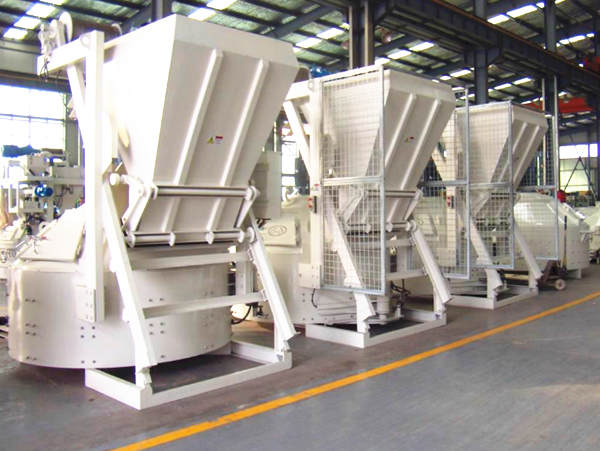
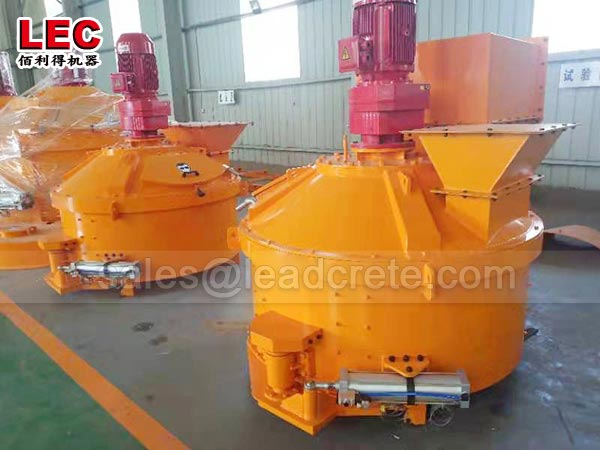
A 1000L planetary concrete mixer is a high-efficiency, precision mixing machine commonly used in precast concrete, high-performance concrete (HPC), self-compacting concrete (SCC), and other applications requiring superior homogeneity, short cycle times, and consistent quality. Unlike traditional drum or twin-shaft mixers, planetary mixers use a unique motion system to achieve intense, uniform mixing—even for complex or stiff mixes.
1000L Planetary Concrete Mixer Structural Advantages:
1. Vertical Shaft Design: The vertical mixing drum reduces floor space, suitable for standardized factory layouts.
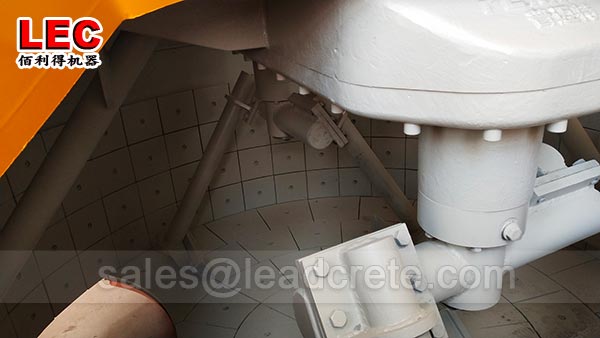
Wear-Resistant Alloy Steel Construction: Utilizes high-strength alloy steel, improving wear resistance by over 50% and extending equipment lifespan.
Sealing System: Upgraded shaft end sealing device completely eliminates slurry leakage, reducing environmental pollution.
2. Power and Transmission
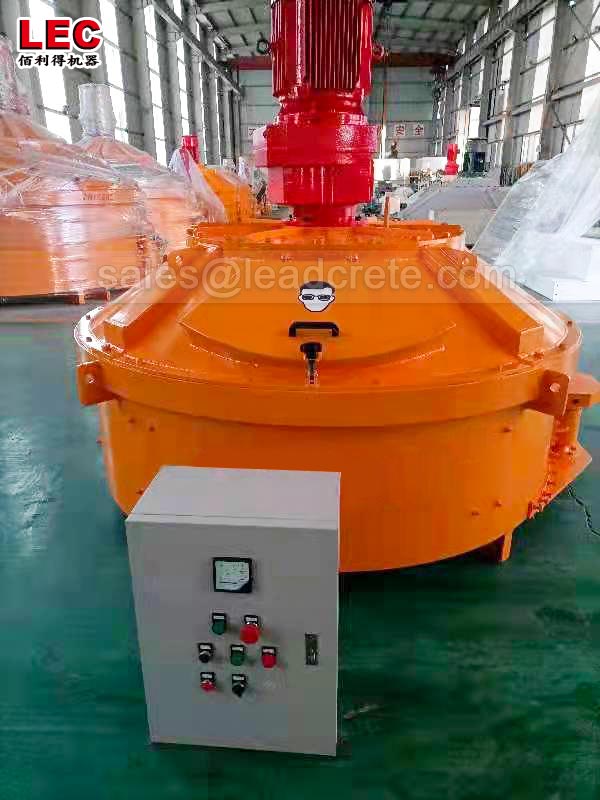
Motor Power: Standard configuration 45KW, some models up to 75KW, suitable for mixing high-viscosity materials.
Reducer: Integrated bidirectional mixing reducer, high transmission efficiency, low noise, and 30% reduction in maintenance costs.
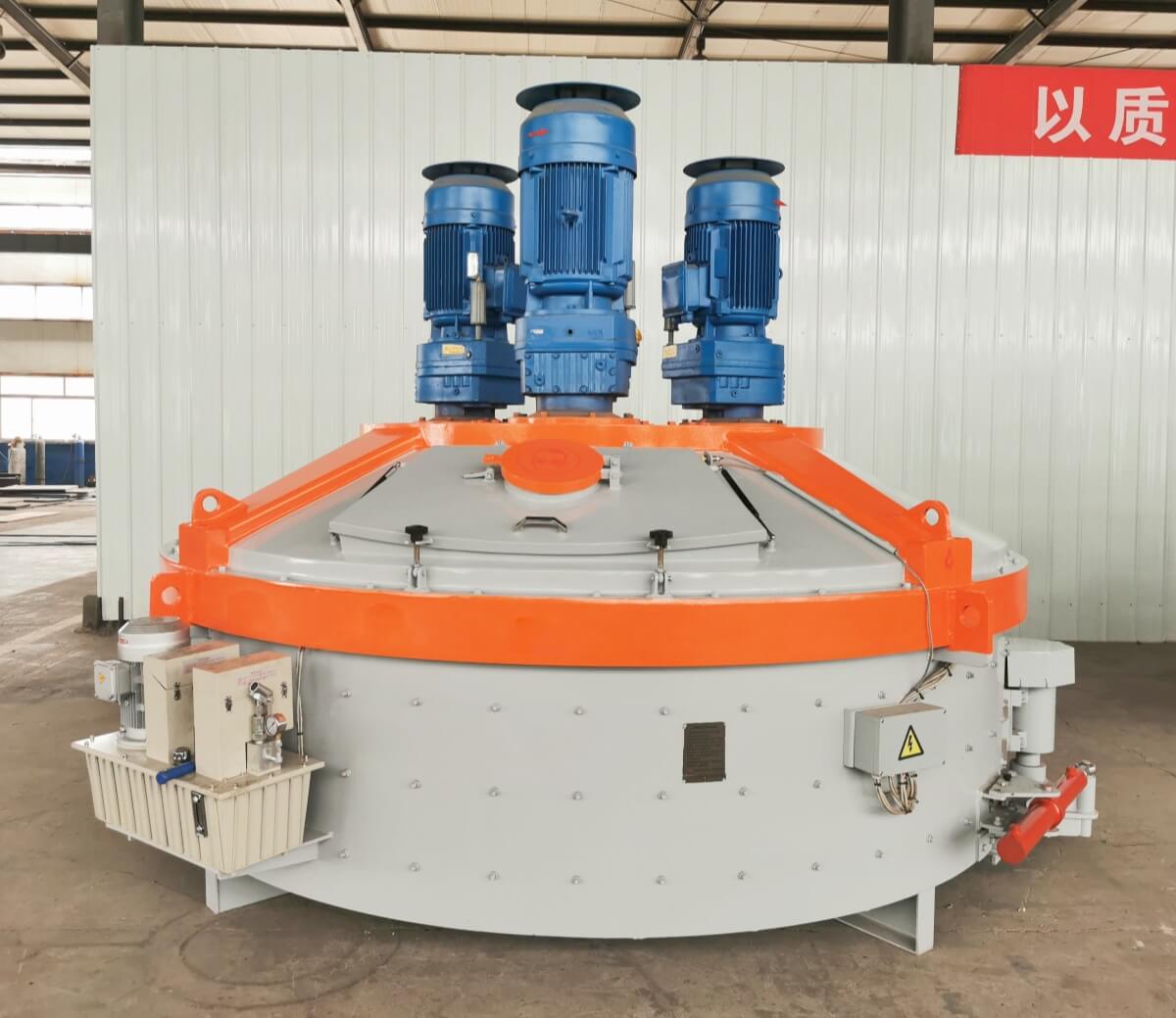
Advantages of the 1000L planetary concrete mixer:
1. High-efficiency mixing: The progressive and dense mixing trajectory increases mixing efficiency by over 30% compared to traditional equipment, making it suitable for large-scale continuous production.
2. Low energy consumption and high reliability: Optimized energy consumption: Motor efficiency is improved by 15%, resulting in significant electricity savings over long-term use.
Low failure rate: A special reducer design extends equipment life and reduces the failure rate by 40%.
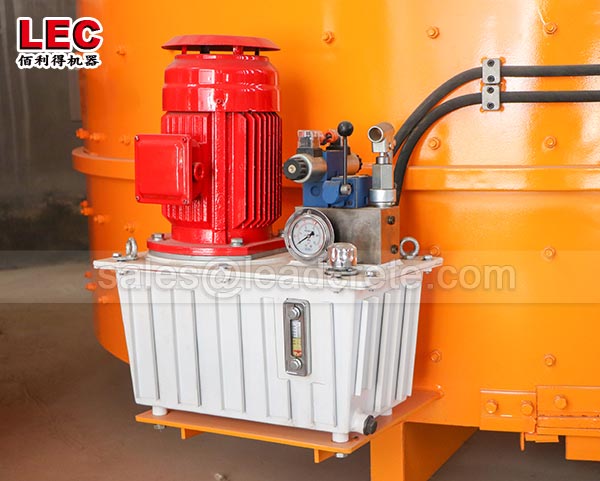
3. Multifunctionality: Customizable: Supports modular designs such as heating (jacketed circulating heating), vacuum, and hydraulic discharge to adapt to different process requirements.
Cross-industry applicability: From refractory materials to chemical raw materials, one machine can be used for multiple purposes, reducing investment costs.
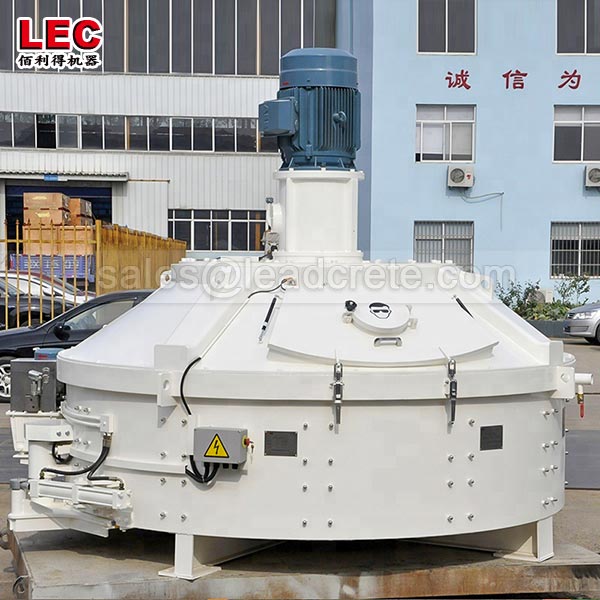
| Feature | Description |
|---|---|
| Capacity | Nominal batch volume: 1000 liters (≈1.0 m³). Working capacity typically 800–950 L, depending on mix design and aggregate size. |
| Mixing Principle | Stationary mixing pan + rotating mixing tools that rotate on their own axis while orbiting the pan center (planetary motion). Ensures no dead zones. |
| Mixing Tools | 2–3 arms with counter-rotating blades or paddles, often made of wear-resistant alloy steel. Blade angle and speed are adjustable for different mix types. |
| Drive System | High-torque electric motor (typically 30–55 kW) with variable frequency drive (VFD) for precise speed control. Some models use hydraulic drives. |
| Mixing Time | Very fast: 60–180 seconds for full homogenization—ideal for SCC, fiber-reinforced, or colored concrete. |
| Discharge | Bottom discharge via hydraulic slide gate or tilting pan (less common). Ensures complete, fast, and residue-free emptying. |
| Construction | Heavy-duty steel frame, abrasion-resistant lining (e.g., Hardox or AR400 plates), sealed bearings, and dust-tight design. |
| Control System | PLC-based automation with touchscreen HMI. Pre-programmable cycles (dry mix, wet mix, kneading), water dosing integration, and fault diagnostics. |
| Dust & Water Management | Integrated dust collector and precision water dosing (±1% accuracy) via load cells or flow meters. |